
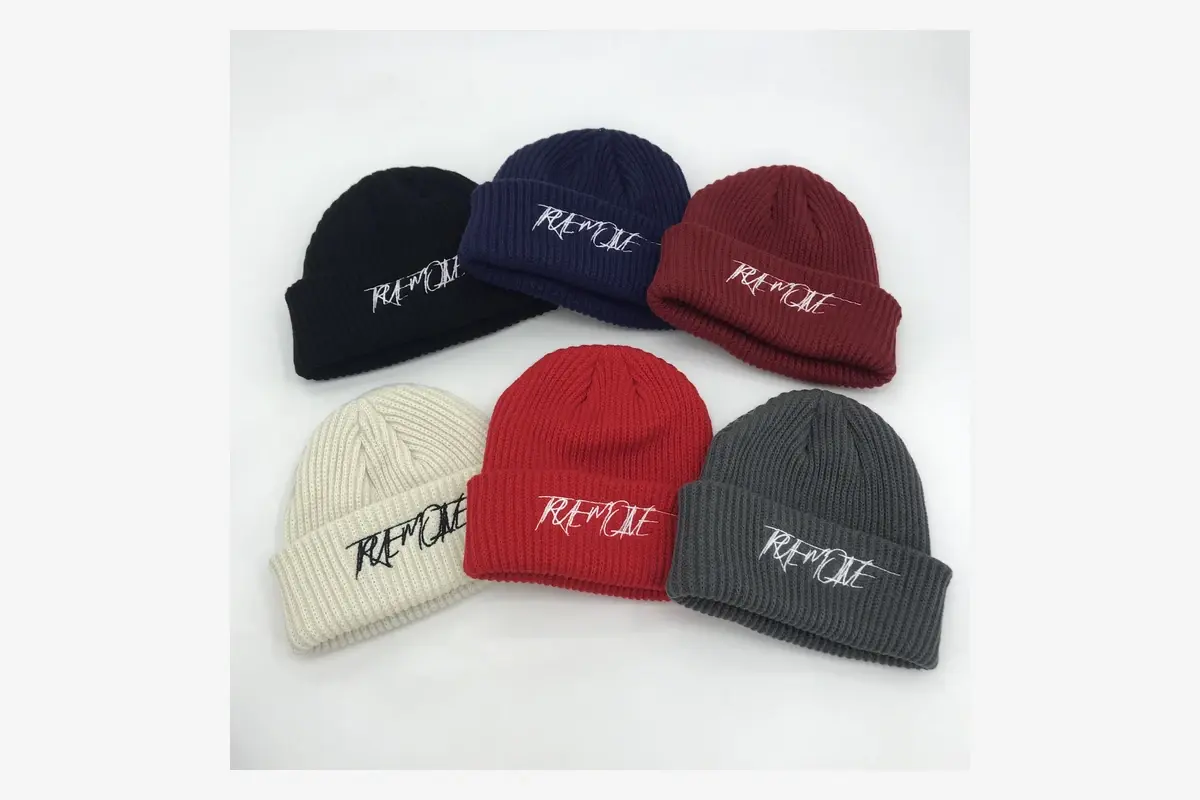
Send your current artwork with the intended logo dimensions and position. The factory can flag file details that need attention before sampling.
Is this a reference image or final artwork?
Send the original vector file when available, with a preview of the intended appearance. If you have only a bitmap or photo, use the clearest version available and point out anything unclear.
Enlarging a small screenshot won't recover missing detail. Tell the factory whether it's a reference or final brand artwork, and approve any redrawing before it changes the logo. Send your available file with those notes when discussing WiseBeanie's embroidery service.
Include finished width and height, with units. A large image in an email may need to fit a small area on the hat. Also state the number of thread colors and provide color references. Screen colors help the conversation, but they aren't physical thread approval. Flag any critical brand color and review the proposed thread on the sample.
Small lettering needs a stitched sample
Assess fine outlines, narrow gaps and small letters at their actual embroidered size. Wilcom's lettering guidance starts by checking whether letter shapes and dimensions suit embroidery.
There's no single minimum line width that works for every beanie, font and thread combination. Ask to see the difficult detail stitched, rather than relying on a universal number.
Prepare the artwork for a size decision
Print the logo at its proposed finished dimensions, or view it at a verified physical scale, before evaluating small lettering. A screen's zoom percentage alone doesn't reliably tell you how large the design will look on a cuff.
Mark the full design boundary and identify any wording that is essential. If a small tagline can be omitted, say that it is optional; if it must remain, ask the factory to review that requirement rather than approving a simplified preview that quietly removes it.
A proposed adjustment should show how the brand artwork changes. Increasing letter spacing, enlarging a word or removing an outline can affect brand appearance as well as production. Have the responsible person review the changed image before it becomes the sampling reference.
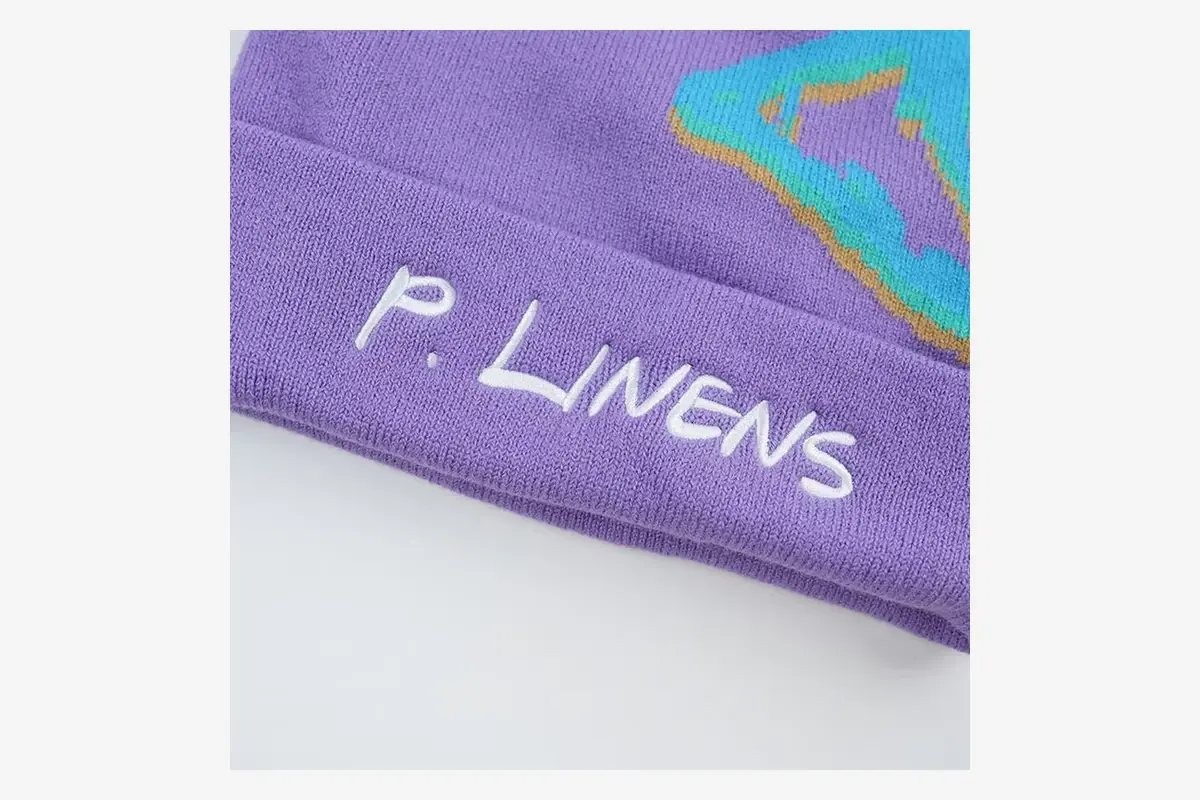
Vector artwork and stitch instructions serve different jobs
A clean vector file describes shapes. Digitizing determines how the design is sewn. Don't assume that supplying a vector eliminates the need to review the stitched result, or that a file previously used on another fabric is automatically ready for this knit.
Wilcom's explanation of embroidery fonts and printing fonts describes why embroidery lettering needs stitch-aware sizing and treatment. Review the lettering in a stitch sample at its intended size.
If you already have a stitch file, identify the product it was used on and ask whether it is suitable for the proposed beanie. Review a new stitch sample if the construction or material changes.
Write useful feedback on a stitch sample
Photograph the whole logo and the specific issue. Say whether the concern is missing detail, closed spaces, altered proportions, puckering, position or inside comfort. “Sharper” gives less direction than identifying the exact letter or gap that cannot be read.
For example: “The small word below the emblem is not readable at the intended size. Please show the proposed artwork change before making another sample. Keep the main emblem's proportions unchanged.” Adapt the comment to the detail you need corrected.
Review the correction at the same size and on the same construction. If the factory also changes the yarn or knit, the comparison includes a material change and may need a broader review.
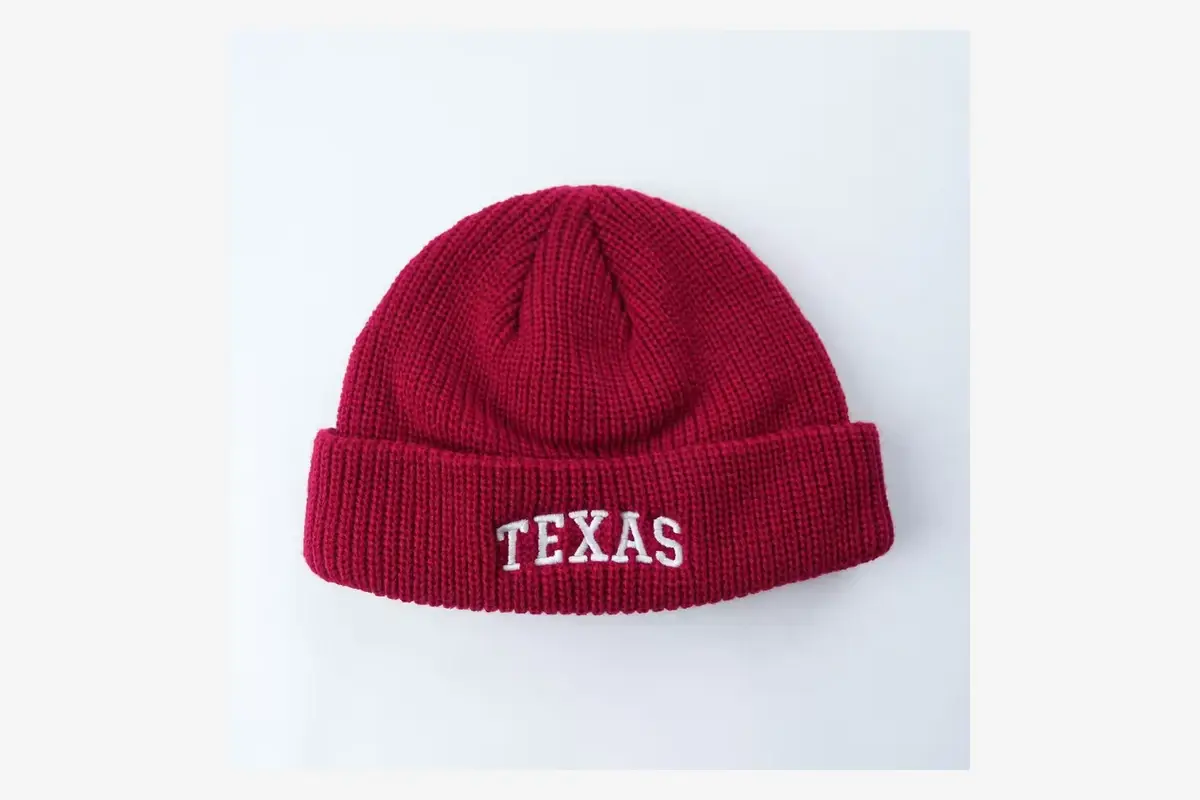
Show the cuff as it will be worn
Mark the front centerline, cuff edge and logo position. State whether the cuff is folded and show the readable direction. Add a side view if the placement extends toward a seam.
On the sample, check:
- Lettering and small spaces from normal viewing distance.
- Shape and proportions against the approved artwork.
- Puckering or unwanted stiffness around the stitches.
- Backing and thread ends against the inside wearing surface.
- Position with the cuff folded and the hat worn as intended.
Keep the approved artwork revision, dimensions and sample reference together. If the yarn or knit changes later, ask whether the stitch treatment needs another sample review. The same artwork file doesn't guarantee the same result on a different surface.
Related Guides and Factory Options
- Where Should a Logo Go on a Cuffed Beanie?
- Review custom production options
- How Sampling and Production Work
Send your current logo file and the size and position you have in mind. Mark reference images clearly so we can review the intended embroidery.
Send Your Logo for Review