Custom Beanie Size and Fit
Our factory develops adult, kids, baby and plus-size beanies from measurements, drawings or a physical reference. Check the fit on the finished sample before production.
Start With the Wearer and the Shape
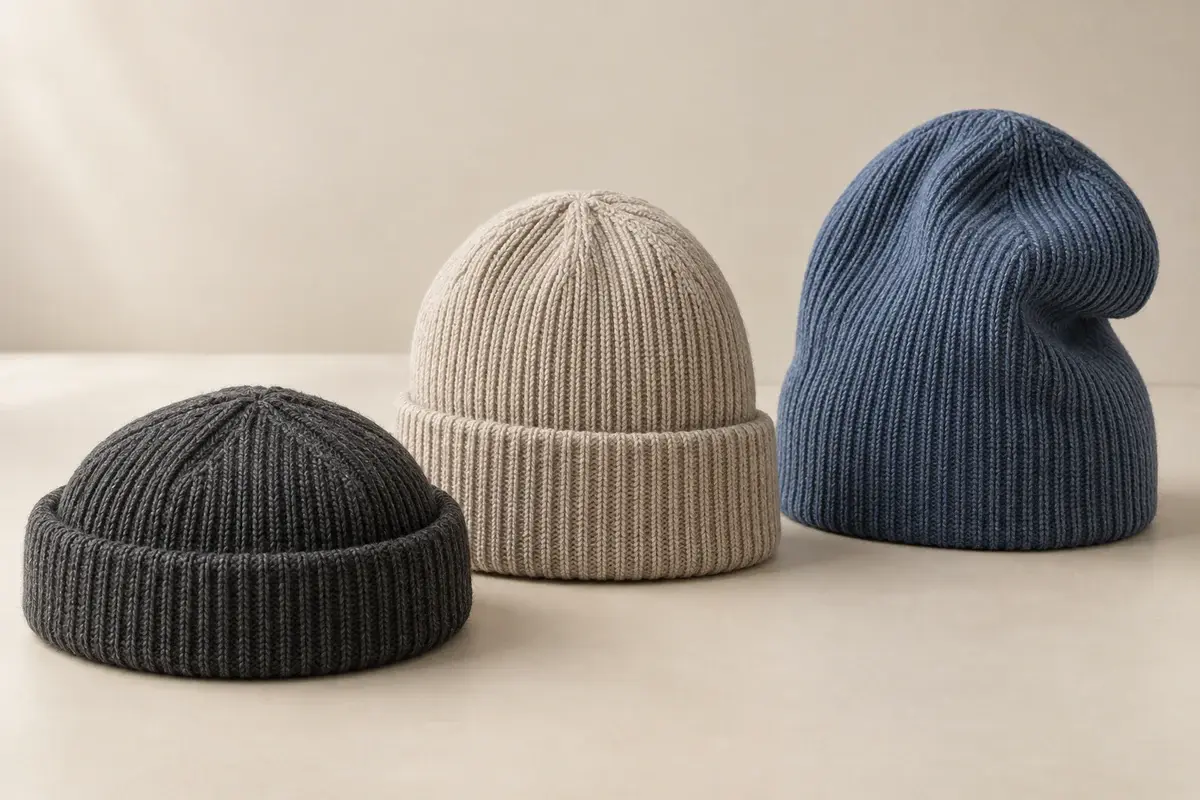
A size name alone does not define how a beanie fits. Yarn, knit structure, stretch, crown depth and the lower edge affect how it sits. A reference sample helps show the shape you want.
- Beanie styles: Cuffed, pom pom, fisherman, slouchy, cuffless and Christmas beanies.
- Orders: Retail ranges, private-label orders, team programs and promotional products that require a defined wearer group and fit.
- Before sampling: Use finished measurements, a drawing or an approved physical reference. Do not rely on the size name alone.
The Measurements Behind the Fit
Agree on finished dimensions and measuring points for the selected yarn and construction.
Wearer and Wearing Position
Define the wearer group and wearing position before setting the dimensions.
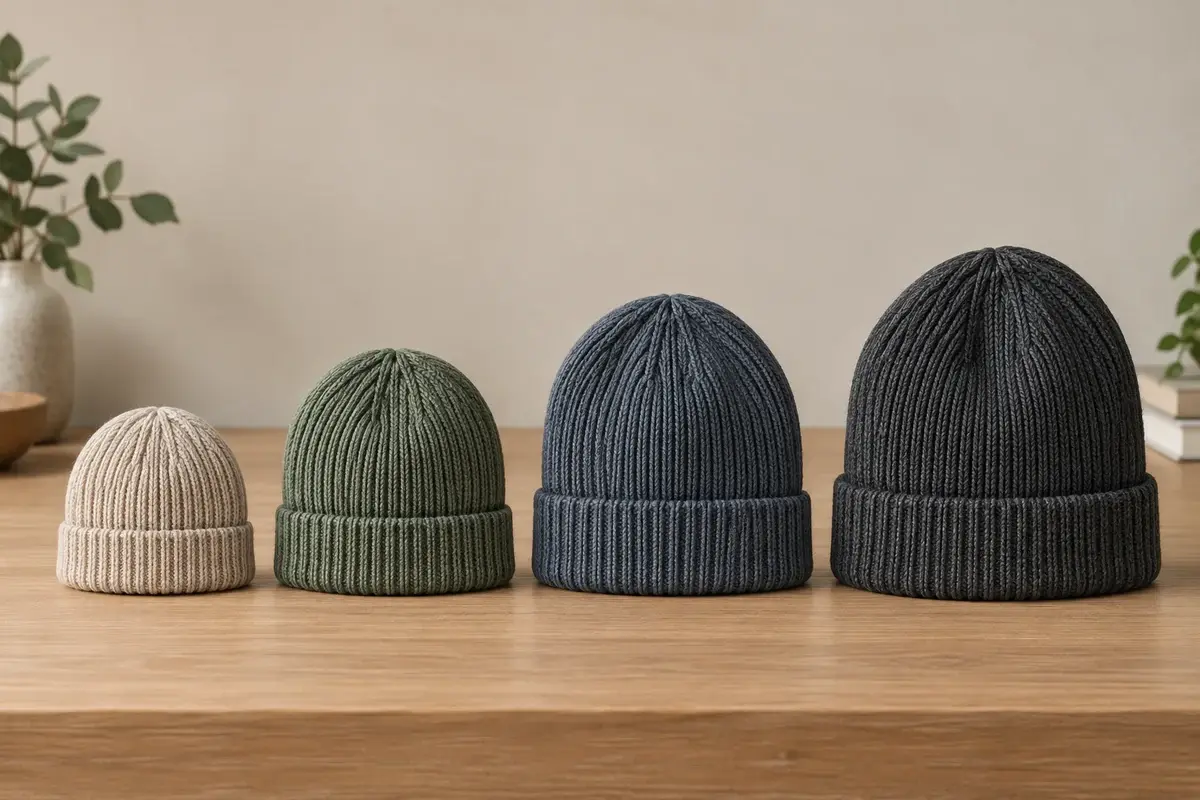
- Choose an adult, kids, baby or plus-size direction.
- State whether the target shape is close, regular, short fisherman or slouchy.
- Provide an approved sample or clear fit reference when possible.
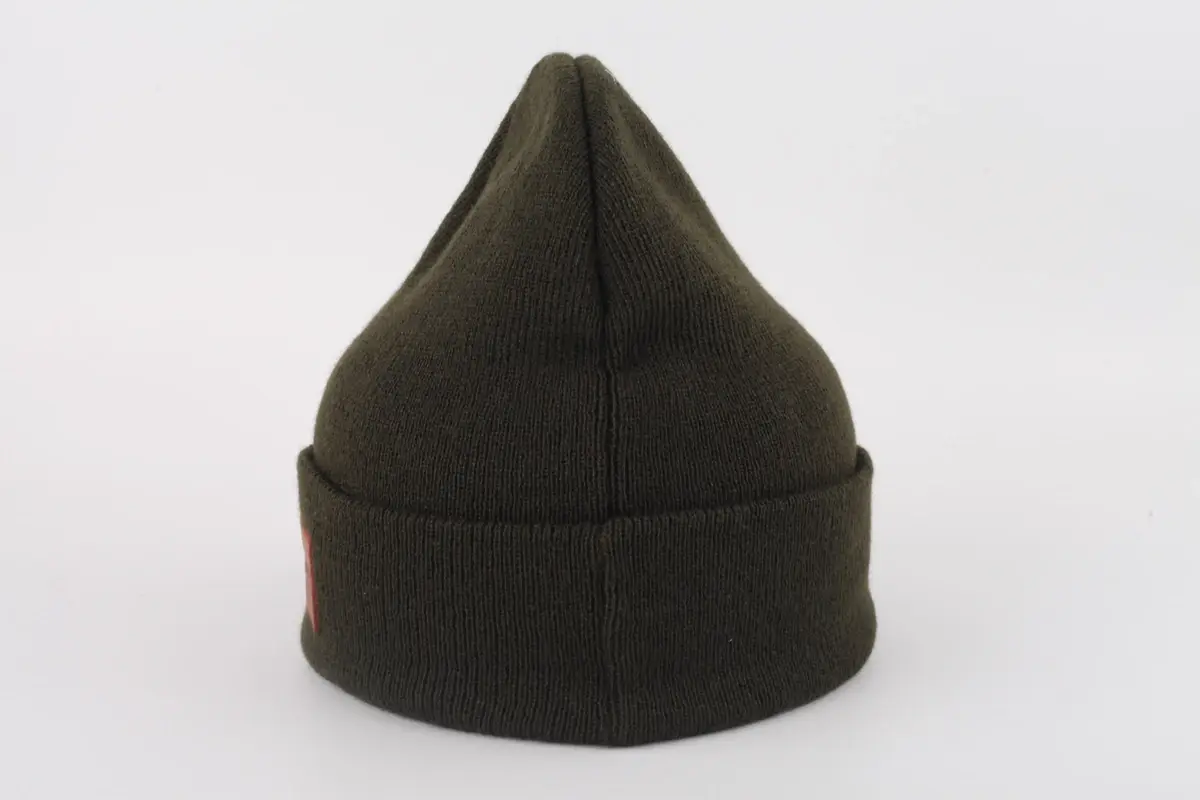
Crown Height and Opening Width
Record finished flat dimensions at clear measuring points. Review opening width with the stretch of the chosen knit.
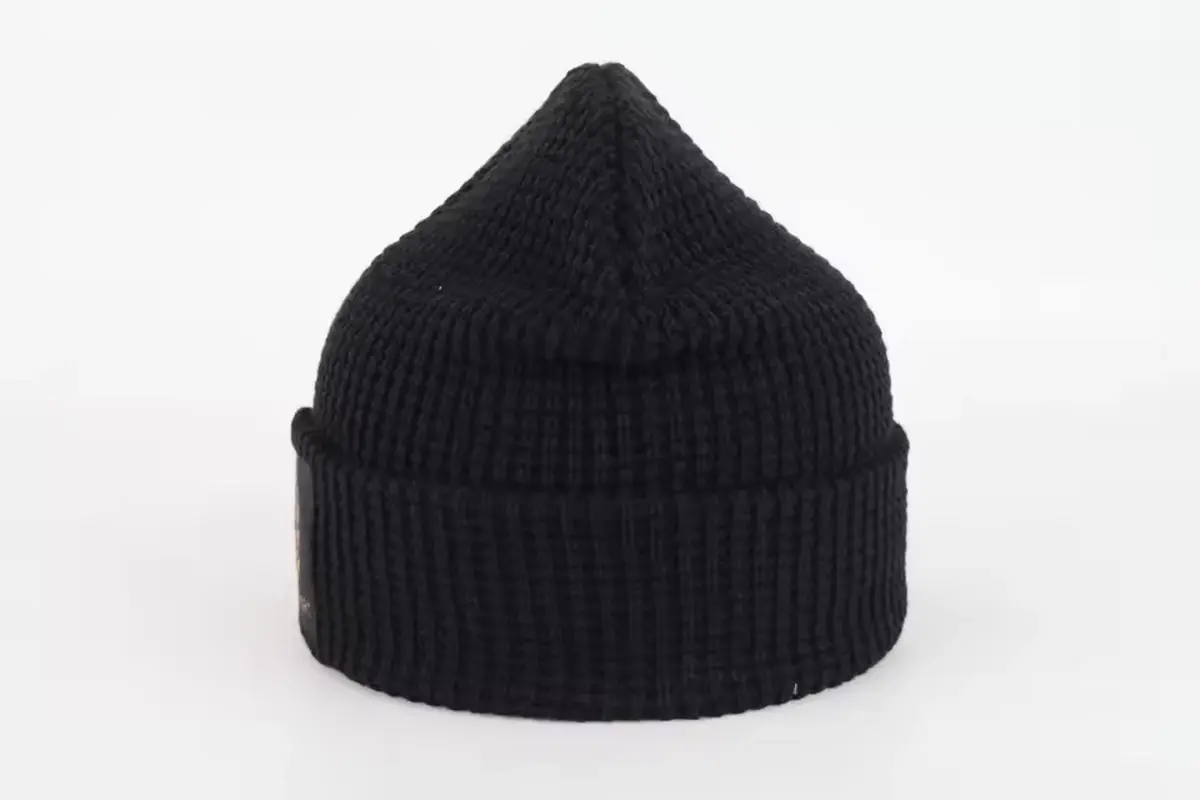
- Crown height controls the overall depth and available room above the opening.
- Flat opening width must be reviewed with the material and knit stretch.
- Use the same measurement points for the sample, specification and bulk inspection.
Cuff, Lower Edge and Slouch
Folded cuff height, a short fisherman profile and a longer slouchy crown each need their own measurements and wearing reference.
- For cuffed styles, approve the visible cuff height after folding.
- For fisherman styles, check the short profile and intended wearing position.
- For slouchy styles, define the extra crown length and visible rear drop.
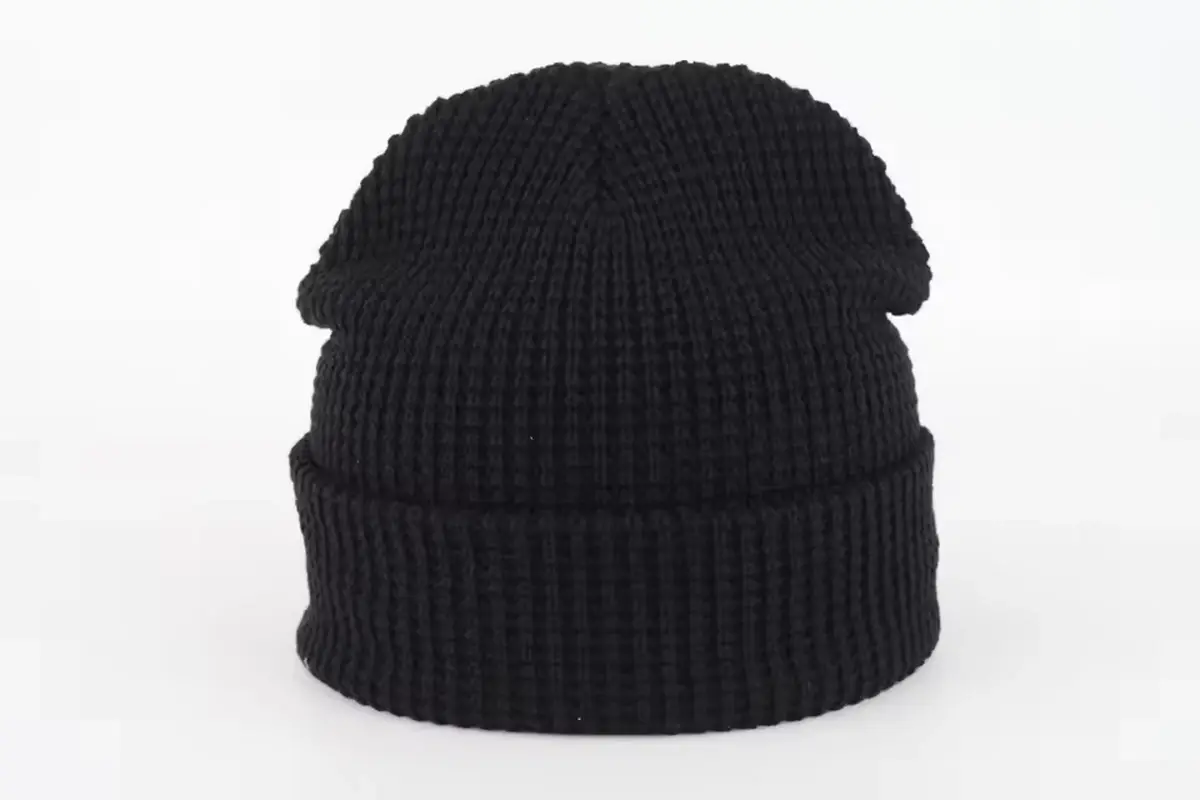
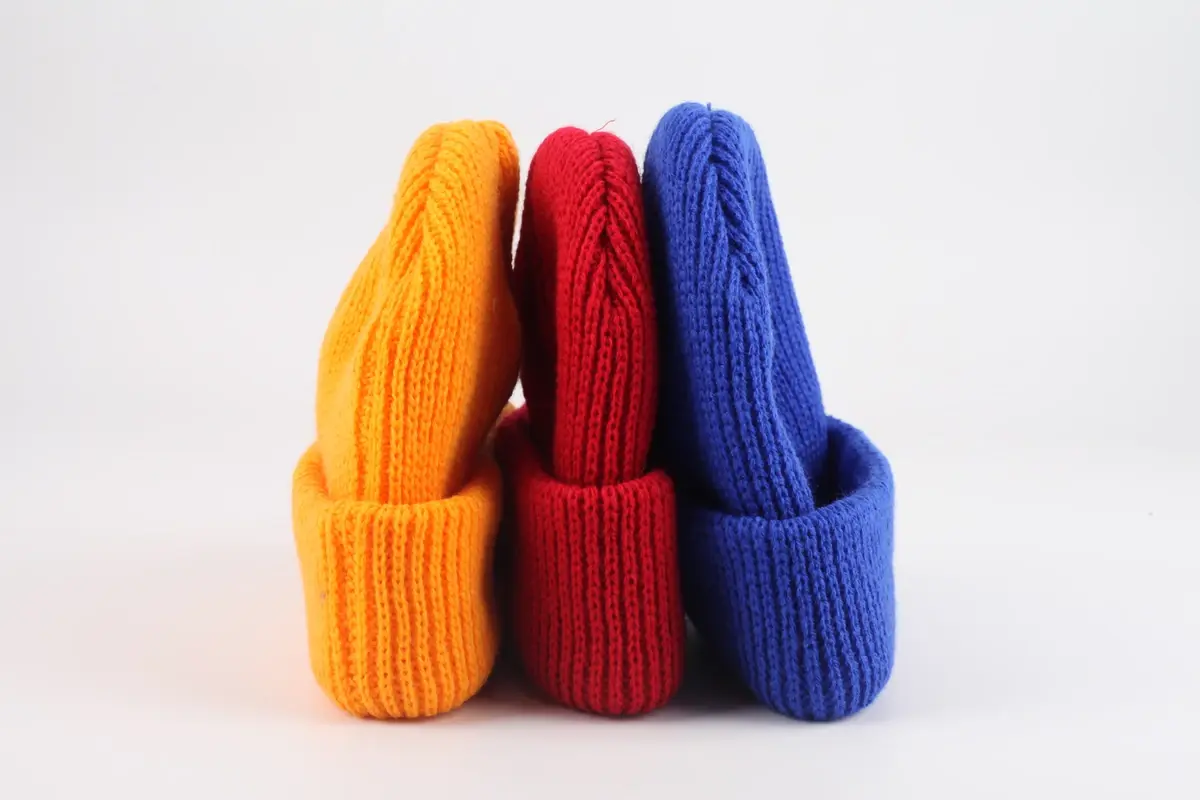
Yarn, Layers and Stretch
Yarn, stitch density or lining can change the fit even when flat measurements stay the same. Check the complete construction before approving the size.
- Confirm the selected material and knit structure before final size approval.
- Check stretch, recovery, edge shape and comfort on the physical sample.
- Approve the size with the logo, labels, lining, pom pom and any other attached parts.
Develop and Check the Fit
Record each measuring point so the sample and bulk order can be checked consistently.
Share a Fit Reference
A photo, drawing, measurement sheet or physical beanie can show your starting point. Tell us the wearer group and desired fit; add yarn, quantity and branding details if known.
Try and Measure the Sample
Check the shape, stretch, recovery, cuff, edge and comfort with all logos, labels and attached parts in place. Standard samples normally take 5–7 days; a 3-day rush option costs extra.
Approve the Finished Measurements
Record the agreed measuring points and final dimensions with the approved physical sample. These become the reference for production and inspection.
Have a Beanie Fit You Want to Match?
Send a photo, measurements or a sample. Tell us who will wear it and what you would change about the fit.
Discuss Size and FitBeanie Size and Fit Questions
What to measure and how to confirm the finished shape.