Custom Wool Beanies
Custom wool and wool-blend beanies developed for your range. Work directly with our factory on fibre content, hand feel, knit texture, fit and private-label details.
Wool Content Confirmed for Each Project · 50 pcs per Style and Color
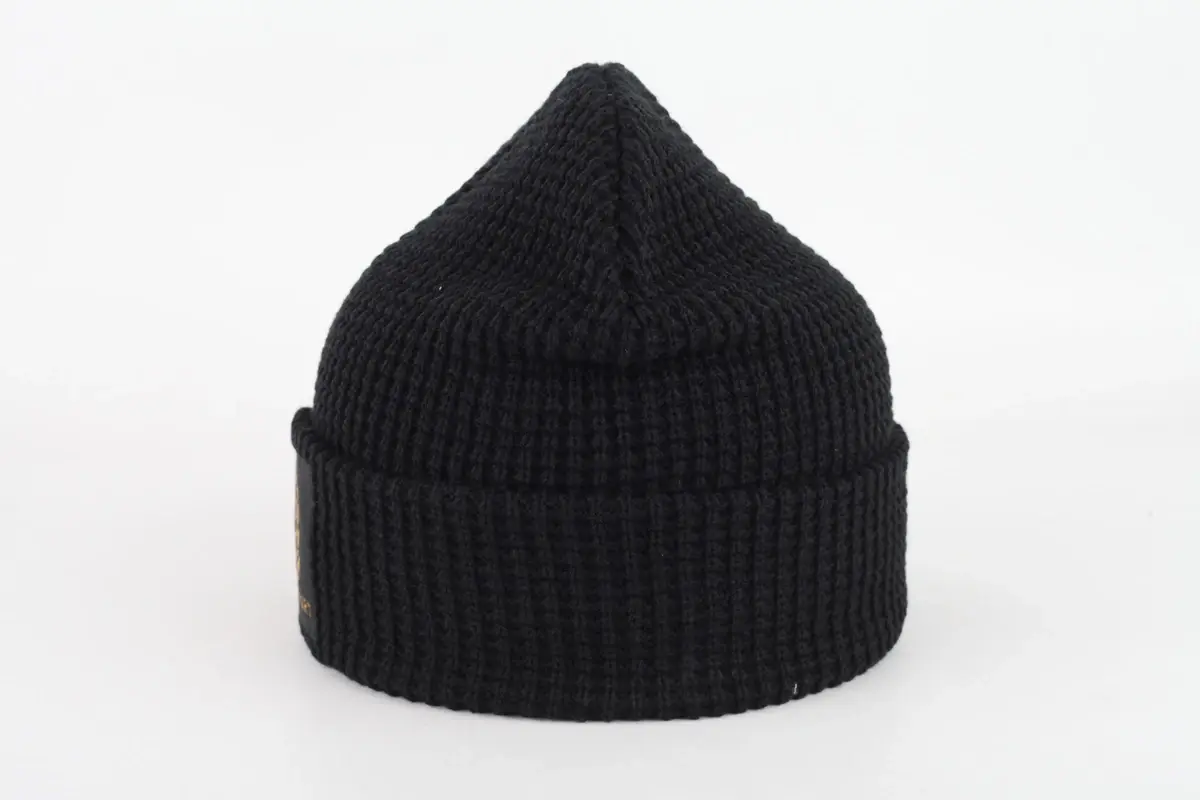
Photos show style and construction references. Fibre composition is confirmed for the selected yarn or fabric.
Your Wool Beanies Factory
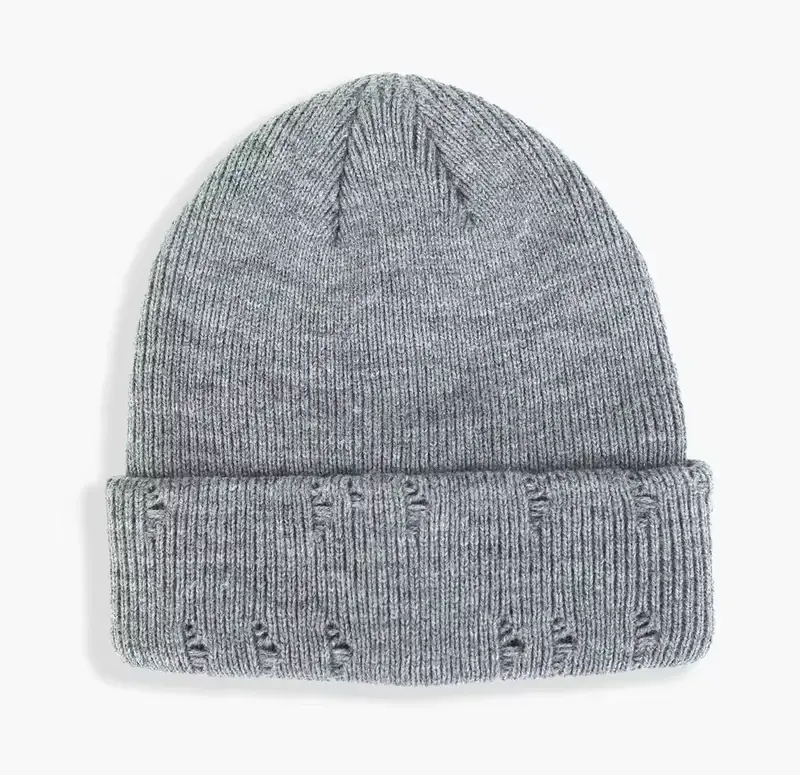
We review the wool composition and yarn for your design, then develop a physical sample. Knitting, sewing, decoration, finishing, inspection and packing take place in our own factory to the approved specification.
- Production and inspection: We complete knitting, sewing, logo application, finishing, inspection and packing in-house, without production outsourcing. IQC checks incoming yarn and accessories, IPQC monitors production, and FQC checks finished wool beanies against the approved sample.
- Style references: These product pages show construction options. We confirm the selected material, composition and yarn availability for your order.
- Compare constructions: Wool Cuffed Beanie · Chunky Knit Cuffed Beanie · Cable Knit Slouchy Beanie · Ribbed Fisherman Beanie
Develop Your Wool Beanies
Develop the wool yarn, shape and texture together before approving the final measurements.
Specify Composition, Yarn and Feel
We start with the wool percentage and the feel you want. The finished sample confirms the selected yarn, surface and skin contact.
- Wool Content
State the required wool percentage and whether the yarn is pure wool or a blend. - Blend Details
List every additional fibre and its percentage. A wool blend is not the same specification as pure wool. - Named Fibres
Specify Merino or cashmere separately; do not assume either from the word “wool.” - Physical Approval
Check yarn feel, surface, color and skin contact on the actual sample.
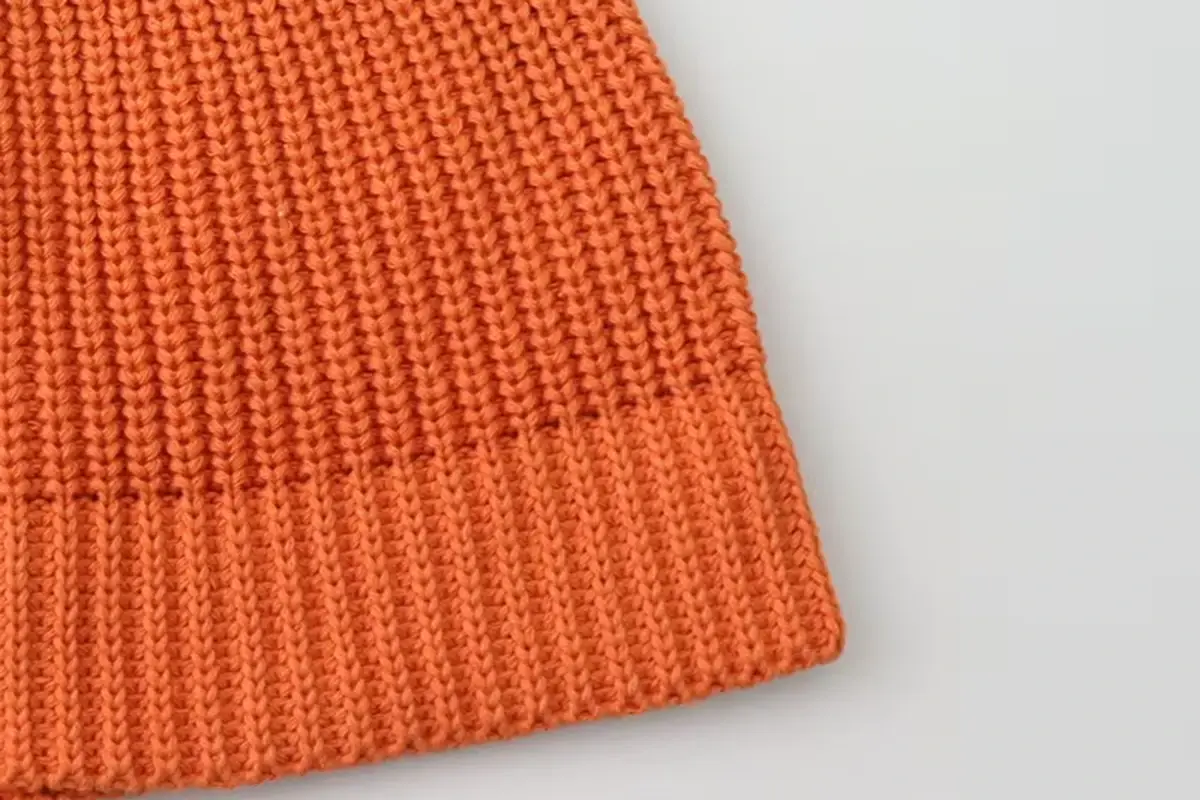
Match Gauge and Structure to the Product
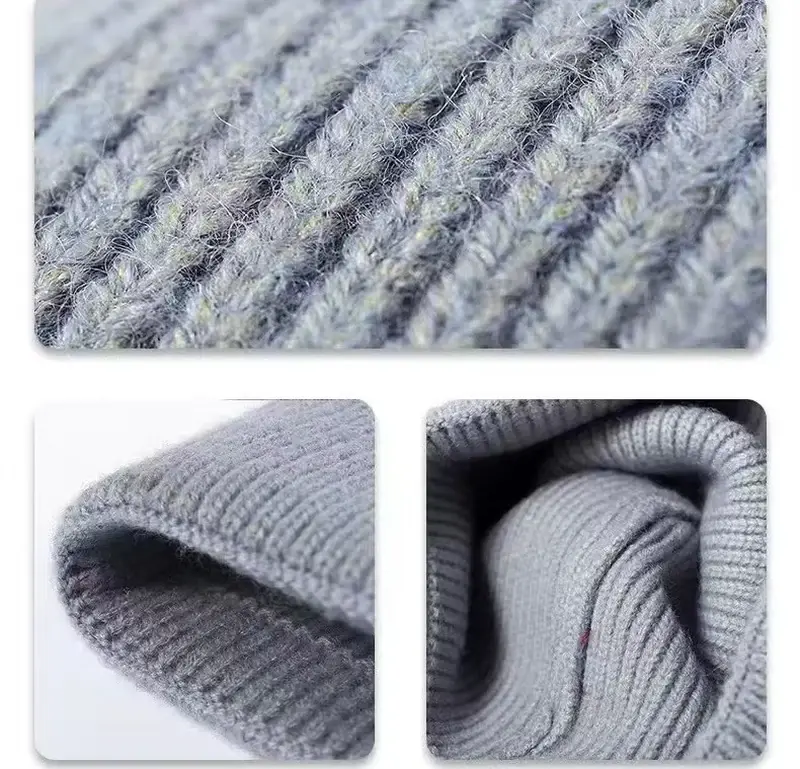
We match the gauge and construction to the intended texture and weight. Yarn, layers and dimensions are approved together on the beanie.
- 3G or 5G Direction
Use a coarser gauge when the design calls for larger visible stitches. - 7G or 12G Direction
Use a finer gauge for smaller stitches; yarn and stitch density also determine the finished surface. - Layers and Texture
Define ribbing, cables, jacquard and single- or double-layer construction before sampling. - Finished Measurements
Approve flat width, crown height, cuff height and wearer fit in the selected yarn.
Confirm Care Details Before Printing Labels
We confirm care wording for the actual yarn, finishing and construction. Fibre content and market information are checked before labels or hangtags are made.
- Fibre Content Line
Use the confirmed percentages from the selected yarn specification. - Care Instructions
Do not assume machine washing or shrink resistance; confirm the applicable care method. - Market Requirements
Provide the required language, symbols and destination-market information. - Sample Review
Check label content, placement, size and attachment with the approved beanie.
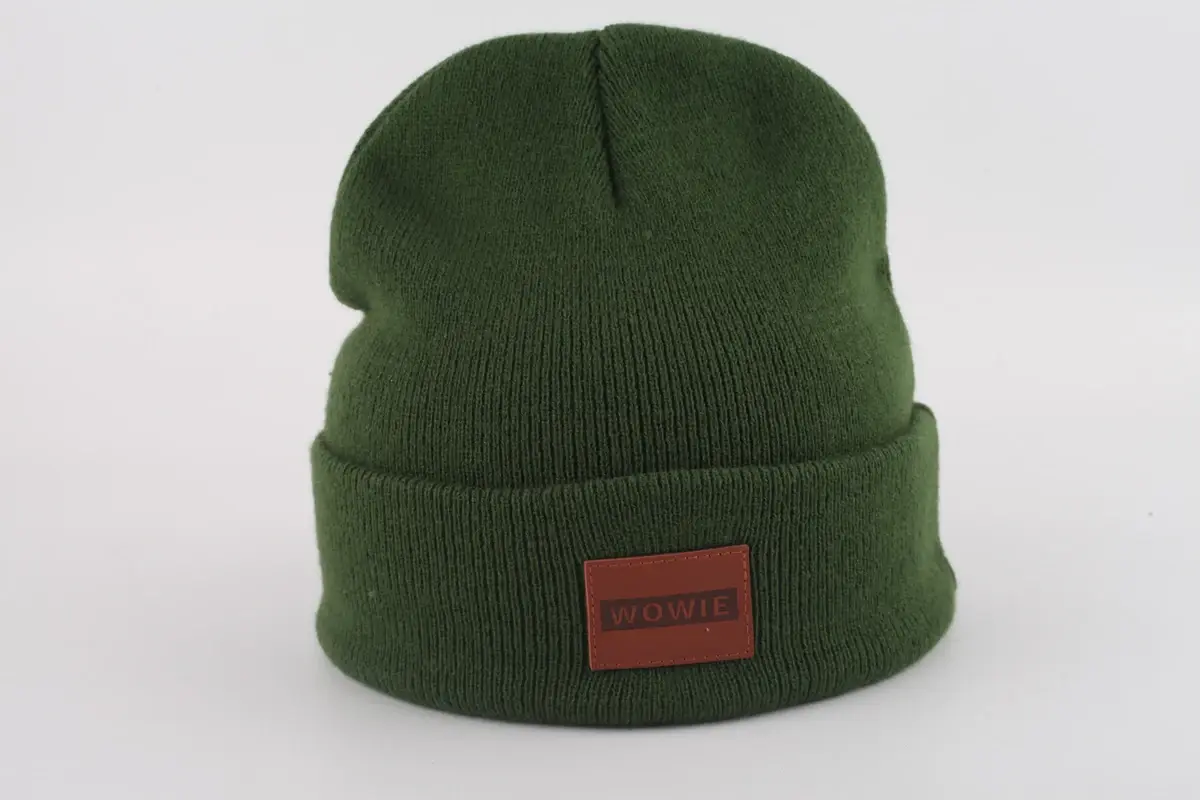
Rib Knitting and Folded Cuffs
Ribbing creates a clear texture and a folded cuff gives the logo a defined area. We check the cuff height, stretch and fit in the chosen yarn.
Discuss This OptionChunky and Cable Knitting
Larger stitches and cable relief add visible texture. The sample confirms weight, bulk and compatibility with the logo.
Discuss This Option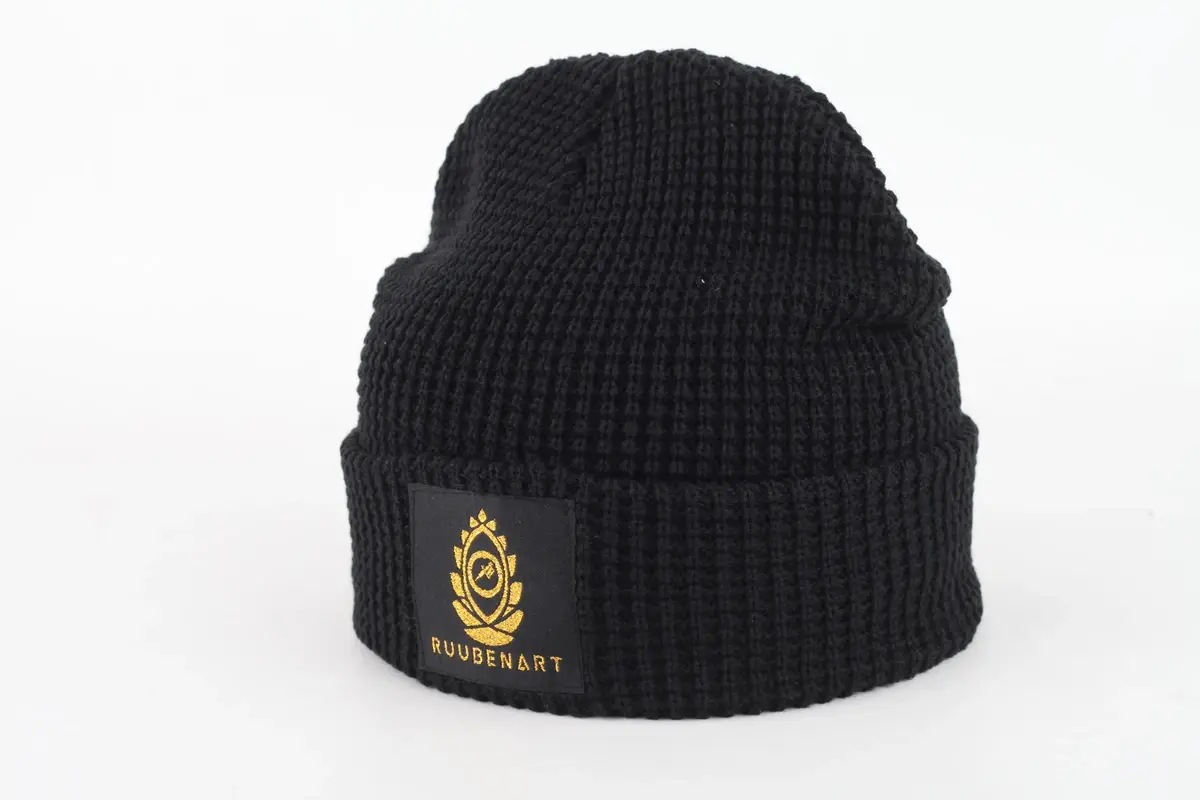
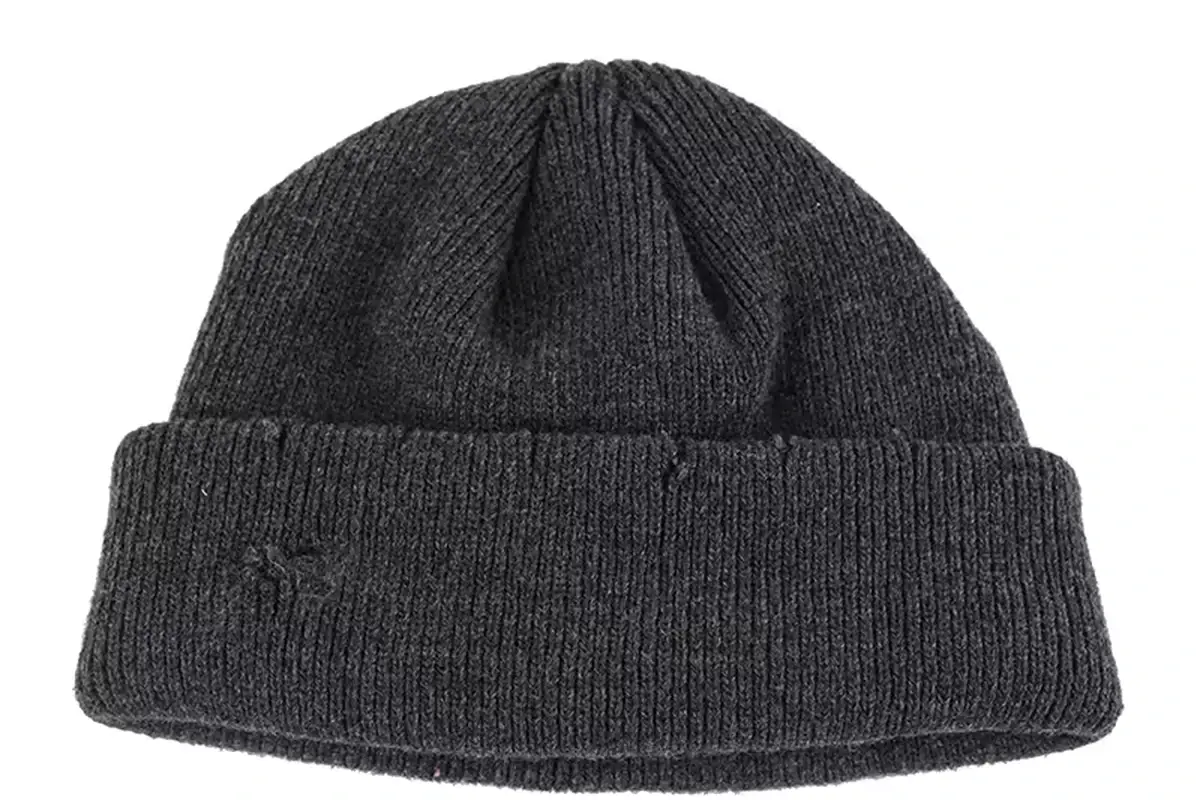
Fisherman and Slouchy Shaping
A short fisherman crown and a longer slouchy crown need different measurements. We develop the coverage, recovery and worn profile for the selected style.
Discuss This OptionSix Details We Confirm for Production
Check wool content, knit weight, fit and care wording against the approved yarn and beanie.
Fibre Composition
State the wool percentage and every other fibre in the blend. Specify Merino or cashmere only when required.
Yarn and Hand Feel
Confirm the yarn, surface and expected skin contact in a physical sample.
Gauge and Weight
Select 3G, 5G, 7G or 12G with the required texture, weight and structure.
Finished Dimensions
Record flat width, crown height, cuff height and wearer group for the chosen yarn.
Care Information
Base care and fibre-content wording on the actual yarn and product construction.
Approved Sample
Approve composition, hand feel, color, fit, logo, labels and packaging before bulk production.
Plan Your Wool Beanie
Send your beanie reference, estimated quantity and any wool-content or hand-feel preference. We can help develop a yarn and knit specification for your range.
50 pcs Standard MOQ / style / color · 5–7 days Standard sample time · 15–20 days Typical production time
Discuss Your ProjectFinal MOQ and timing depend on materials, design, packaging, revisions and scheduling. Production starts after written sample and specification approval and receipt of the 50% deposit; shipping time is additional.
Custom Wool Beanie FAQ
Define wool content, compare pure wool and blends, and check sample and care requirements.