
GUIDES BY TOPIC
Find Your Next Guide
17 guides
 Design & Materials
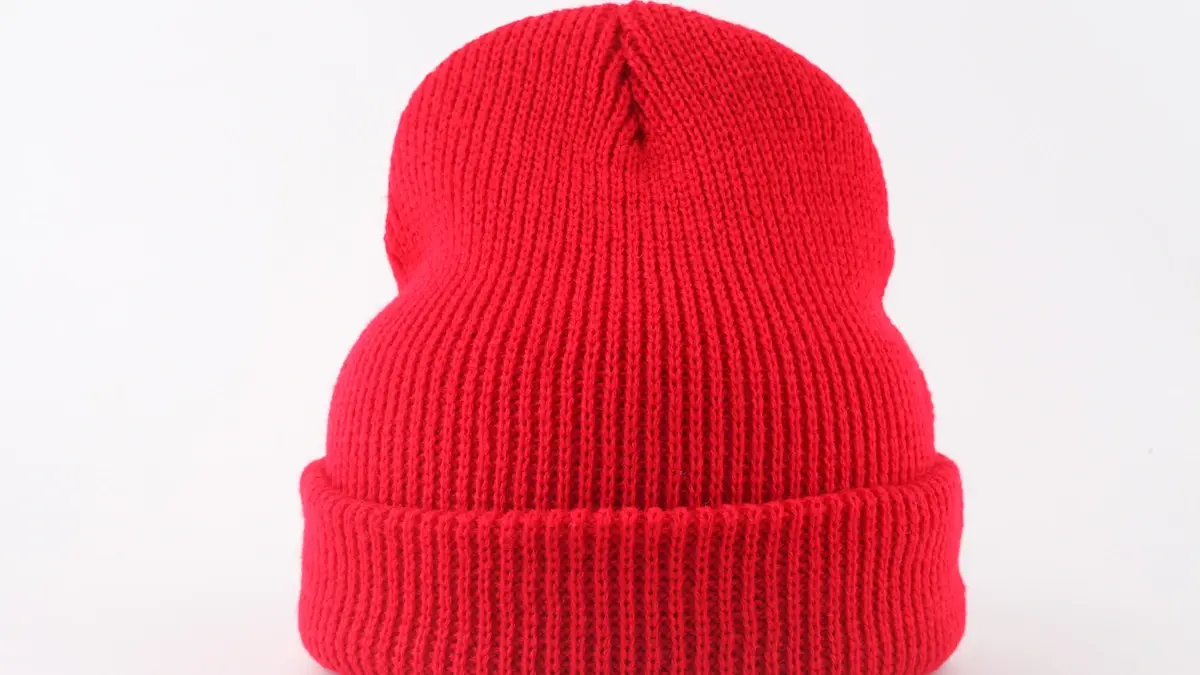
Acrylic vs Wool Beanies: Compare the Whole Hat
Compare acrylic and wool samples with similar dimensions, knitting and lining. Fibre content matters, but construction and care requirements also shape the feel, fit and price.
 Design & Materials
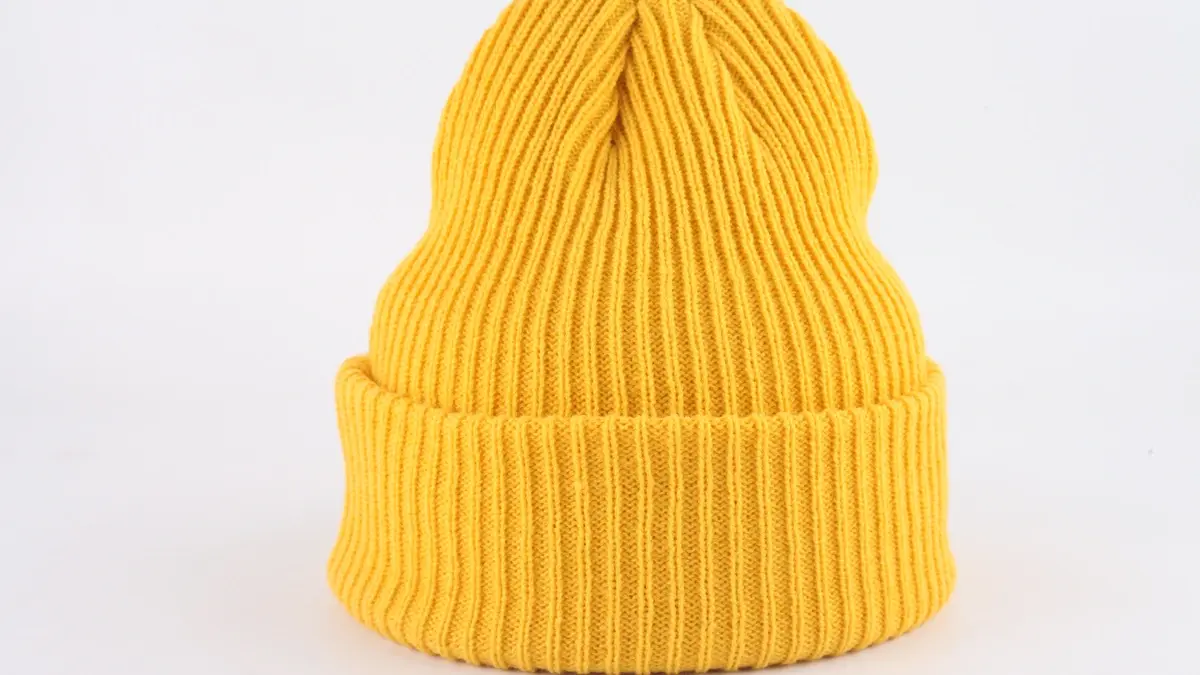
Merino Wool vs Wool Blend Beanies
Merino describes a type of wool; a blend combines fibres. A merino beanie can be a blend, so confirm the complete composition and review it in the intended construction.
 Design & Materials
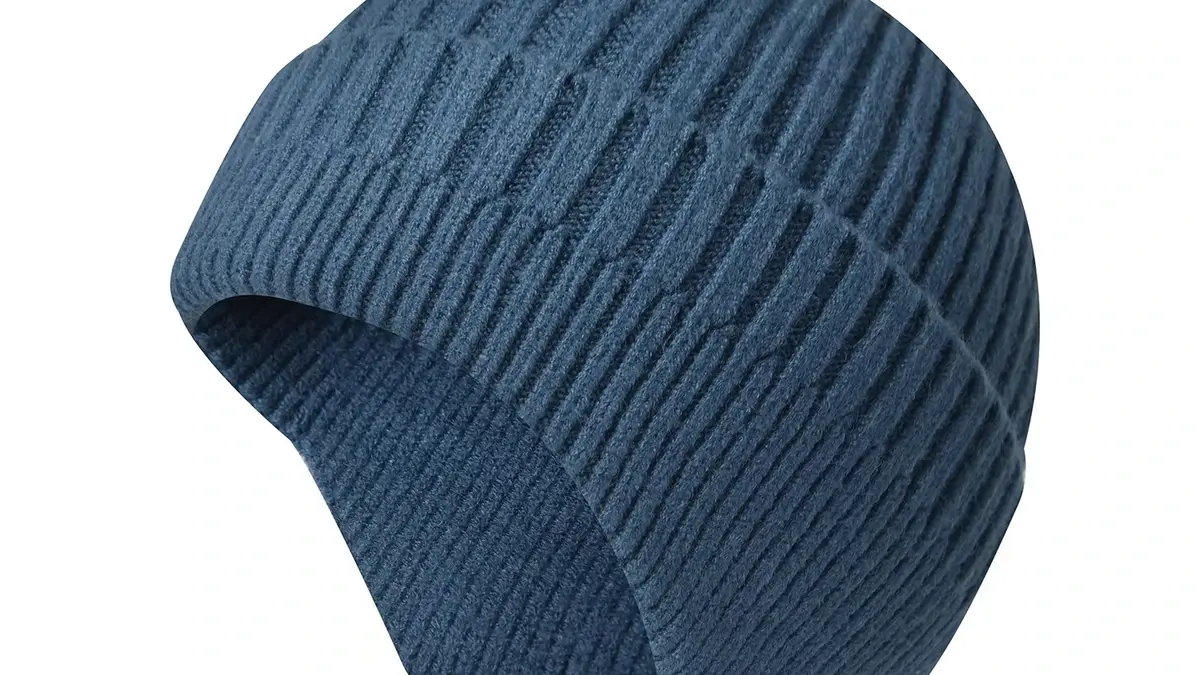
Cotton Beanies: Specify Weight, Stretch and Fit
Turn terms such as lightweight or close-fitting into measurable sample requirements. Record the weight, dimensions, stretch and recovery using an agreed method on the finished cotton beanie.
 Design & Materials
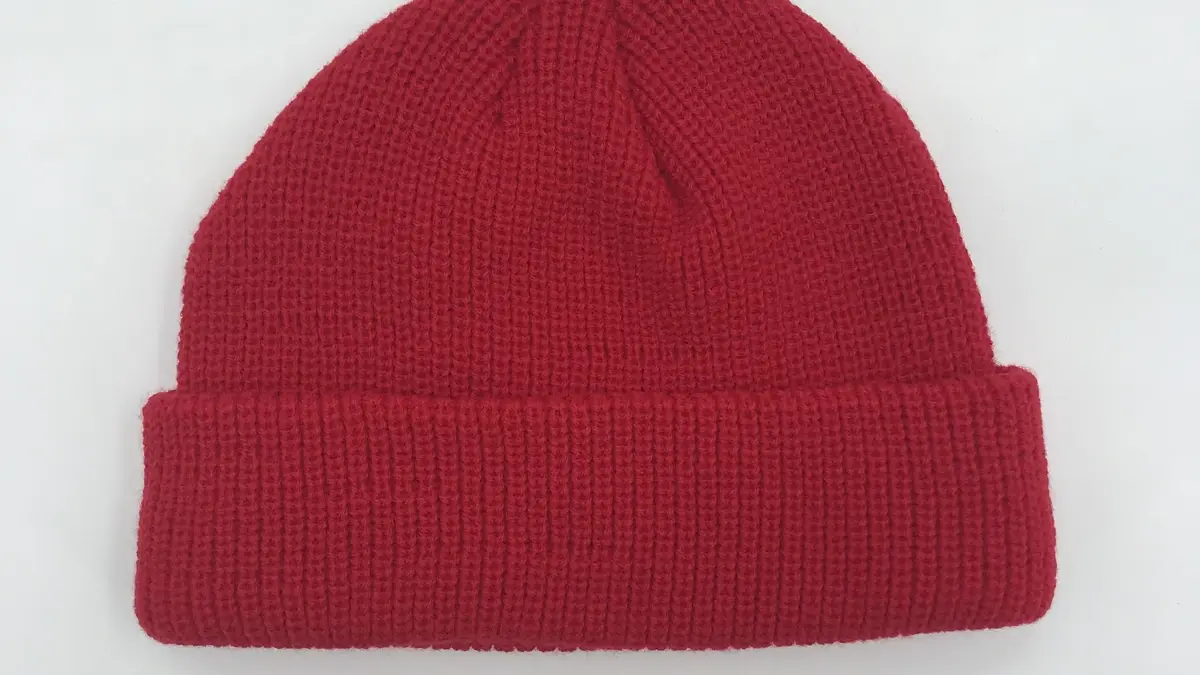
Cashmere Beanies: What to Confirm Before Sampling
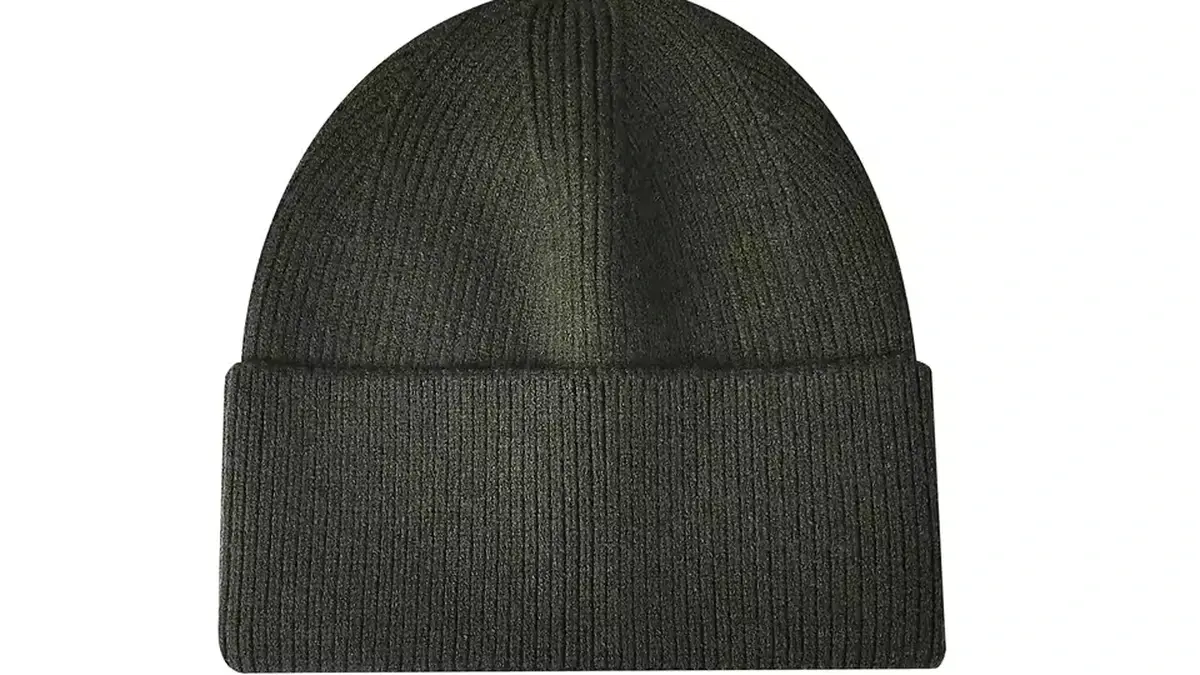
Confirm the exact yarn composition and supporting records before judging the sample. Softness alone does not prove cashmere content; construction, care and packaging also need review.
 Design & Materials
Recycled Beanies: Check the Material Documents
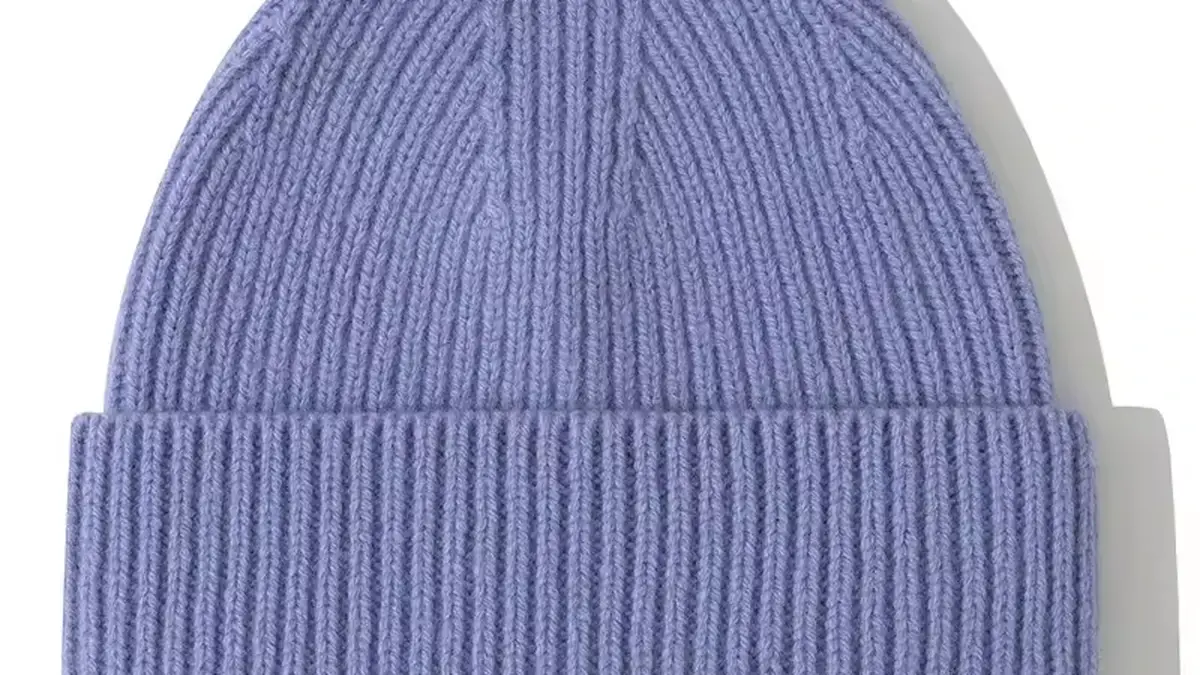
Match a recycled-content claim to the exact fibre, percentage, supplier and order. A certificate must cover the proposed material, and any label wording or logo use needs separate confirmation.
 Design & Materials
Organic Cotton Beanies: Check Claims Before Printing
Start with the claim you want to make, then check which material and production stages the documents cover. Settle composition and permitted wording before printing labels or packaging.
 Design & Materials
Fleece-Lined vs Double-Layer Beanies
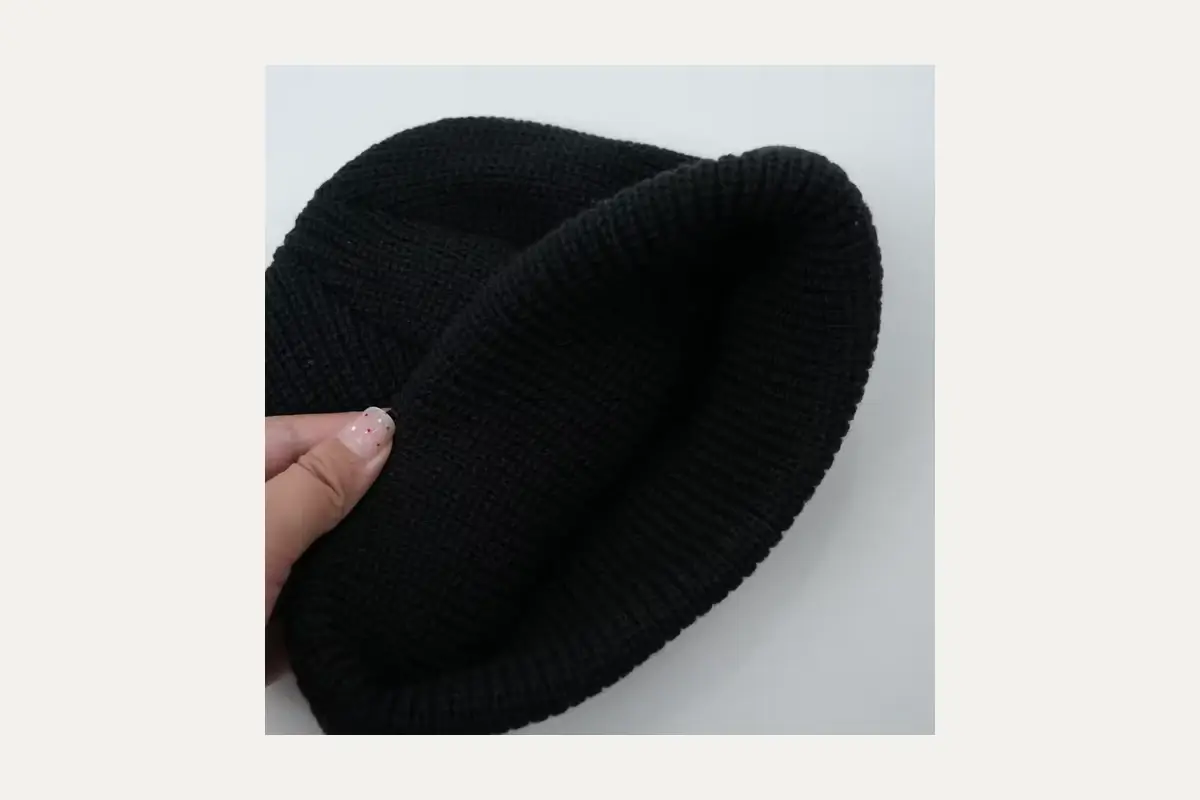
Compare the inside of the finished hats, including lining coverage, seams and fit. Layer names or thickness alone do not establish warmth or other performance claims.
 Design & Materials
Embroidery vs Patches for Beanie Logos
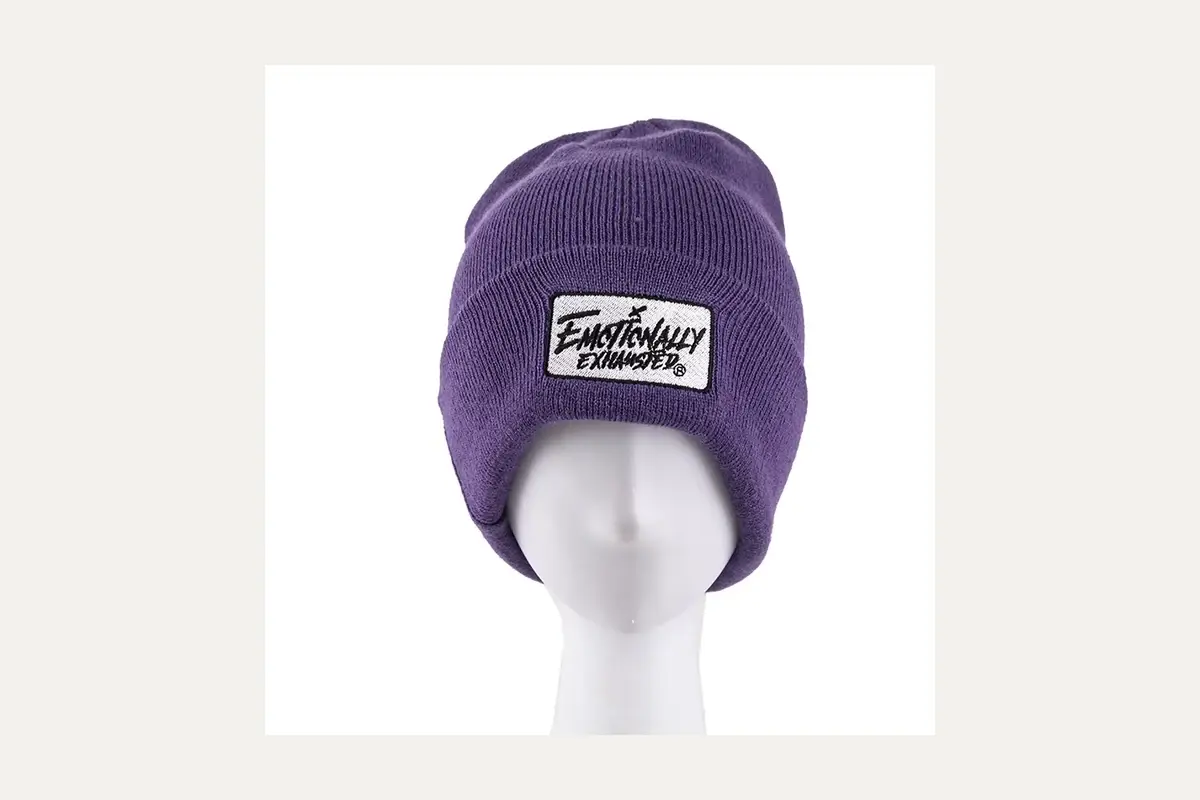
Compare the logo at its finished size on the intended knit. Detail, footprint, stiffness, placement and stretch all matter when choosing direct embroidery or a separate patch.
 Design & Materials
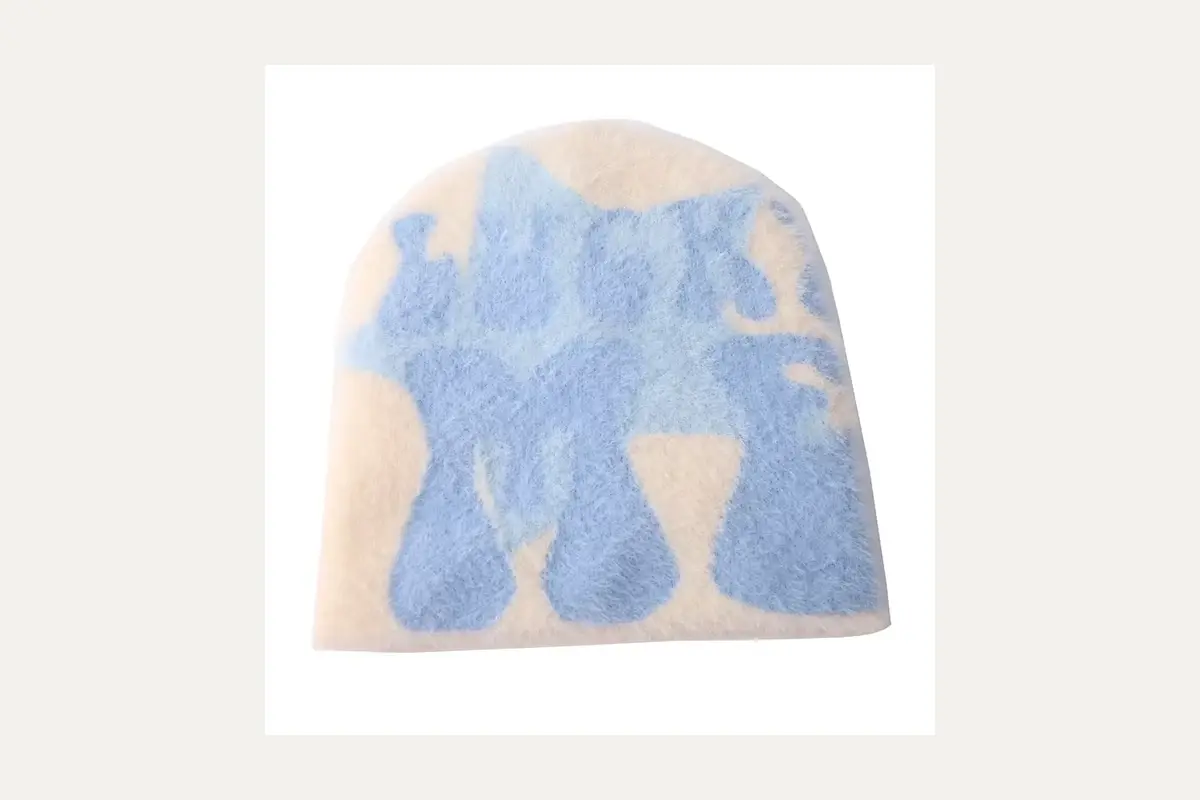
Jacquard vs Intarsia for Beanie Designs
Use the actual artwork to compare knitting methods. Repeats, lettering and large color areas need review for stitch scale, joins, stretch and placement on the finished beanie.
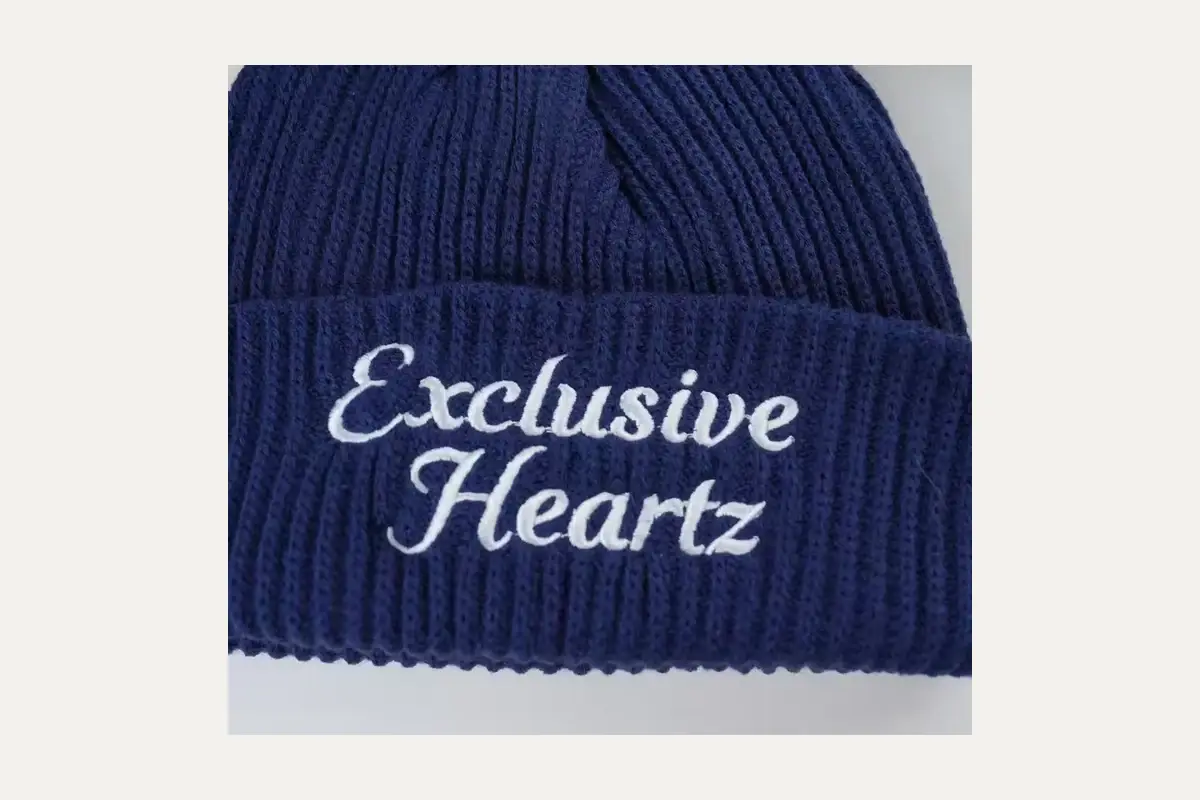 Design & Materials
How to Prepare Beanie Embroidery Artwork
A logo file needs finished dimensions, colors and placement instructions. Review a stitched sample on the actual knit, especially for small lettering, fine details and a folded cuff.
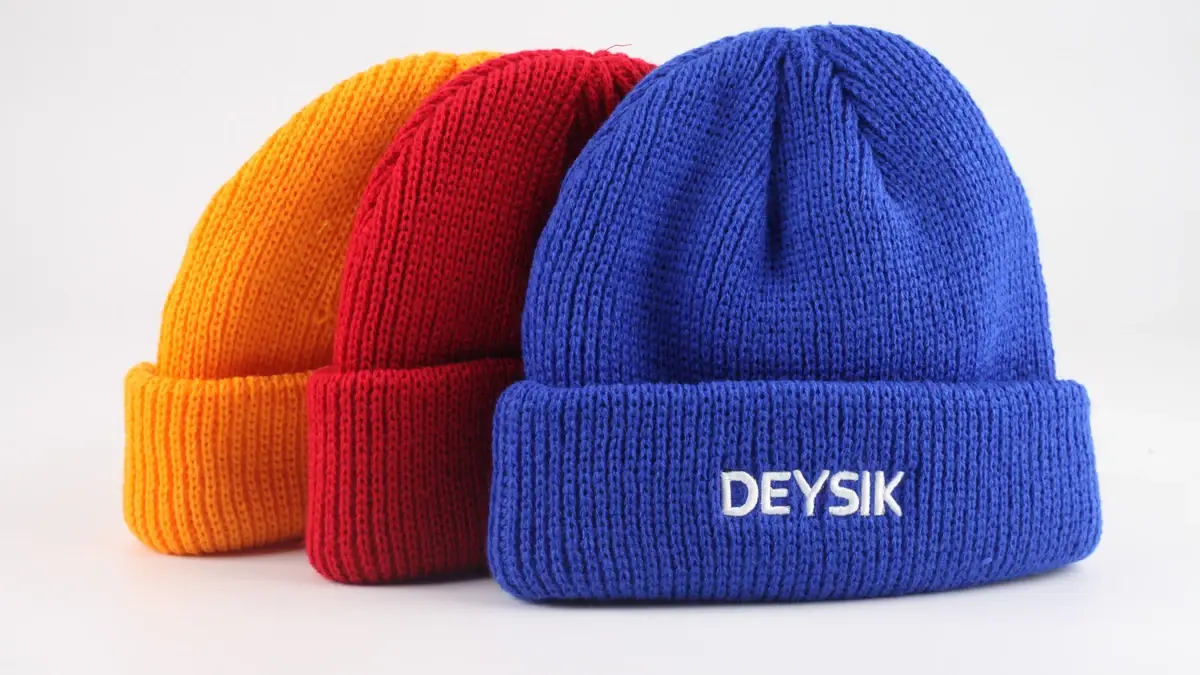 Design & Materials
Where Should a Logo Go on a Cuffed Beanie?
Set the cuff fold before positioning the logo. Record dimensions from clear reference points, then check visibility, orientation and balance on the beanie as it will be worn.
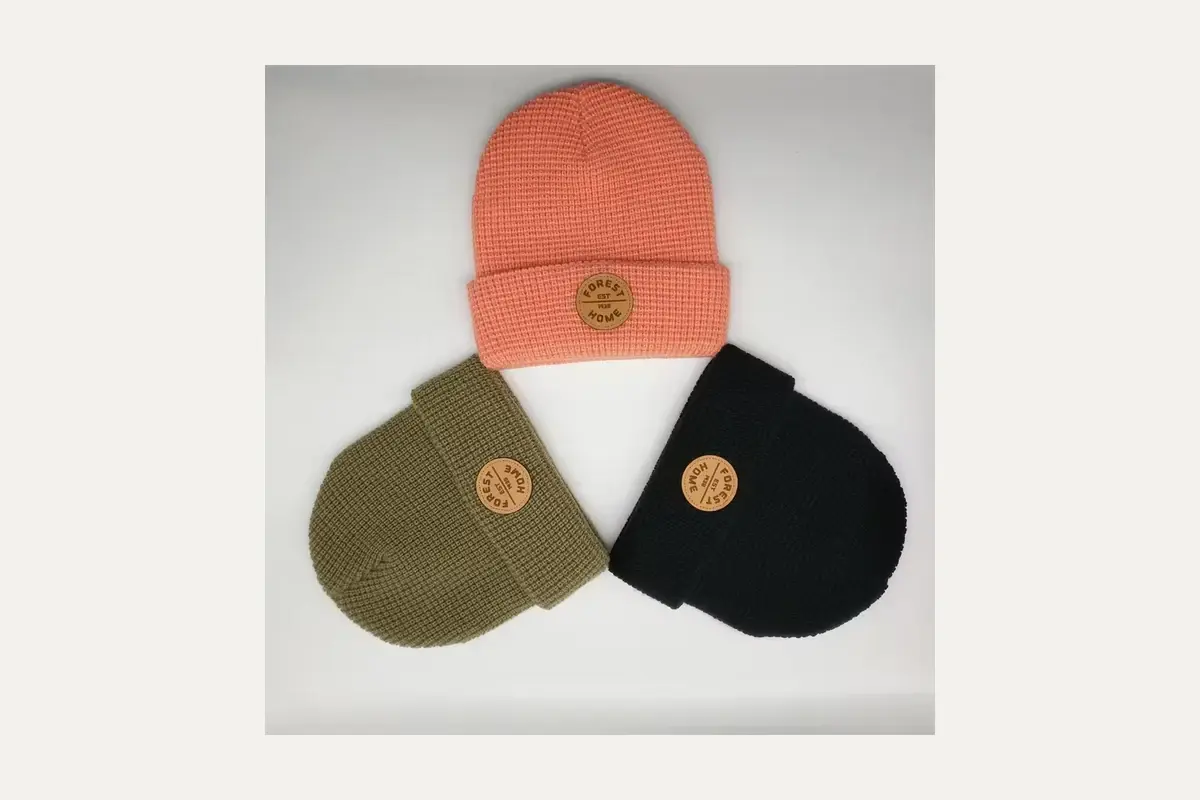 Design & Materials
Beanie Patches: Specify Material and Attachment
Approve the patch on the beanie, not only as a loose component. Record its material, outer dimensions, edges and attachment, then check flexibility and care for the complete hat.
 Design & Materials
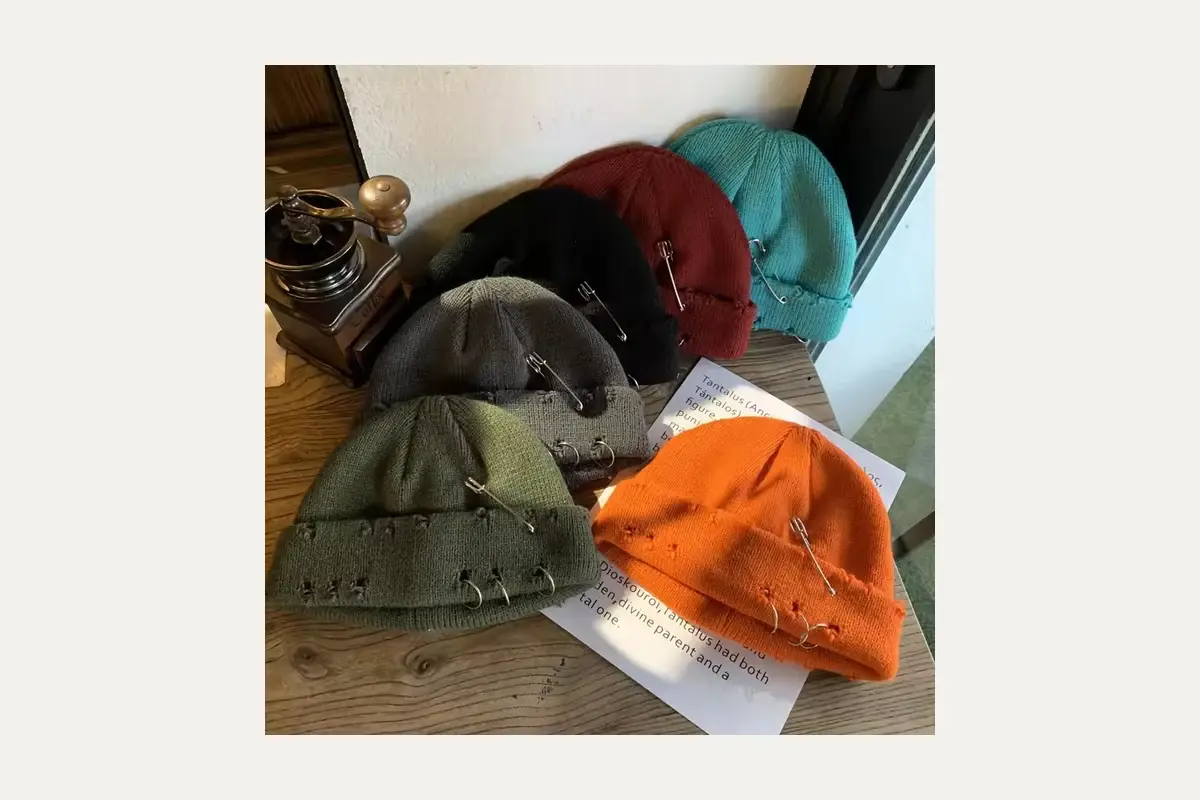
Fisherman, Cuffed and Slouchy Beanie Fits
These names describe different features and can overlap. Define cuff depth, crown height, opening fit and wearing position rather than specifying the hat by style name alone.
 Design & Materials
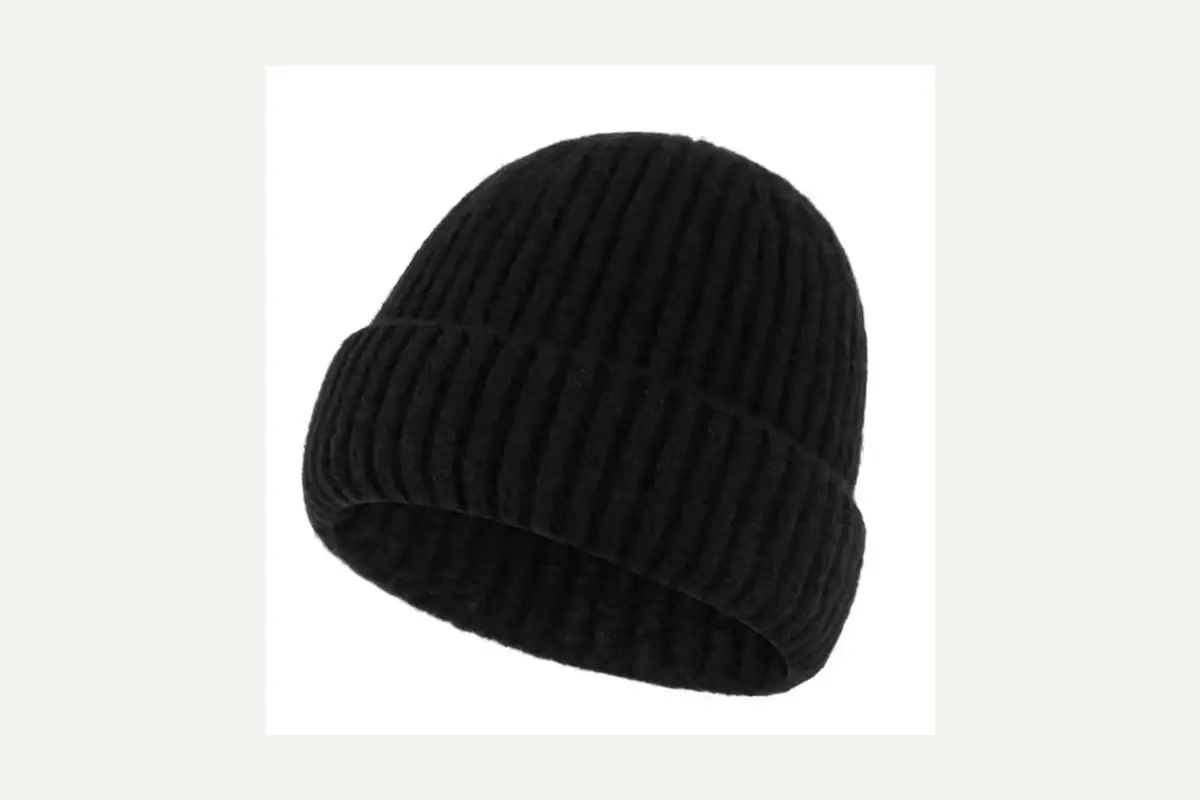
Rib, Cable and Waffle Knit Beanies Compared
Compare texture on the whole hat as well as in a close-up. Review repeat size, cuff and crown transitions, weight and the logo area before approving the knit.
 Design & Materials
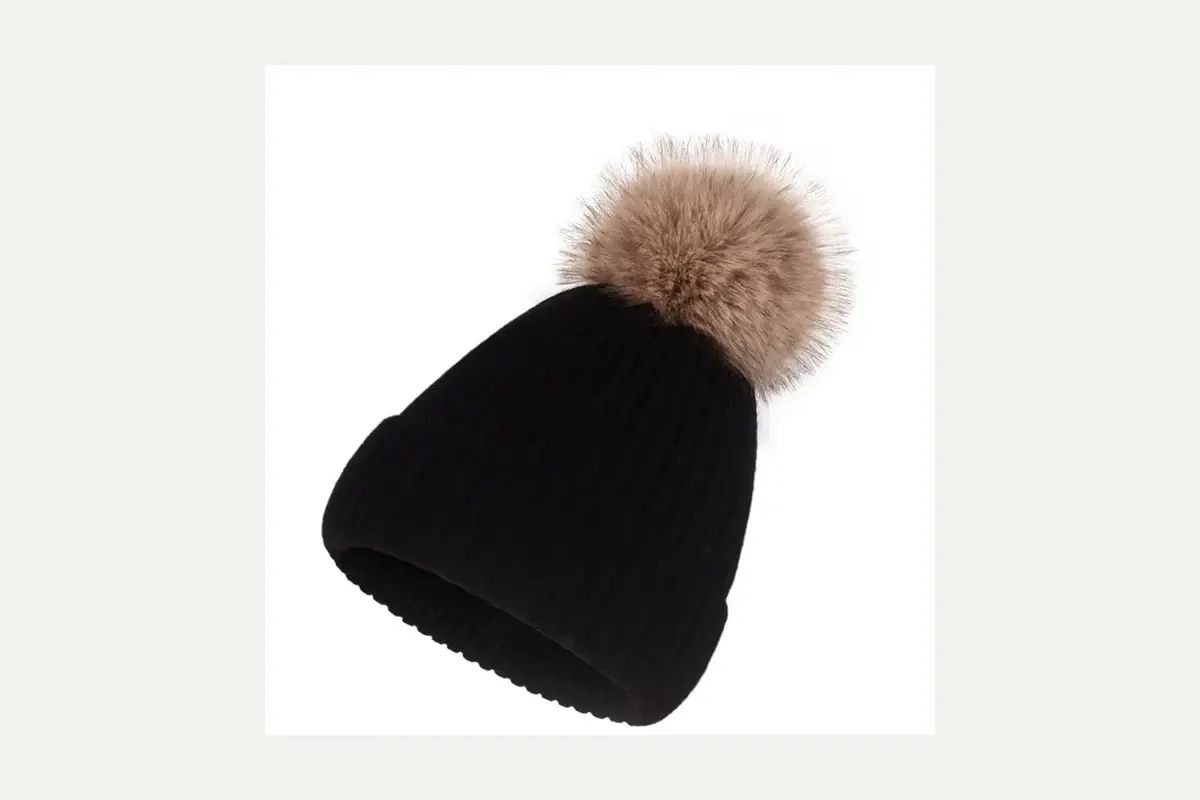
Yarn vs Faux Fur Pom Poms for Beanies
Compare pom poms on the intended hat, using an agreed way to measure size. Check appearance, weight, attachment, care and how the complete beanie fits in its packaging.
 Design & Materials
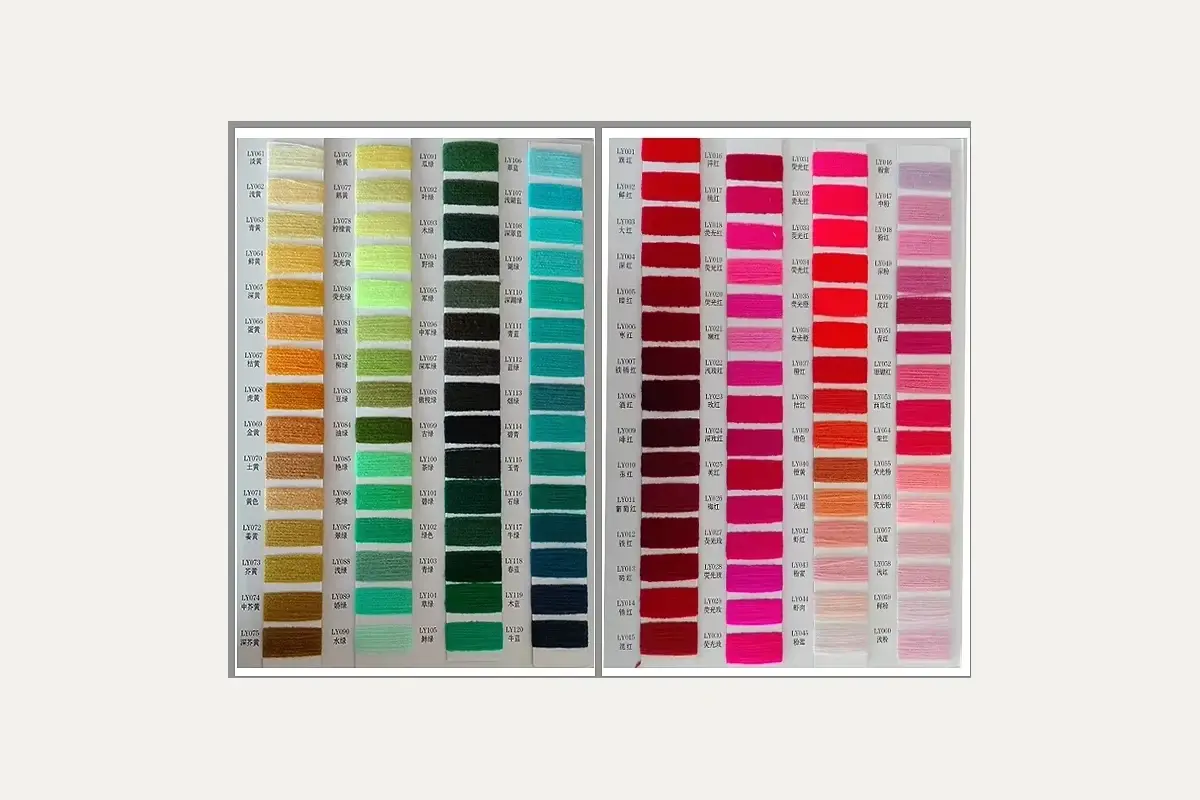
How to Specify and Approve Beanie Colors
Identify one master color reference and compare physical samples in agreed lighting. Keep yarn, embroidery, labels and packaging references separate, and distinguish layout approval from color approval.
 Design & Materials
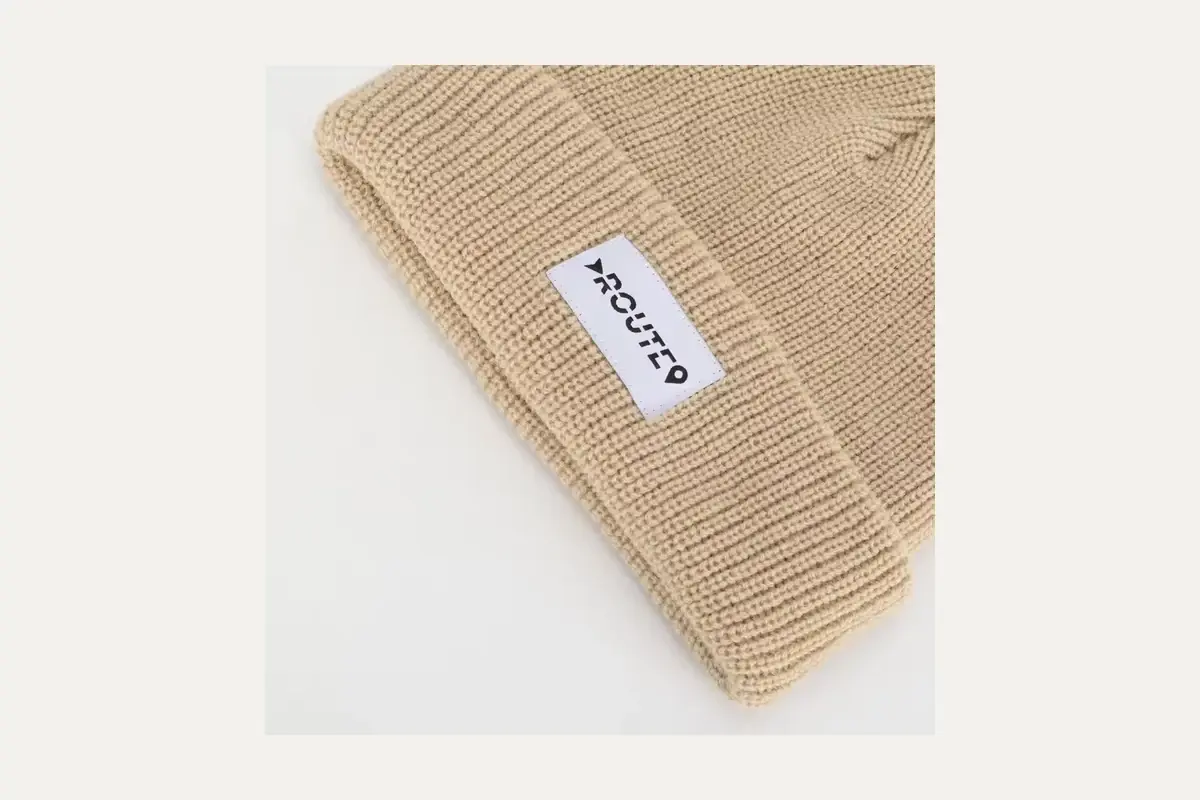
What to Include in a Beanie Label and Hangtag Brief
Give each label and hangtag a clear purpose, approved text and artwork version. Check the information at actual size on the hat, including placement, attachment and any buyer-supplied barcode data.
No guides found
Try a different search or clear the filters.
Explore More Topics
Read about planning, sourcing, production and quality.