
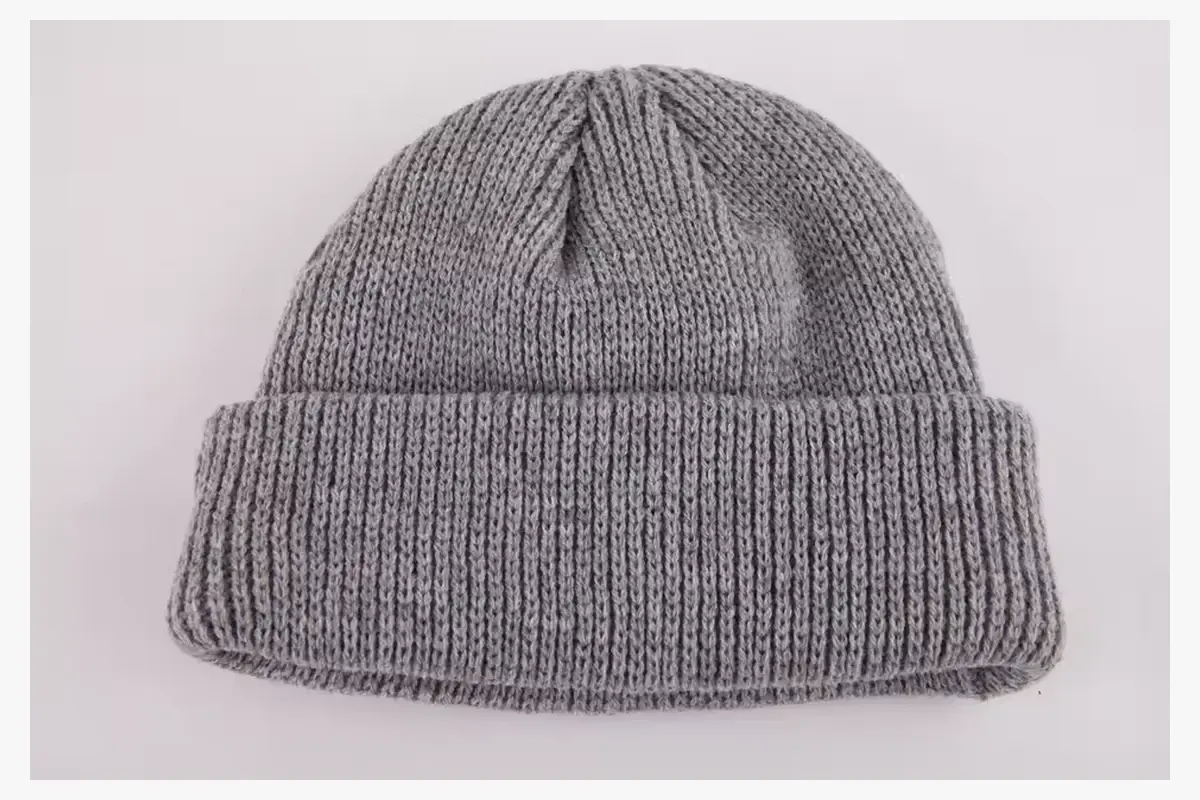
A merino beanie may use pure merino wool or a blend. Compare each yarn proposal's full fiber composition and finished hat construction.
Get past the yarn name
Request the fiber names and percentages. For a merino proposal, ask what material records support that description. For a blend, name the other fibers rather than leaving the specification at “wool blend.”
Keep that composition consistent across the quote, sample specification and customer-facing information. If the yarn changes after sampling, review all three again.
What will it feel like at the forehead?
Woolmark identifies fiber diameter as an important influence on wool's feel. If a supplier specifies fiber diameter, record its source and the yarn it applies to. The word merino alone doesn't give you a micron value.
Construction matters alongside the fiber. A firm rib and a looser knit made with the same yarn can feel different. Cuff thickness, crown shape and seams also affect the finished hat.
If comfort under the folded cuff is your main concern, review that area on completed samples. If shape after care matters, agree on the care procedure and review method before relying on a claim.
Read a blend percentage carefully
A phrase such as “merino blend” leaves the amount and companion fibers unspecified. Ask for a full composition that totals the yarn content, not a marketing name alone.
For illustration, a proposed yarn described as 50% merino wool and 50% acrylic is not an all-merino yarn. Nor does that description tell you the composition of an added lining or separate trim. This example ratio does not describe a WiseBeanie stock yarn.
If multiple yarns are used in one construction, ask how the finished component's composition will be established. Avoid averaging percentages by eye or from the number of colors in the design. The material record needs to describe what is actually used.
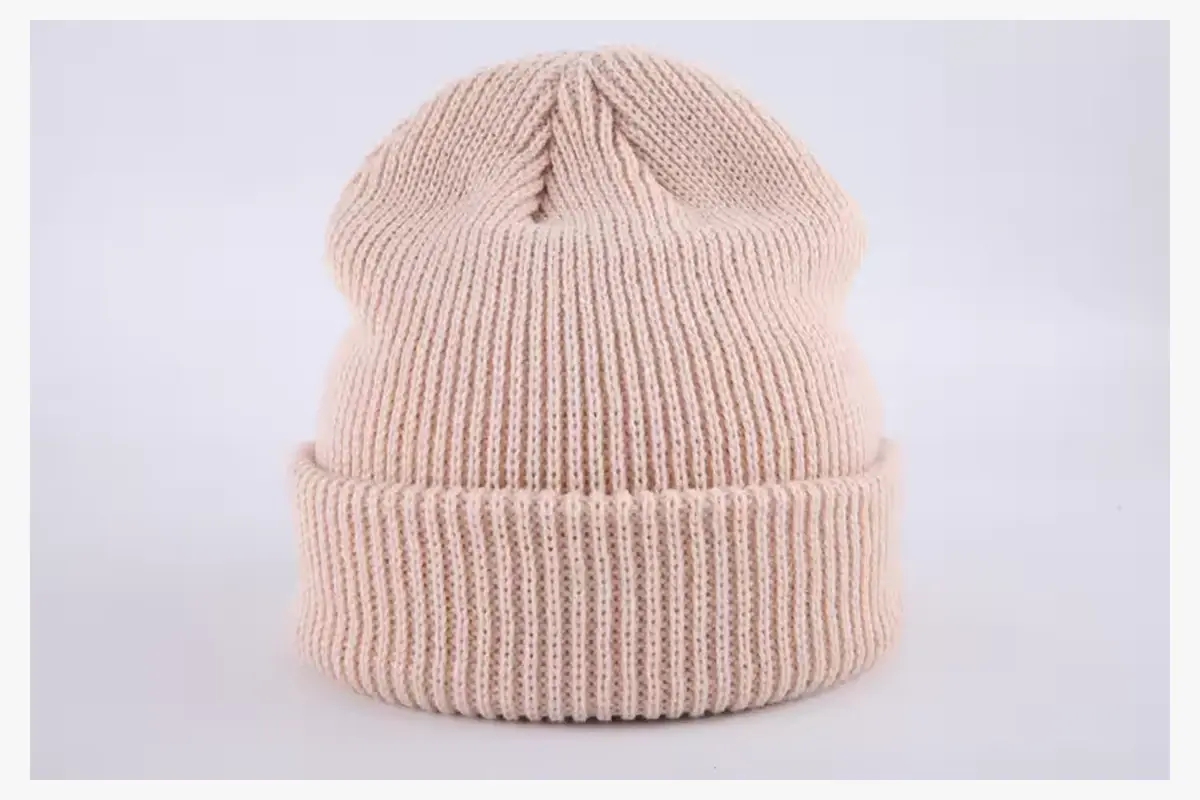
Separate a softness problem from a construction problem
Suppose two proposals both mention merino, but one sample feels less comfortable. Inspect where the discomfort occurs before changing the fiber specification. Is it across the forehead knit, at a seam, under a label or near the logo backing? A change to the yarn may not solve a problem caused by another component.
For the knit itself, compare the supplied yarn records and the finished construction. If the cuff is thicker or firmer on one sample, document that difference. A statement about fiber diameter can be relevant, but it isn't a substitute for evaluating the hat people will wear.
Keep the feedback specific: “The inside seam presses at this point” or “The cuff feels too firm in the approved wearing position.” Identify the location in a sample photo so the supplier can review the relevant component.
Agree on the evidence you need before making a claim
If your retail description will name merino content, ask which records support that identity and percentage for the proposed yarn. A document for a different reference shouldn't quietly stand in for the order's material. If further verification is needed, settle its scope and cost before treating the wording as approved.
A supplier may propose a blend to meet the desired combination of price, feel or construction. Evaluate the actual proposal on those grounds. Don't assume the alternative will preserve every feature of the first sample, and don't approve a material substitution without updating the specification and product wording that depend on it.
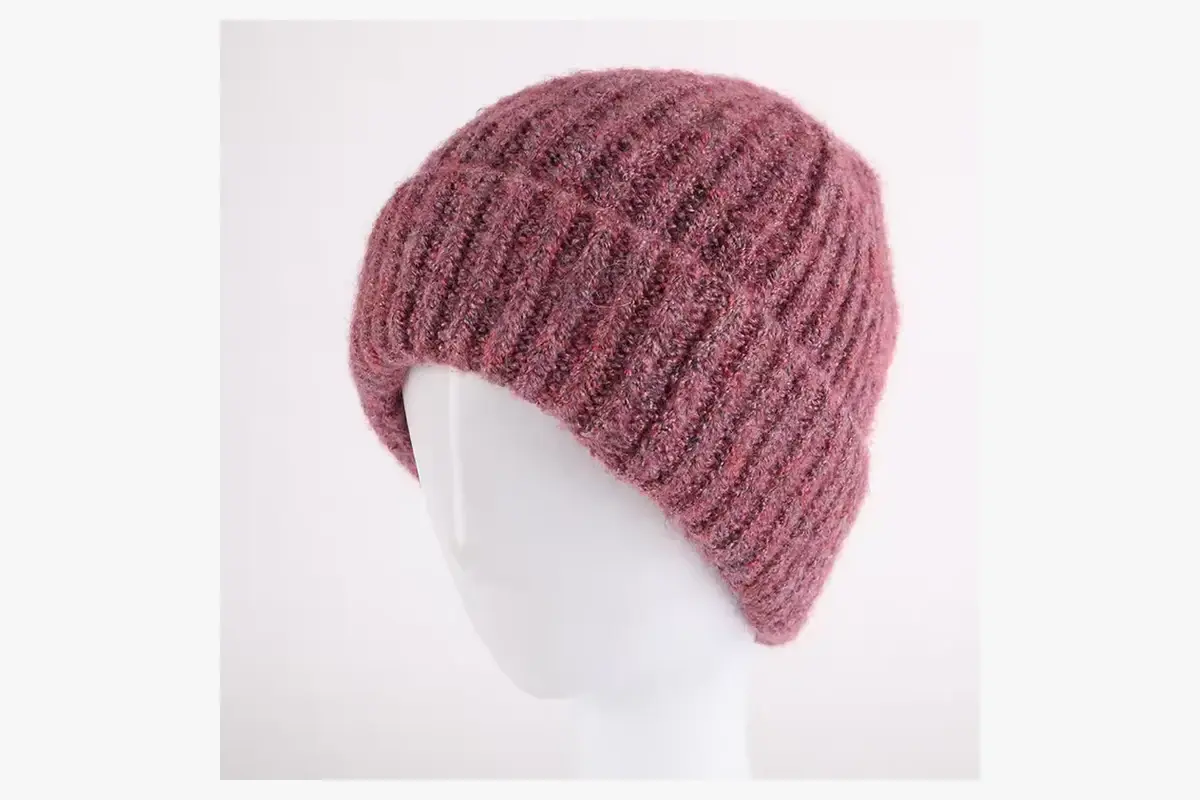
What to ask for with the samples
| Detail | What you need to know |
|---|---|
| Composition | Exact fiber names and percentages |
| Yarn reference | Which supplied yarn the sample uses |
| Construction | Texture, dimensions and layers |
| Wearing feel | How the sample feels at the forehead and ears |
| Care | The method supported for the complete hat |
| Documentation | Which records relate to this yarn and order |
You don't need to choose a numerical yarn specification you don't understand. Describe the product you want and ask the factory to explain its proposal in terms you can assess.
Choose between the sampled yarns based on your required composition, fit, care and budget.
You can review WiseBeanie's merino wool and wool blend options while preparing the brief. Describe your preferred feel and construction so the yarn can be considered as part of the complete beanie.
Related Guides and Factory Options
- Cashmere Beanies: What to Confirm Before Sampling
- Review material options
- How Sampling and Production Work
Share your composition, feel, care and intended shape requirements. We will review the yarn as part of the complete beanie.
Discuss Wool Options