
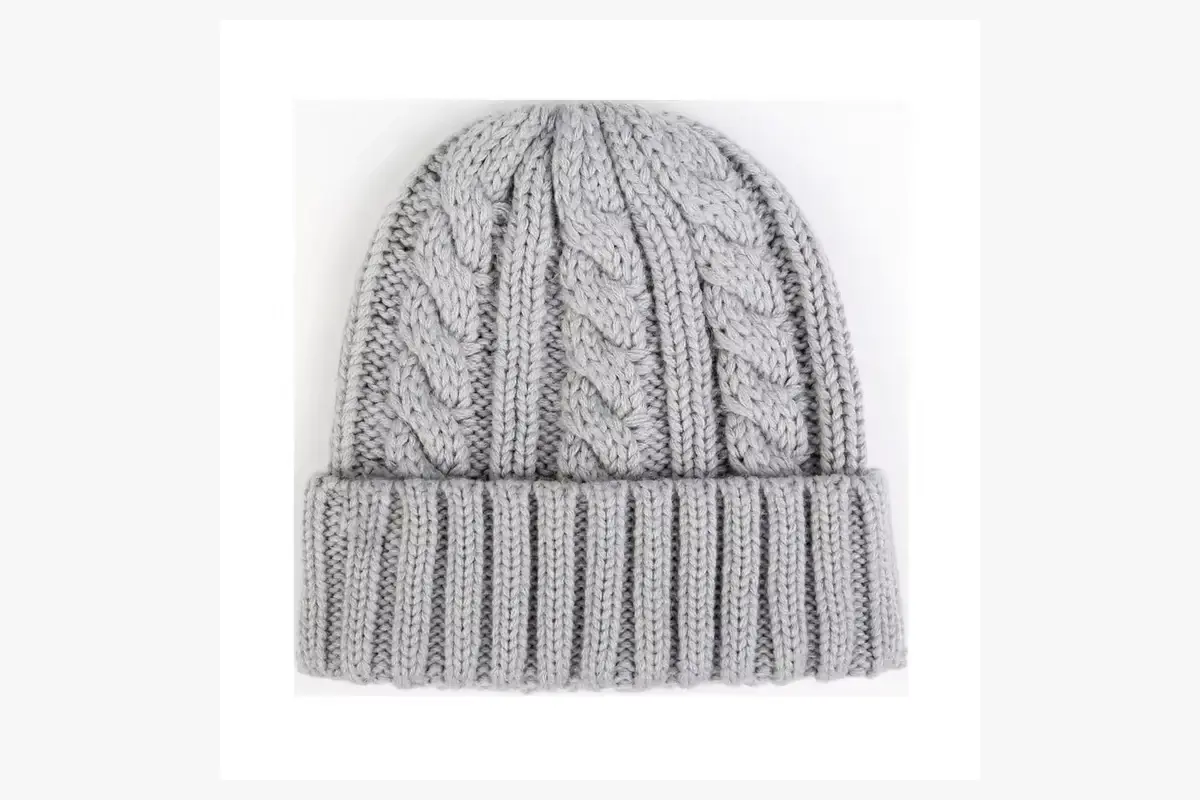
Tell the factory whether you're looking for available organic cotton materials or a specifically certified finished product. These requests need different answers, so settle the distinction before sampling.
What does the statement describe?
An organic cotton claim should identify the material and amount covered. It may concern cotton in the body yarn, a stated percentage of the composition or certification of the finished hat. Specify which you mean.
Discuss blended fibers, lining and decorative trims, and whether the claim covers them. A yarn supplier's document can be useful evidence without proving a broader statement about the finished beanie or every production operation.
Request the yarn identity and composition, followed by the relevant documents. Check the holder, issuing organization, covered activity or product, and validity against the supply proposal. Ask how the records connect to your order and whether further evidence or approval is needed. Verify the document through its issuer or the scheme's official resources.
If you need a GOTS-labeled product
Consult the current GOTS labeling resources and applicable certification requirements for the actual product and supply chain. A supplier's certification isn't blanket permission to put the GOTS logo on your beanie.
Settle the scope before printing hangtags or packaging. If an unsupported claim has already been printed, correcting the artwork may also mean replacing the physical components.
Before releasing the label, make sure the order record answers these questions:
- What is the exact fiber composition and organic-content description?
- Which documents relate to the proposed yarn and order?
- Which components and processing stages does the claim cover?
- What wording and marks are permitted for the final product?
- Who will confirm the claim before artwork release?
Organic content doesn't, by itself, establish a particular feel, hypoallergenic performance or suitability for every wearer. Keep those separate from the material claim.
Check the product claim, not just the presence of a logo
The linked GOTS guidance identifies additional labeling information, including the relevant label grade, certification body and certified entity's number. Check the actual permitted label for the product rather than copying a logo from a supplier's presentation. Website product information also needs to correspond to the physical product's claim.
Ask for the applicable labeling requirements and approval route, then submit the final artwork for review. Keep the approved version with the product record so a later designer doesn't accidentally replace it with an incomplete logo-only layout.
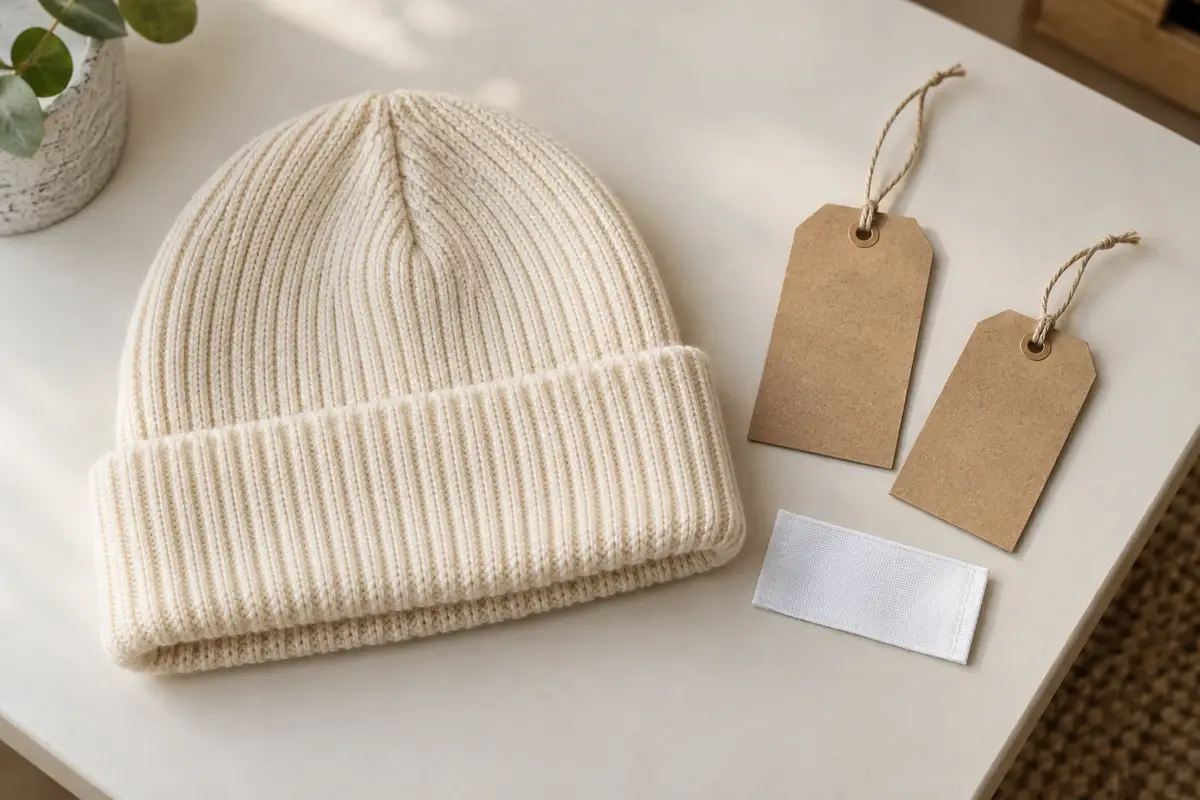
Trace a sample proposal through to the wording
You can review one product rather than an entire supplier catalog. Identify the proposed body yarn and blend, the sample using it, and the finished product description. Establish which evidence applies at each step and which final claims are permitted.
If the supplier sends a general company document, ask how it connects to the yarn and manufacturing arrangement for this particular hat. If the reply changes the proposed material, update the sample request too. Otherwise the sample may demonstrate one construction while the documents describe another.
If you request a certified finished product but receive only yarn-supplier records, ask which further product and supply-chain evidence is needed before approving a certification claim.
Keep unresolved claims out of printed components
Put a specific claim on hold when its basis is unresolved. You can continue discussing the fit, color or presentation without treating those approvals as permission to print the claim. Record which decisions are accepted and which are still waiting for evidence.
Clearly mark the claim status on internal mockups so a design draft isn't mistaken for print-ready artwork. Before production release, check both the wording and the artwork file version. Send the approved wording in the final print file.
The same applies to your website. The title, main description and material details should tell the same story as the physical label. Don't let a short promotional headline expand a limited material statement into an unsupported whole-product claim.
A different yarn, blend percentage or component calls for another look at the documents and wording. Keep the final specification and approved label version together so they continue to describe the same product.
WiseBeanie's organic cotton beanie page covers material discussions by project. Share the composition and documents you require so availability and the scope of any claim can be checked before sampling and production.
Related Guides and Factory Options
- Recycled Beanies: Check the Material Documents
- Review material options
- How Sampling and Production Work
Tell us the composition and documentation your order needs. We will review the material proposal and the scope of any claim before sampling.
Discuss Organic Cotton