
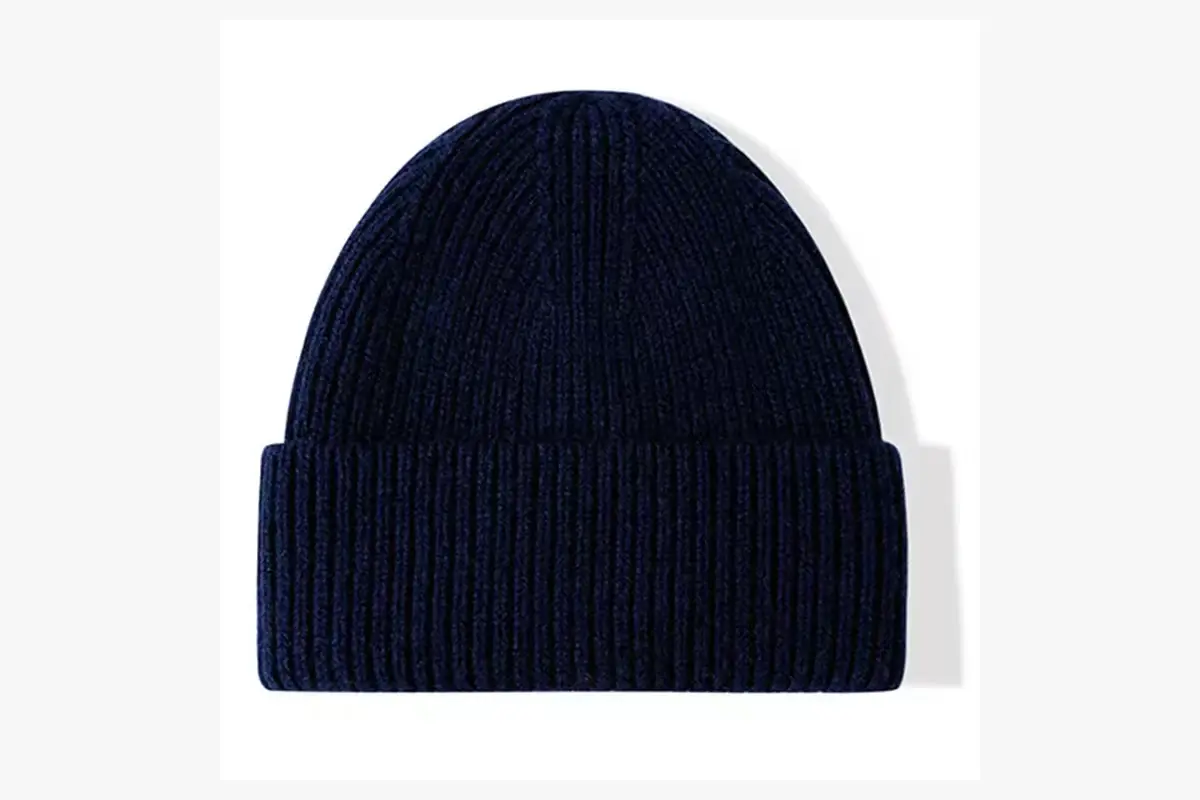
A recycled-content claim may describe the body yarn, another component or a certified finished product. Write the exact claim you plan to use so the supplier can check its scope and supporting records.
Match the claim to the material
Ask which fiber is recycled, what percentage is proposed and where it's used. Keep the body, lining, pom pom, labels and packaging separate when their compositions differ.
A percentage for the yarn doesn't automatically describe the whole hat. A whole-product claim needs an agreed basis and supporting information; it can't simply inherit a component's percentage.
Check the certificate against the order
Textile Exchange distinguishes scope certification from records for specific transactions. A scope certificate identifies an organization's approved scope. By itself, it doesn't prove that an individual shipment is certified. Use the relevant certificate authentication resources and ask the issuing certification body about anything unclear.
For a transaction-related record, compare product and shipment details with your order. Names, materials, quantities and references should connect clearly; ask for an explanation where they don't.
| Record | What to match |
|---|---|
| Composition specification | Fiber names, recycled percentage and component |
| Supplier material record | Yarn reference and proposed sample |
| Applicable certificate | Holder, issuer, scope and validity |
| Transaction evidence, where applicable | Supplied goods and order |
| Customer claim | Wording within the supported scope |
Available documents depend on the yarn and supply arrangement; not every order follows the same certification route. Find out what's available before committing to label wording.
A document check you can actually follow
Start by saving the document with the order reference, date received and the supplier's explanation of what it proves. Then verify it through the scheme's official channels or issuing certification body. Textile Exchange's linked authentication page separates company scope checks from transaction authentication; use the route matching the document rather than assuming one search answers both questions.
Keep the verification result with the file. If the holder's name differs from the supplier you are buying from, ask how the organizations relate to the supply arrangement. Record the relationship and check that the document covers the proposed supply arrangement.
Next, connect the product description to your order. A certificate can be authentic yet irrelevant to the proposed material. Check the yarn or product reference and ask for the missing link where the descriptions are too broad. Record the answer before approving claim artwork.
Deal with missing evidence explicitly
If the supplier can show a current scope certificate but hasn't provided the order-related evidence you require, identify what's missing and ask when it can be supplied through the applicable certification process. Keep the claim pending until the required checks are complete.
Separate the material-development decision from the customer-claim decision. You may still be evaluating a sample, but the planned certification wording remains unresolved until the necessary evidence and approvals are in place. If those cannot be supplied, reconsider the claim or the sourcing arrangement; don't substitute a broader environmental phrase that is even harder to support.
Check the claim in every place it will appear
The hangtag, product description and sales sheet should agree on what is recycled and which product or component the statement covers. A precise yarn statement can become misleading if shortened to a whole-hat headline without review.
Create a short claim record containing the exact sentence, covered component, supporting document and approval status. When the material changes, reopen that record as well as the technical specification. Notify the person responsible for sales copy when a material substitution affects the claim.
Before releasing the artwork, ask: if a buyer requests evidence for this exact sentence, which record would you send? If the answer relies on explaining that the wording meant something narrower, revise it before printing.

A certificate isn't permission to print a logo
Check the scheme's current claims and labeling requirements, including any approval needed for your intended use. Textile Exchange describes the role of certification bodies in its standards system.
Keep the wording specific. A recycled-content record doesn't establish every environmental characteristic of a hat, so it won't support sweeping phrases such as “zero impact” or “completely sustainable.”
WiseBeanie's recycled beanie options are reviewed by material and project. Listing the option doesn't mean every product or shipment carries a particular certification. Send your required percentage, documents and proposed label wording together. The material, available records and permitted claim need to be settled before production artwork is approved.
Related Guides and Factory Options
- Organic Cotton Beanies: Check Claims Before Printing
- Review material options
- How Sampling and Production Work
Send the intended fibre, recycled percentage, required documents and any proposed label wording. We will review availability and the evidence needed for the order.
Discuss Recycled Materials