
Start with the selling market and the information your retailer or importer needs. Then prepare the text for each component.
Separate branding from product information
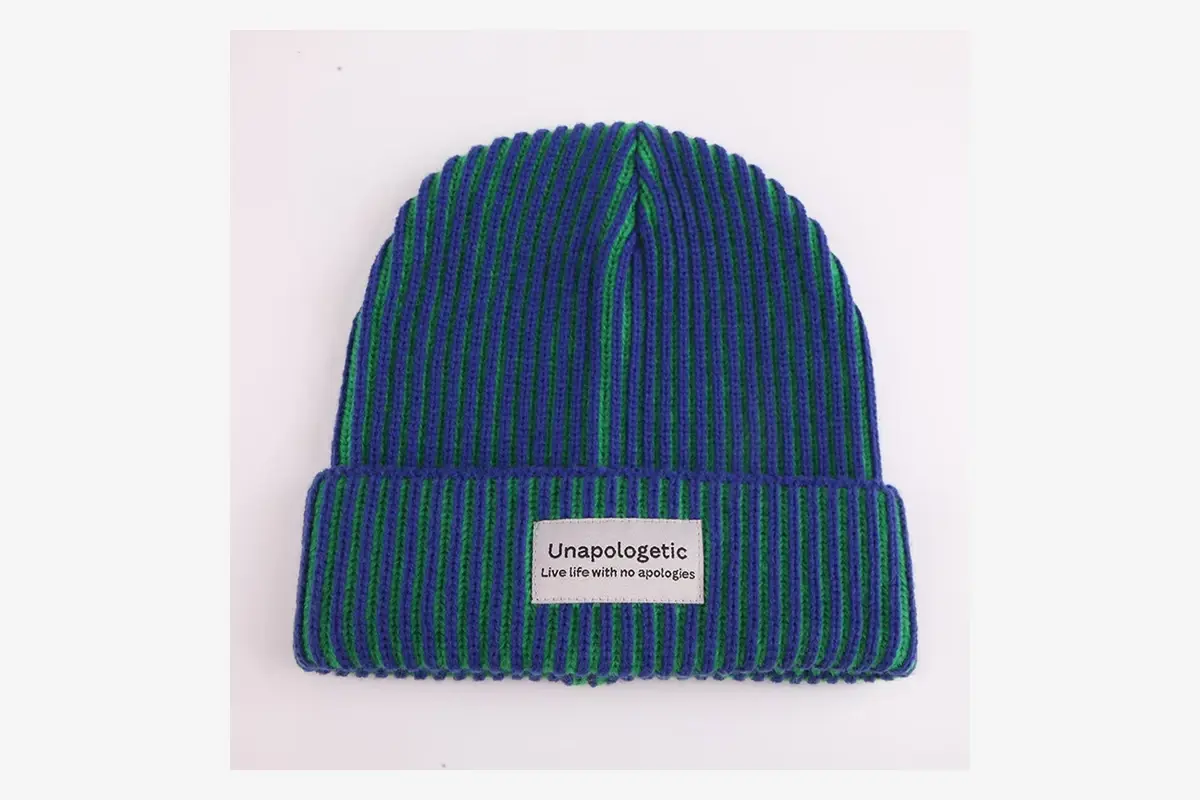
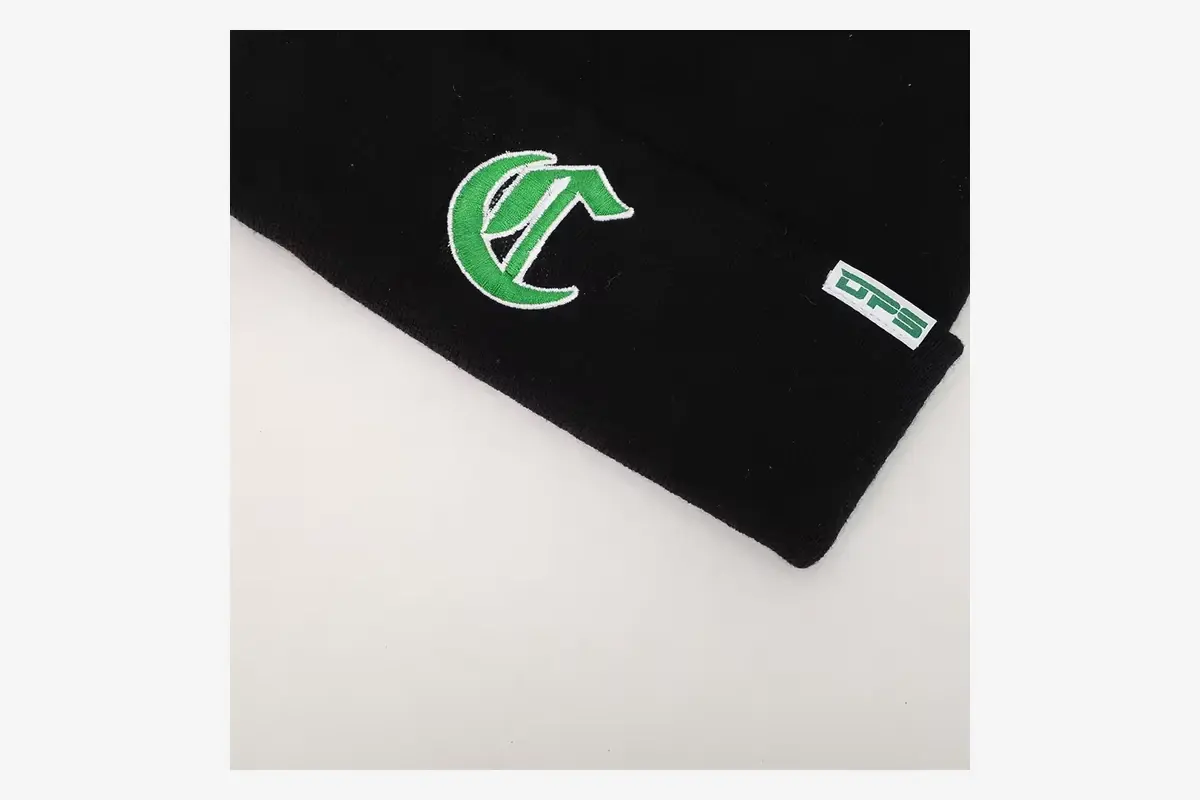
The main label usually identifies the brand. An information label may carry composition, care or other product details. A removable hangtag gives room for presentation and retail identification, but don't assume it replaces information that needs to remain with the product.
Decide where each piece will sit: inside or outside, visible or concealed during wear. Specify how it will be attached.
Review WiseBeanie's label and packaging options for those choices. Send the information you have to identify open wording or placement decisions before sampling.
Check the wording before the layout
Fiber information needs to describe the actual material. Base care instructions on the whole construction, including trims and decoration. Check origin and responsible-business information against the actual production and sales arrangements.
Headwear can be treated differently from other garments. In the United States, the FTC notes that hats generally fall outside the Textile Act's coverage, while hats containing wool are covered by the Wool Rules. Check the product and material using the FTC's textile and wool labeling guide, rather than copying a generic clothing checklist.
Other markets and retailer programs can differ. The responsible importer or compliance reviewer should confirm the final requirements before artwork release.
Give each component its own brief
| Component | Details for the factory |
|---|---|
| Main label | Artwork, finished size, fold and attachment position |
| Information label | Approved text, language, layout and readable size |
| Hangtag | Front/back artwork, material, size and attachment |
| Retail identification | Buyer-supplied item, color, size and barcode data where required |
Keep product data separate from the design file
Maintain one approved text record for each variation before placing the text into artwork. Include the actual composition, size description, care wording and any required business or origin information, with the responsible reviewer identified. Use that record when preparing each artwork version.
If several colors share the same label text, say which fields are shared and which vary. If sizes or compositions differ, give each version a clear identifier. Similar-looking layouts are easy to mix up when they are named only “final label.”
The same principle applies to translations. Decide which languages are required for the selling arrangement and have the final text checked before artwork release. A factory reproducing a supplied file is not the same as confirming that every translated statement is suitable for the market.
Proofread at two levels
First check the content: correct fiber statement, approved wording, item information and any required details. Then check its physical presentation: readable size, line breaks, orientation, folds and attachment.
Compare the approved text record with the artwork, then the artwork with the produced label. This catches two different errors: a design file that copied the wrong information, and a physical label that doesn't match the file.
For variable item information, at minimum check that each hat variation has its matching label or hangtag. Put the approved color and size matrix in the packing instructions so each hat receives its matching label.
Verify barcodes with the buyer's actual data
Where a barcode is required, the buyer or responsible retail system should supply the assigned data and specifications. A visually convincing barcode image doesn't prove that it identifies the right item or scans as intended.
Request a scan of the produced example and compare the decoded data with the approved item record. If retailer-specific verification is required, establish that requirement separately; a successful casual scan is not the same as meeting every retailer's barcode specification.
After any text or data correction, replace the affected artwork version and identify the superseded file. Send the replacement file to the teams ordering and attaching the labels.
Read it on the actual hat
A loose label won't show whether an edge irritates the forehead or neck, whether stitching shows through outside, or whether a hangtag pulls the knit. Check an attached sample.
Read every line at its printed or woven size. Folds, seams and attachment points shouldn't hide important information. Approve a new revision explicitly if the layout changes, and keep the final text, artwork and sample reference with the style. Revisit them when composition, care or market requirements change instead of automatically reusing the old files.
Related Guides and Factory Options
- Private Label Beanies: Plan Your First Order
- Review custom production options
- How Sampling and Production Work
Send your brand files, label text and packaging requirements. Tell us which components are ready and which need help with size or placement.
Discuss Labels and Hangtags