
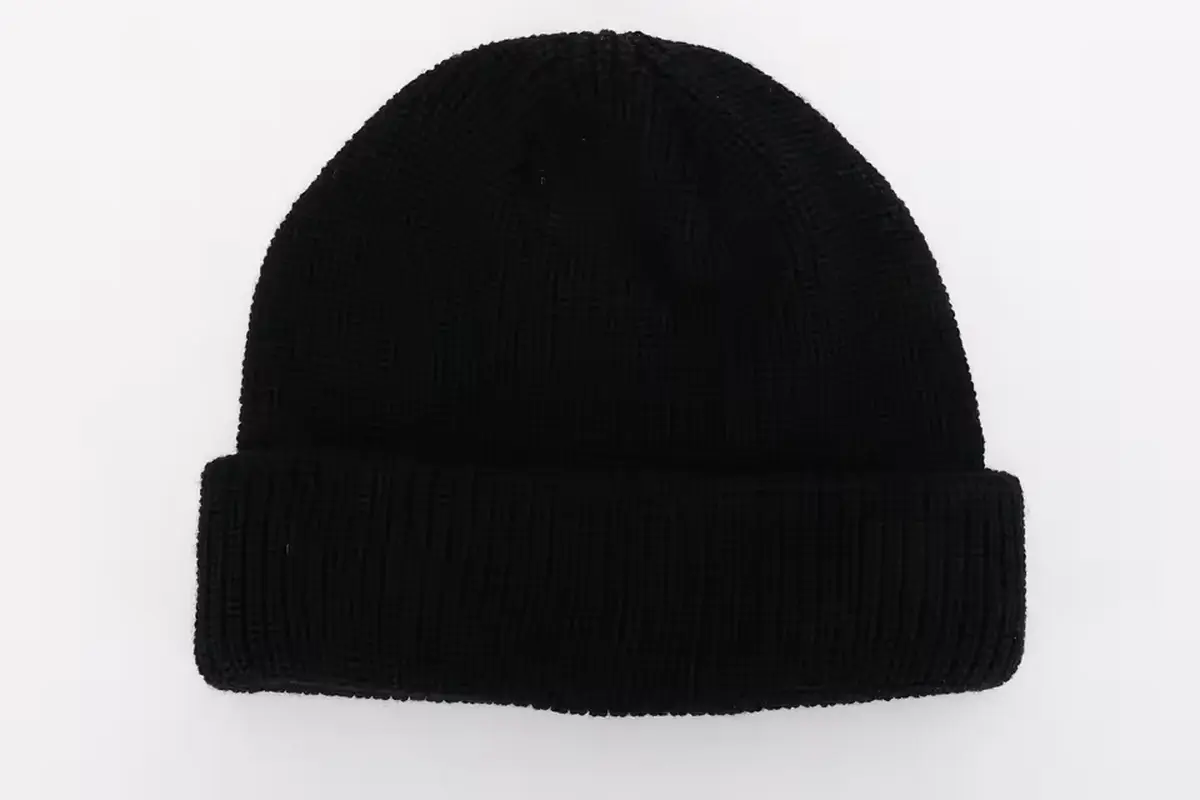
Choose the hat that suits your customers, intended use and care expectations, then compare complete samples.
Know what “wool” means on the quote
Acrylic is a synthetic fiber; wool is an animal fiber. But a hat described informally as a wool beanie may be all wool or a blend. Get the percentages before comparing prices or writing the product description.
List the body, lining and decorations separately. Wool in the outer body doesn't establish what's in an added lining or pom pom.
Handle both samples
Look at the surface, knit definition, cuff shape and color. Try each hat in the intended wearing position, then compare complete weight, crown dimensions and layers. If one is much thicker or lined, record that difference and decide whether it's part of the product you want.
“Wool” isn't a softness specification. Fiber diameter influences feel, as Woolmark's fiber guide explains, but the name alone won't tell you whether your customers will like a particular yarn.
Handle the proposed knit and wear the completed hat. Finishing, texture, seams and labels also contribute to comfort. Don't call either fiber universally softer based on a generic description.
Use your customer brief to choose the comparison
If customers are buying primarily for a particular shape and logo, ask for yarn alternatives that keep those visible features as comparable as practical. If material content is a selling point, give composition records and supported product wording more weight in the decision.
Write down the non-negotiable requirements before reviewing samples. For example, your brief may require a particular composition, an approved care method and a specified cuff shape. Compare feel and appearance among samples that meet those requirements.
Record the sample differences
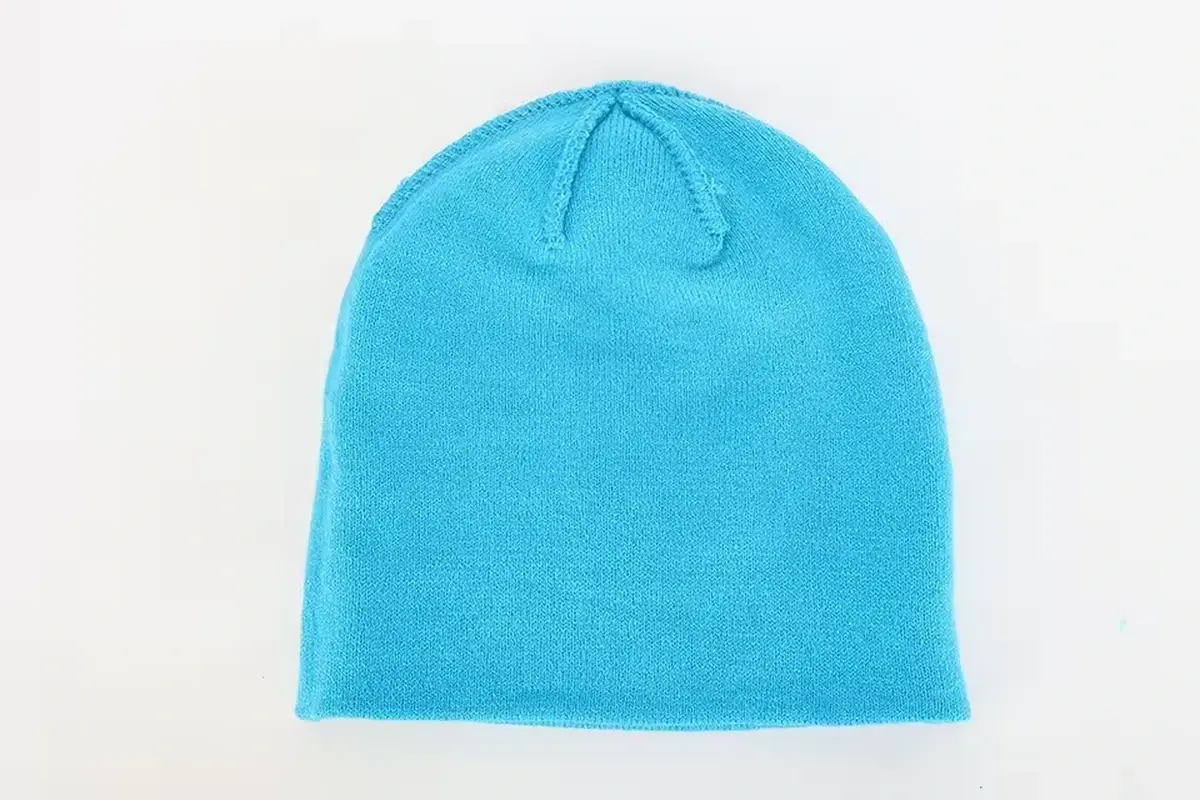
Give each sample an identifier and review them in the same session. Record fit and feel alongside the material details.
Note where each observation occurs. “The label edge is uncomfortable” and “the yarn feels uncomfortable at the forehead” point to different corrections. Likewise, a crown that sits too high is a fit observation, not evidence that one fiber is unsuitable.
| Observation | Useful follow-up |
|---|---|
| Sample feels heavy | Compare finished weights and whether construction differs |
| Opening feels tight | Check dimensions, layers and decoration before blaming the fiber |
| Surface looks different | Compare yarn reference, texture and finishing on the supplied samples |
| Care result is unacceptable | Record the procedure and measured or visible change |
Record initial and after-care results separately to see which requirements each sample meets.
What if the quotes use different constructions?
Ask what differs instead of comparing materials alone. You may still prefer one complete product, but the conclusion should be “this specification suits our range” rather than “all acrylic is better” or “all wool is better.”
If a closer comparison is needed, request another proposal with the important dimensions, layers and decoration held consistent. Confirm any new development charge before commissioning it. Don't assume a supplier can make every yarn behave identically in the same construction.
Care can change the buying decision
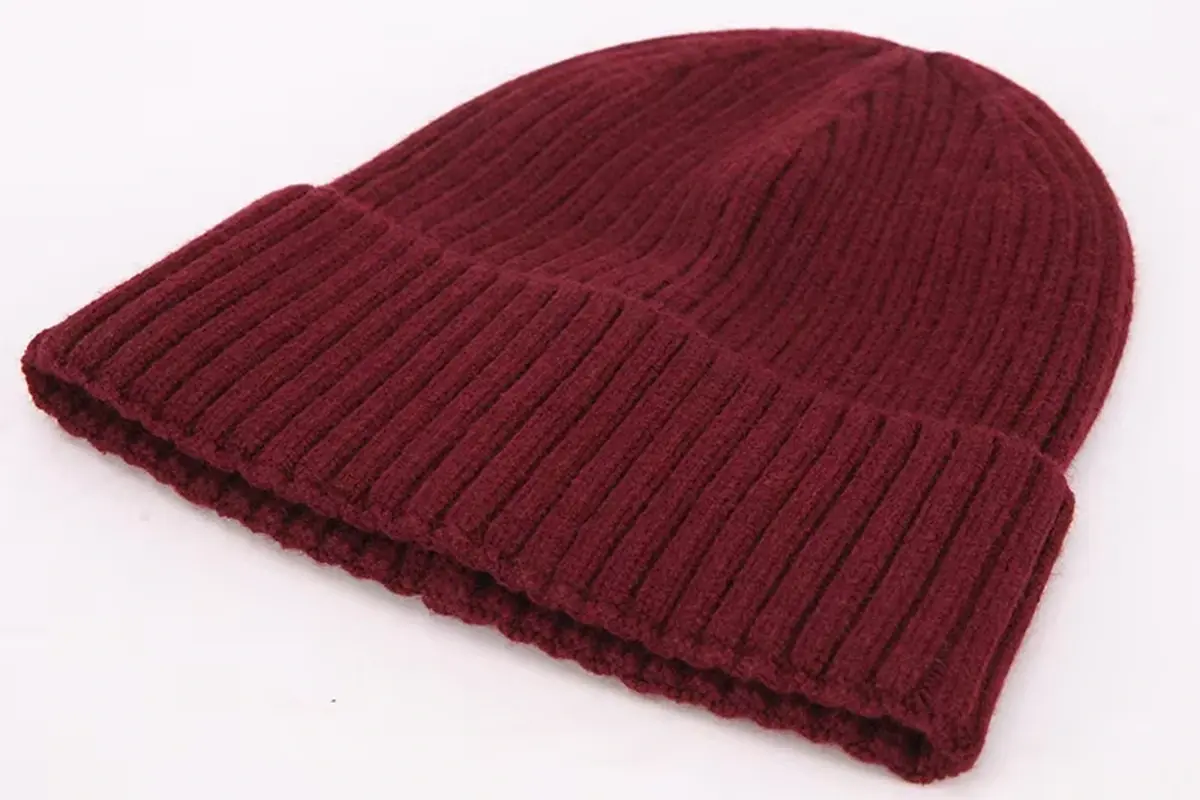
Check the care instructions supported for the actual hat. Don't copy them from another product simply because its headline fiber is the same. Yarn, finish, logo and other components need to be considered together.
Review a representative sample using the proposed care method before approving customer instructions. Composition alone won't establish a fixed warmth rating, resistance to pilling or suitability for every climate. If your range needs a particular performance claim, agree on how it will be assessed.
When comparing price, hold dimensions, decoration and packaging scope steady where possible. Otherwise you won't know how much of the price difference comes from the material.
WiseBeanie's acrylic and wool pages describe the options for a custom order. To request a sample comparison, explain the feel, construction and care expectations you want alongside the fiber content. That gives the factory a product brief it can work with.
Related Guides and Factory Options
Tell us your target feel, fit, care expectations and price range. We can review acrylic or wool options within a comparable beanie specification.
Discuss Beanie Materials