
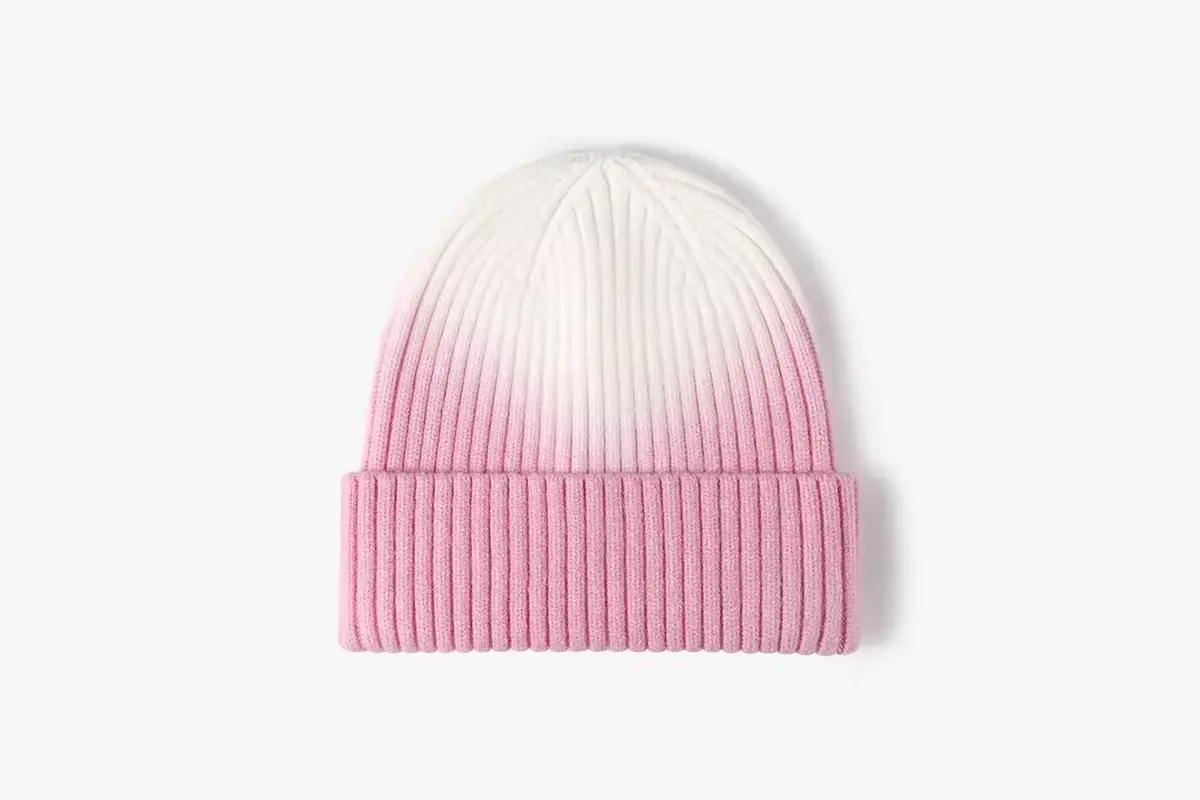
A cotton beanie brief needs to describe the construction and fit as well as the material. Yarn and knit structure affect weight, stretch and thickness; cotton alone doesn't settle those choices or show which season the hat suits.
Put a unit beside the weight
If you're comparing complete hats, ask for the finished article weight and state whether it includes the logo, labels, lining and other components. Fabric weight per unit area is a different measure from grams per hat. Don't transfer a number between the two fields.
Ask which measure is useful for the proposed construction, then record it consistently. A reference sample can help show the weight, feel and shape you have in mind.
For composition, state whether the yarn is all cotton or a blend, record the fiber percentages and list any lining separately. Establish the supporting information before approving a material claim for a hangtag or product page. WiseBeanie's cotton beanie options provide a starting point for that discussion.
A flat measurement won't tell you everything about fit
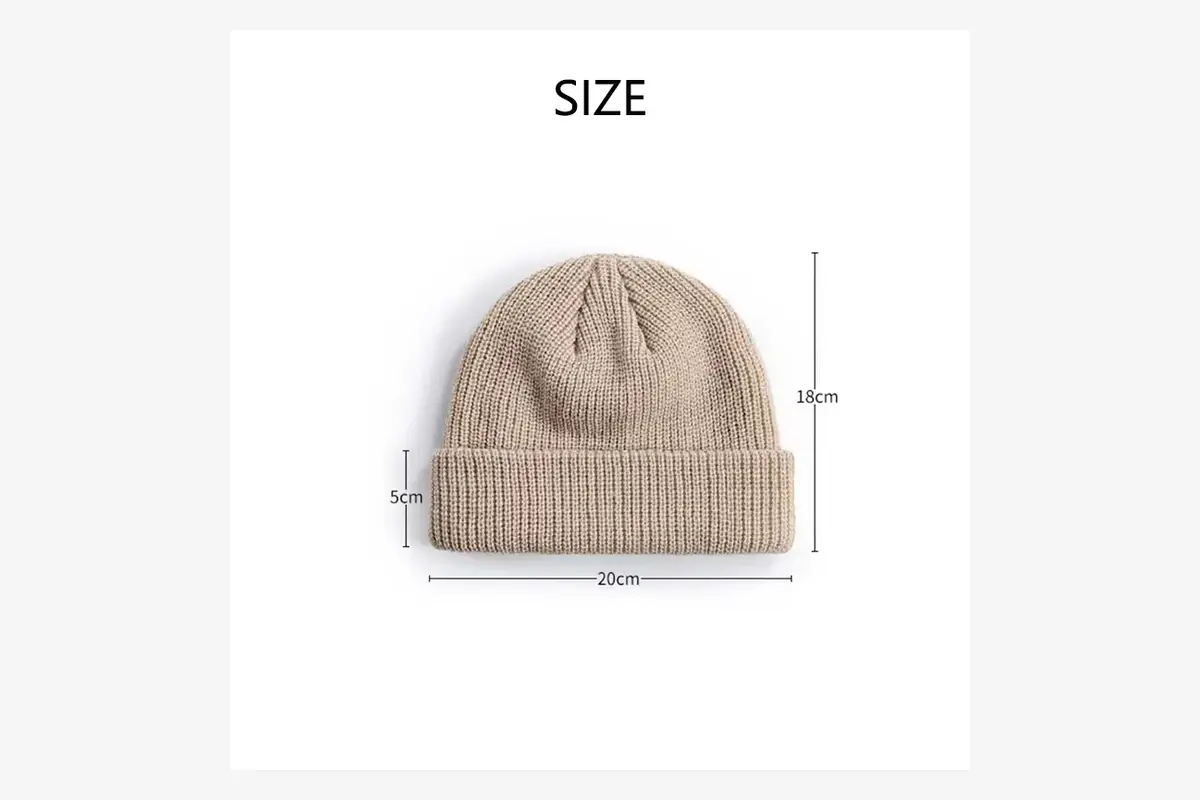
Measure the opening width with the hat relaxed and laid flat. Define the height measurement points and record the cuff position. Pulling the knit while measuring can give you several different sizes for the same sample.
Then try the completed hat on the intended wearer or agreed fitting form. Note pressure at the opening, ear coverage, room at the crown and how the opening looks after removal. Those observations tell you about comfort and recovery that a width number alone cannot capture.
Before approving the sample, review:
- The actual yarn and composition proposed for production.
- Texture and knit density against the brief.
- Complete hat weight against the agreed specification.
- Fit, including unwanted pressure or looseness.
- Opening recovery after the agreed wear check.
- Size and appearance after the supported care procedure.
Agree on the check methods and acceptance limits before bulk production. One successful fitting doesn't support a universal “one size fits all” claim.
Record dimensional change instead of guessing at shrinkage
For cotton knits, the finished dimensions depend on more than the fiber name. CottonWorks discusses the role of product specifications, processing and finishing in dimensional stability. Review your actual sample rather than assign every cotton hat the same shrinkage allowance.
Use the agreed care procedure and measure the same points before and afterward, under the same measurement conditions. Record the opening width and height separately. A single “shrunk” comment doesn't say which dimension changed.
For a simple internal calculation:
Dimensional change (%) = (after-care measurement − original measurement) ÷ original measurement × 100.
If an illustrative flat width changes from 22 cm to 21 cm, the change is about −4.5%. This is a calculation example, not a WiseBeanie tolerance or expected result. Agree the product's test method and acceptance limits separately.
A care review should also record cuff shape, twist, visible surface changes and the appearance of the logo or label. A width that stays within its limit doesn't automatically mean the whole sample passes.
Compare opening recovery without changing the procedure
If recovery after wear matters, define a repeatable development check with the supplier. Use the same fitting form or wearer conditions, wear period and resting period for the samples being compared. Record those choices. A casual check can help development, but it is not a standardized laboratory stretch test.
Measure the relaxed opening before the check and after the agreed rest. Keep the observation separate from head circumference. Measure without stretching the opening.
If the result isn't suitable, send both the measured change and the wear observation. “The opening looks wider after this review” is a different issue from “the original fit was too loose.” The factory needs to know which one you observed before proposing a yarn or construction change.
Translate “lightweight” into a sample decision
Choose an approved reference rather than relying on the adjective. Weigh complete samples on the same basis and compare their coverage and hand feel as well as the number. If one is lighter because it has a shorter crown or no lining, identify that difference.
Record the approved weight and construction together. If you want one sample's weight with another's shape, ask the factory to assess that combination before approval.
Cotton content alone also doesn't prove suitability for every warm-weather or sensitive-skin use. Keep the retail description tied to the actual construction and verified claims. When you send your fit and weight priorities, include a reference sample if it explains what you want better than the description does.
Related Guides and Factory Options
Send your target weight, measurements or a reference sample. Explain the feel and fit you want so we can review the yarn and construction together.
Discuss Cotton Beanies