
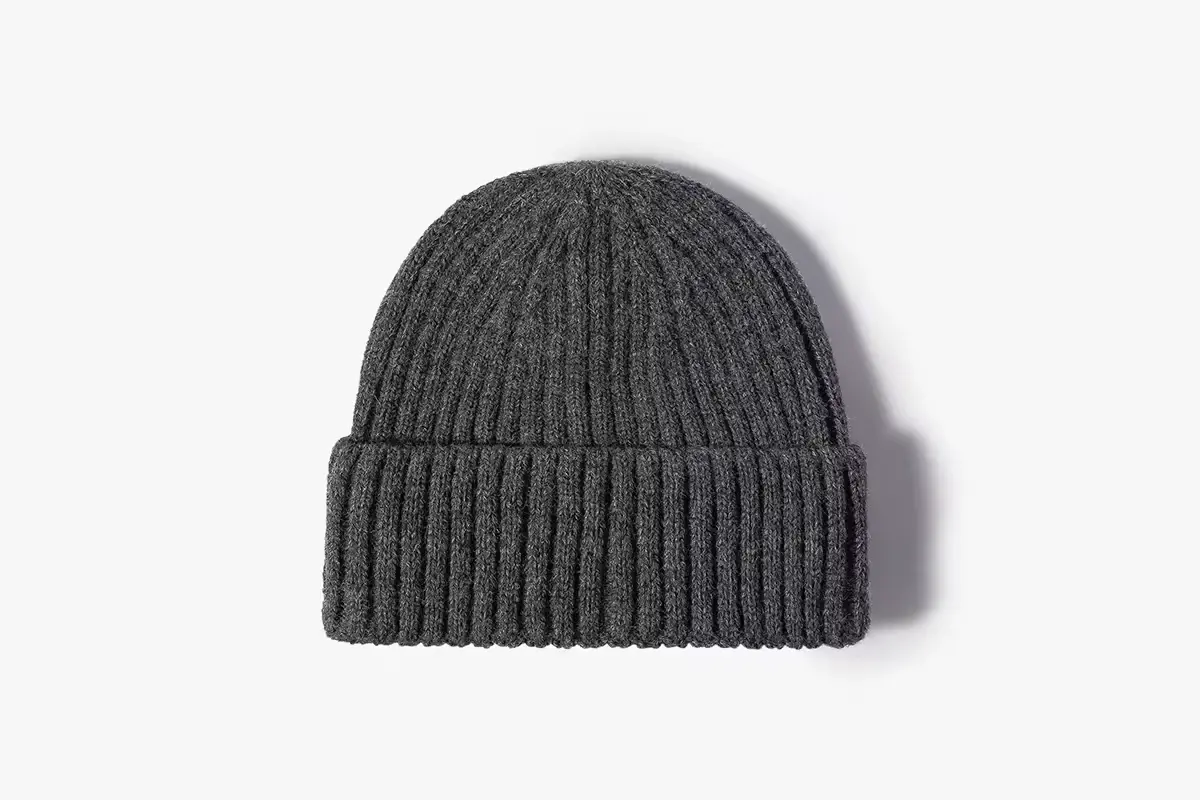
For a custom order, use the style name as a starting point, then specify the crown height, cuff depth, opening width and wearing position you want.
Fisherman: how much coverage?
A fisherman reference usually suggests a shorter shape with little excess fabric at the crown. It's often styled higher on the head, sometimes above the ears. Specify the coverage and check it on the sample.
If you want the ears fully covered, say so. A side-view reference gives the factory a clearer target than “short, but not too short.” The fisherman collection provides shapes to discuss, rather than a single fixed fit.
Cuffed: the fold is only one measurement
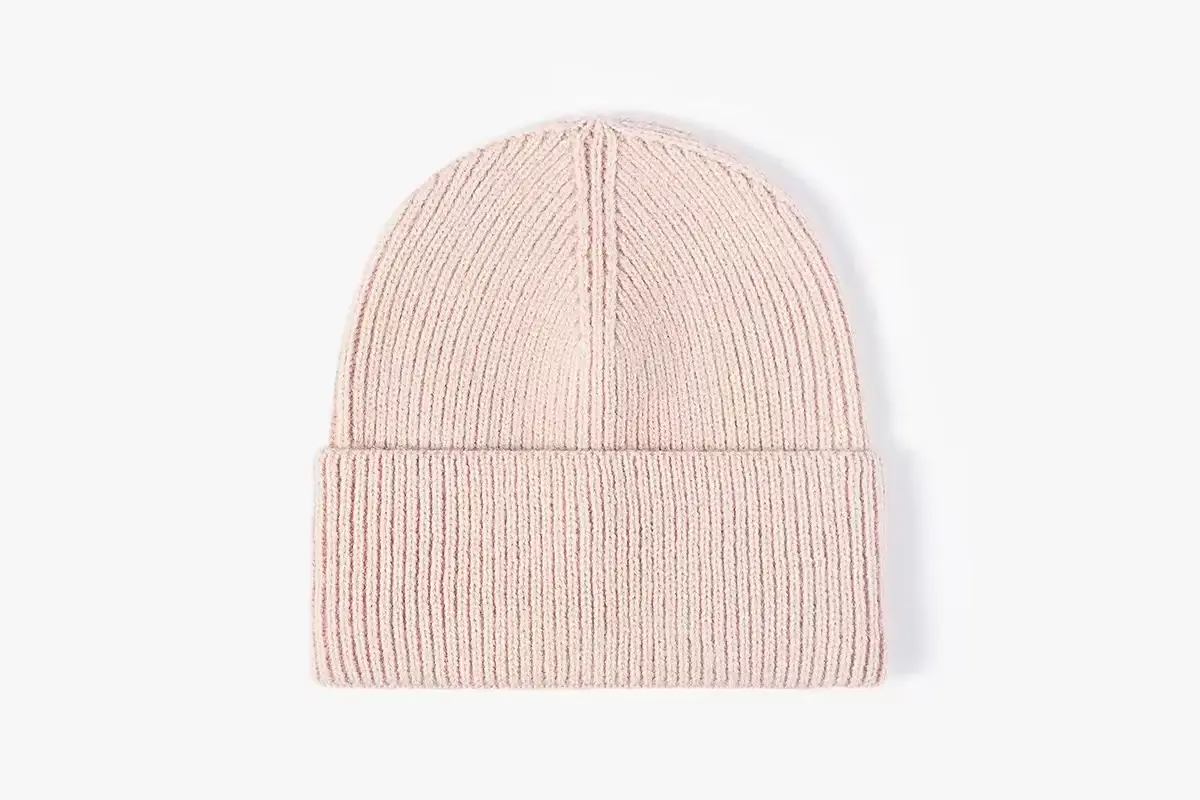
A cuffed beanie has a turned-up lower section. Crown height, opening dimensions and cuff depth still need decisions.
Consider the logo or patch when choosing cuff height. The fold creates the visible branding area; changing it changes both the silhouette and the decoration's position. State whether the fold is intended to stay fixed.
Slouchy: where should the extra fabric sit?
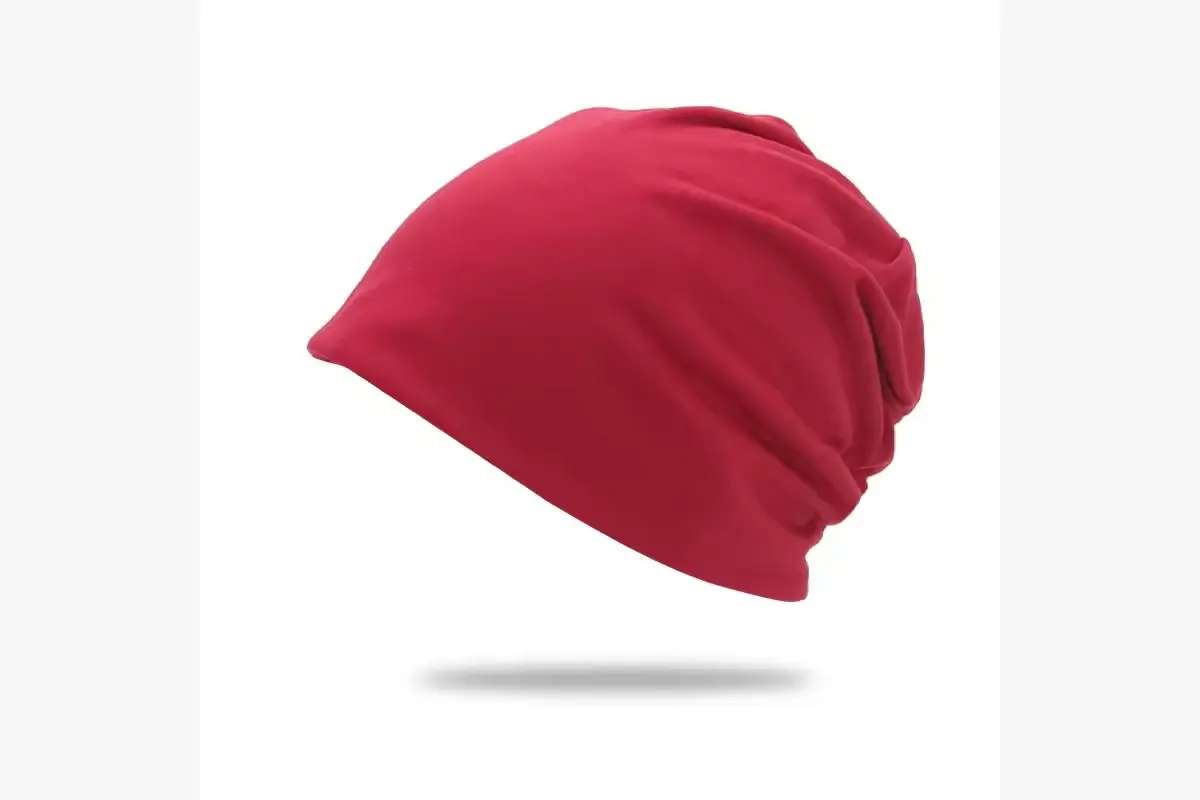
A slouchy design has extra crown volume intended to sit or drape behind the head. Dimensions matter, but so do material and construction. Adding height alone may not reproduce the drape in a reference photo.
Check where the extra fabric falls on the worn sample. A small fold at the back, a taller relaxed crown and a larger oversized shape are different requests. The slouchy collection can help you show which effect you mean.
For the brief, include front and side views of the intended worn shape, the cuff depth, relaxed opening dimensions and fit expectations. Mark branding on that finished shape as well.
Check the opening and crown separately
Opening fit and crown volume are related in the finished hat, but they describe different problems. A hat can grip comfortably at the opening while having too much fabric above the head. Another can have the right crown shape but feel tight at the forehead.
Describe these separately in sample feedback. “Less slouch” should identify whether you want less rear drape, a lower crown or a different wearing position. “Larger” should identify whether the opening is restrictive or the coverage is insufficient. Otherwise a revision may change a dimension you already liked.
Include a relaxed measurement sheet and worn reference photos so the factory can compare dimensions with the intended silhouette.
Compare the styles without changing the styling
Use the same person or fitting form under comparable conditions and fold each cuff to the agreed height. Front and side photos will make differences in coverage and crown volume easier to see.
If one photo shows a fisherman hat perched high and another shows a cuffed hat pulled down, the images mix design differences with wearing differences. Ask the reviewer to use the intended position for each style and record it. You can also compare how each responds to a different position, but record that separately.
Keep the cuff fold visible in the side photo. A deeper fold reduces the visible part of the hat and changes the branding area; a shallower fold can make the same hat look taller. If the collection depends on a specific silhouette, specify the approved fold rather than leaving it to the person preparing the photo.
For a slouchy sample, show where the surplus fabric falls at the back. A front photo may look acceptable while hiding a shape you don't want. For a fisherman sample, the side view should make the intended ear coverage clear.
Turn feedback into the next sample request
Instead of “the fit is wrong,” describe the observation and the part to preserve. For example: “Opening comfort is acceptable. The crown has more rear volume than the reference; please review that volume without changing the approved opening fit.” Ask the factory whether the crown can be revised while retaining that opening fit.
Ask the factory to identify the proposed changes and any related effects. Check the next sample against both the original complaint and the approved features. Check opening comfort again after any crown revision.
Related Guides and Factory Options
- How to Measure a Beanie for a Custom Order
- Review custom production options
- How Sampling and Production Work
Send a worn reference and explain the coverage and crown shape you like. We can develop the dimensions for your chosen silhouette.
Discuss Your Beanie Fit