
Start with the date the beanies must be ready to sell or hand out. Allow time for receiving and distribution before setting the required arrival date.
Plan the range as a whole
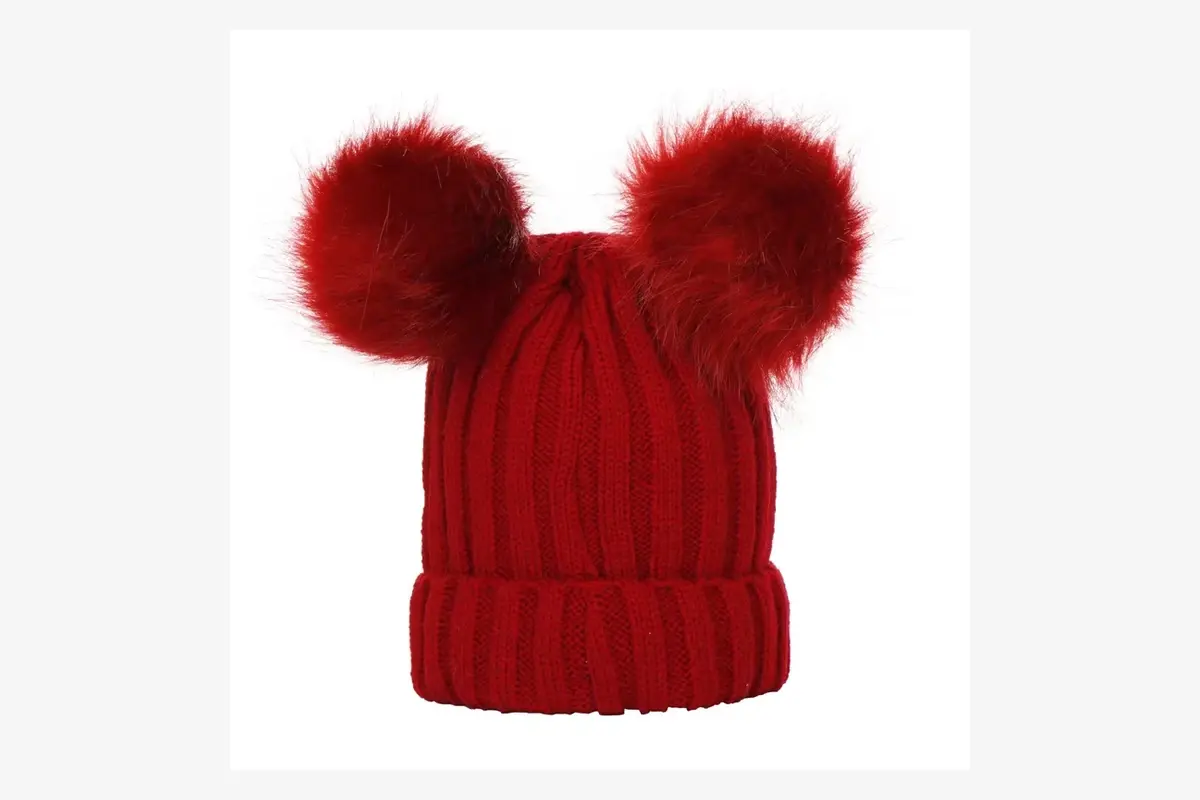
List designs, colors, sizes and quantities, marking which products are essential to the launch and which are optional. Knitted-in patterns, embroidery, pom poms and electronic components may raise different development questions.
Send the full assortment so the supplier can review the range's schedule. Don't use the simplest hat's sample timeline for every design.
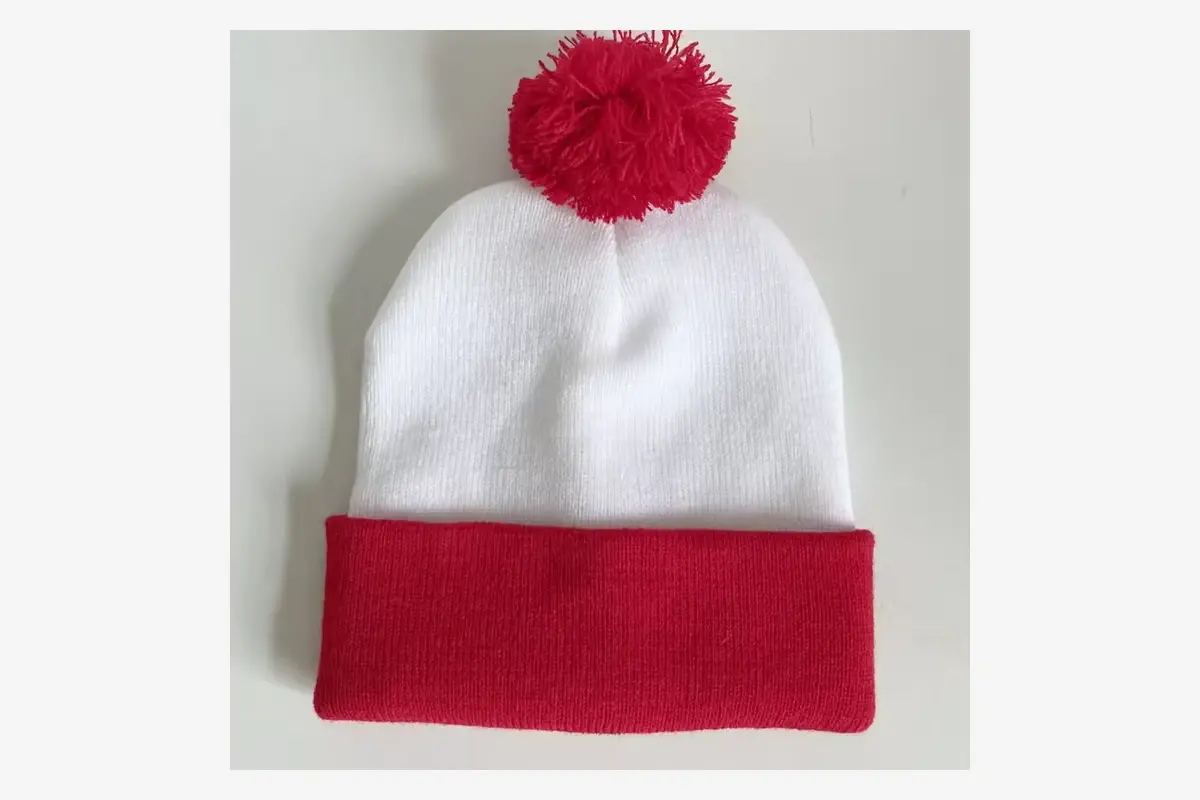
The Christmas beanie collection provides starting points for the design list. Send that list with your required arrival date before the sales plan depends on a schedule that hasn't been checked.
Work backward through these dates
| Milestone | Allow for |
|---|---|
| On-sale date | Receiving, checking and distribution beforehand |
| Required arrival | Transport and destination handling |
| Shipment release | Inspection, corrections, payment and packing readiness |
| Bulk completion | Confirmed estimate for the actual order |
| Production start | Order acceptance, written approvals and deposit |
| Sample approval | Physical review and possible revisions |
| Design freeze | Final artwork, colors, components and specifications |
WiseBeanie's usual bulk estimate is 15–20 days after order acceptance, written approval of the sample and final specifications, and receipt of the required deposit. Materials, quantities, construction, packaging and scheduling can change that estimate. Sample development and shipping need additional time.
Set a deadline for artwork approval
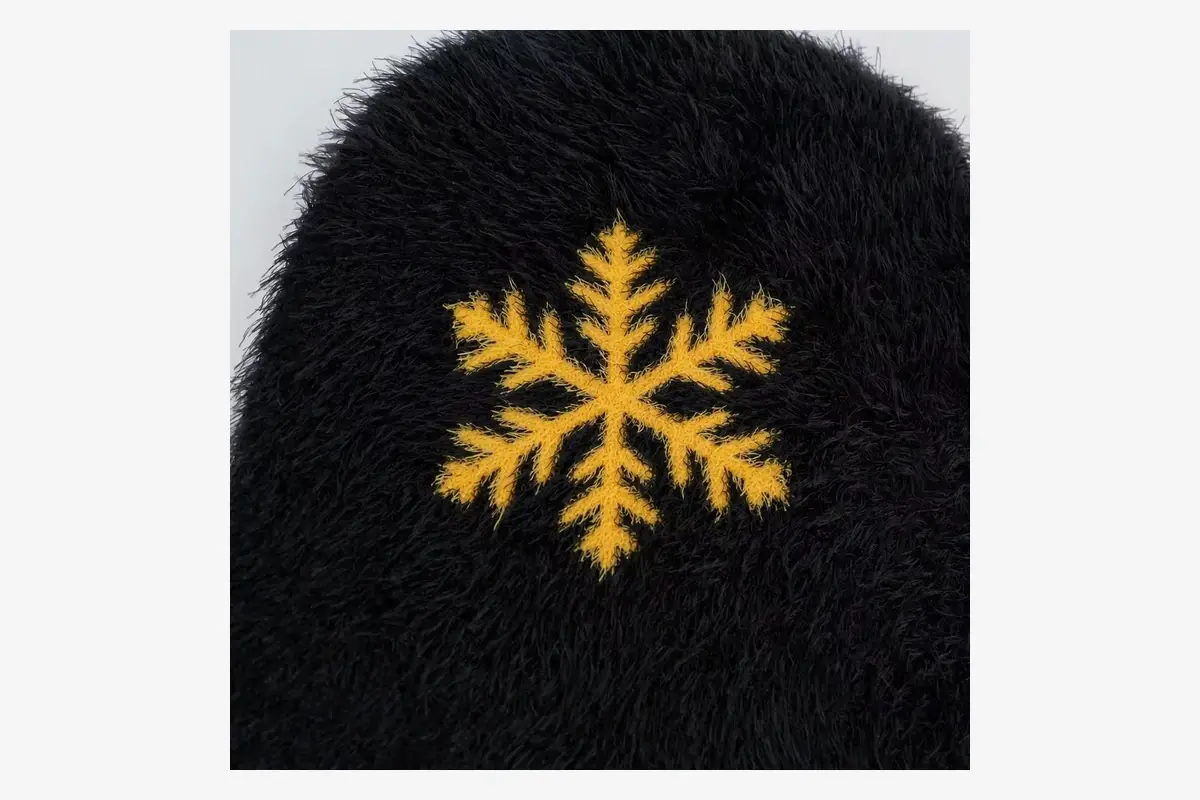
Give seasonal motifs the same review as other artwork: small lettering, repeats, crown placement and the visible cuff. Name the person authorized to approve the design and set a response date for the physical sample. If color or artwork changes later, request a revised timetable; more than one component may be affected.
Use decision deadlines, not just a final delivery date
Ask for the latest dates by which artwork, sample feedback and production release need to be settled for the proposed schedule. Assign each deadline to the person responsible. Give the design team the artwork deadline as well as the launch date.
Keep a preferred arrival date and a latest useful arrival date separate. The preferred date may leave room for receiving and distribution; the latest useful date identifies when the order no longer serves its intended purpose. Tell the supplier which date is which, so a missed preferred date isn't taken as acceptance of later delivery.
If a milestone slips, request an updated schedule before approving the next cost. Ask which remaining activities are affected and what options are actually available. Don't assume the factory can remove sample review, inspection or transport time to recover a delay in artwork approval.
Decide how to handle a late style in the assortment
A collection may include one design that is ready and another still under revision. Discuss the choice for the full assortment: wait for everything, revise the range, or investigate separate releases if feasible. Each choice can affect packing, transport, cost and the launch presentation.
If separate releases are feasible, confirm their charges, quantities and shipment identification before approval. Send the plan to the receiving team.
For optional styles, decide in advance what would make you omit or postpone them. That keeps an experimental detail from controlling the entire range's timing. Update the order quantities and artwork release records to reflect any change.
Recheck the selling plan when the product changes
If a late substitution is proposed, ask which customer-facing details it affects. A different trim, material or component may require another sample decision, revised care wording or a change to product photography. Moving the factory date forward doesn't help if the delivered product no longer matches the approved sales material.
Keep one current record of the final range, packaging and schedule. When a design is removed or revised, update the people handling purchasing, marketing and receiving. Replace superseded product images and descriptions before the launch.
Allow a separate review for LED styles
Settle the intended wearer age range, power source, operation, attachment, care instructions and documentation early. Confirm whether batteries are included and whether any components are designed to be removed. These choices affect the product review and shipping requirements.
For products using button or coin cells in the United States, consult the applicable requirements in the CPSC's battery guidance. Assess the actual component configuration and destination requirements before approving the product. Ask the carrier or forwarder about transport requirements for the actual battery configuration.
Keep agreed milestones and open assumptions in one written schedule. An arrival estimate remains an estimate unless an event-delivery guarantee is expressly agreed in writing.
Related Guides and Factory Options
- Custom Beanie Lead Times: Plan Through Delivery
- Review custom production options
- How Sampling and Production Work
Send your range, quantities, destination and required arrival date. Identify any LED styles or special packing so those requirements can be reviewed early.
Discuss a Christmas Beanie Order