
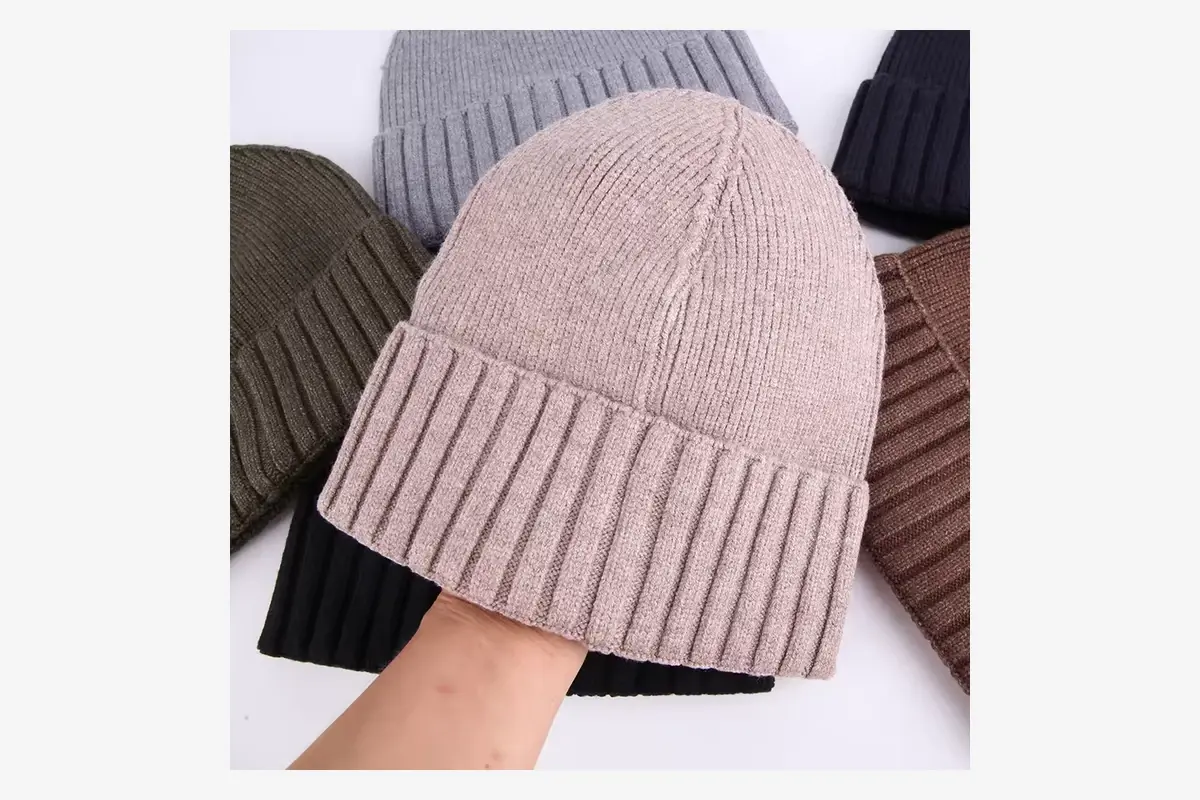
Identify the accepted sample version, final specifications and any unresolved details in your approval. Review the complete hat first. Photos can record the result, but can't replace handling and wearing the sample when feel and fit matter.
Review the right sample
Note the style code, sample version and date received. Keep the matching specification and artwork beside it. Label different yarn or fit options before discussing them.
A plain fit sample can answer a sizing question. It can't approve a patch, lining or decorated cuff that hasn't been added yet.
Measure it, then put it on
Use the agreed flat, relaxed measurement method and record the values, not just “pass.” Fold the cuff to the intended height and wear the hat in the planned position.
Check opening pressure, crown coverage and excess fabric. For a lined style, assess the inner and outer construction together. A hat can meet its flat-width specification and still feel wrong if the lining or decoration changes how it stretches.
| Area | Record during the review |
|---|---|
| Color | Reference, viewing conditions and acceptance decision |
| Knit and seams | Texture, crown shape, joins and visible workmanship |
| Logo | Finished size, readability, direction and position |
| Labels | Text, attachment and comfort against the wearer |
| Packaging | Version, fit and required identification |
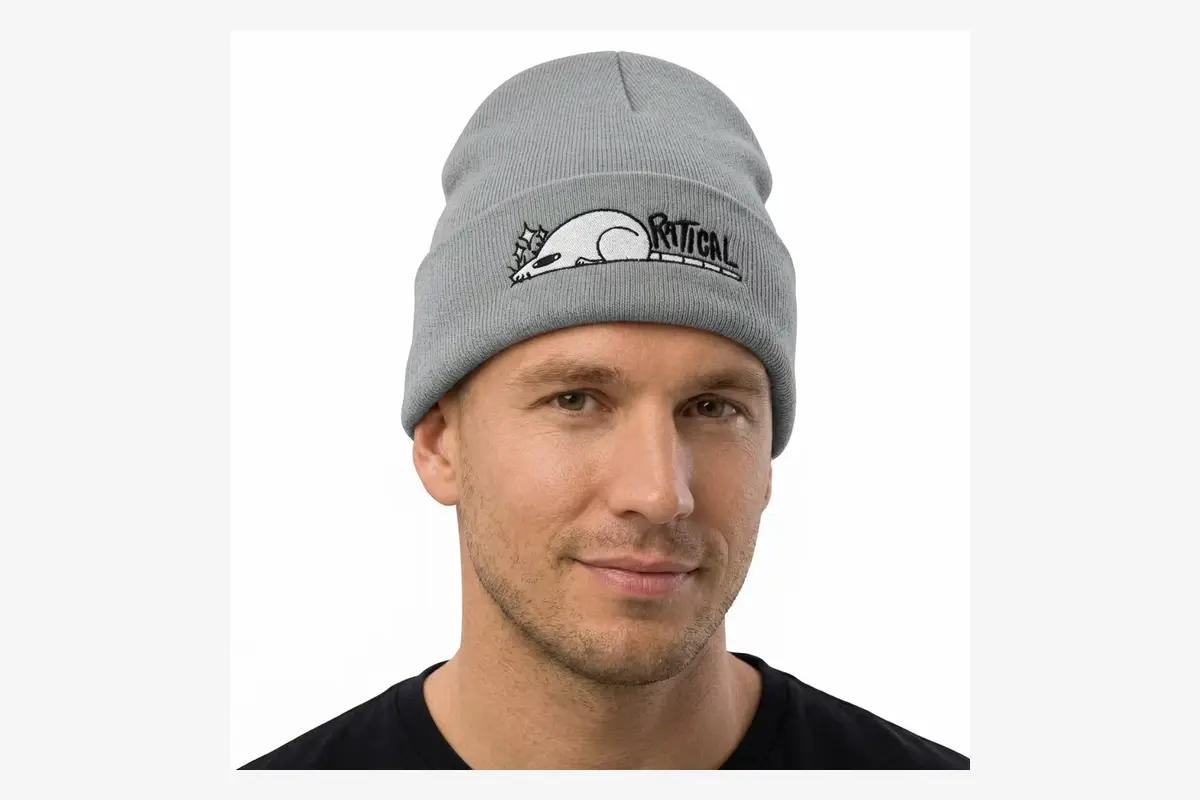
Check the logo while wearing the hat. A different cuff fold can make a centered design look misplaced. Small lettering may become harder to read as the knit stretches.
Send one change list
Name each change and its location, with a marked photo where useful. “Reduce the cuff height to the revised drawing” gives the factory something to act on; “make it less bulky” leaves it guessing. Update the technical document if a measurement changes.
WiseBeanie's first two sample revisions are free under the current business terms. Later revisions are charged by project. Confirm the scope and timing impact in writing before another round. You can send your sample comments together for a consolidated response.
Separate an observation from the requested correction
“Too tight” describes a reaction, but it doesn't identify the feature causing it. Note where the pressure occurs, the cuff position and whether the sample is lined. Include the measured opening width using the agreed method. These details let the factory review the issue without guessing what “bigger” means.
A useful comment has three parts: what you observed, the reference it differs from, and what you want reviewed. For example: “The cuff covers the lower part of the logo at the intended fold. See the marked front photo and placement drawing R02. Please review the placement; the approved logo size should stay unchanged.” Use the drawing and sample references for your own order.
Avoid prescribing several untested corrections at once. Increasing the opening, shortening the crown and changing the lining together may solve one complaint while making it difficult to identify which change helped.
Use three distinct review decisions
| Decision | What the message should make clear |
|---|---|
| Accepted detail | The feature and sample version being accepted |
| Revision required | The observed issue and the replacement evidence needed |
| Not yet reviewed | The missing component or test and who will review it |
Mark missing labels or packaging as “not yet reviewed.” Approve the complete sample separately; accepting its color does not authorize production while the fit remains unresolved.
Decide when another physical sample matters
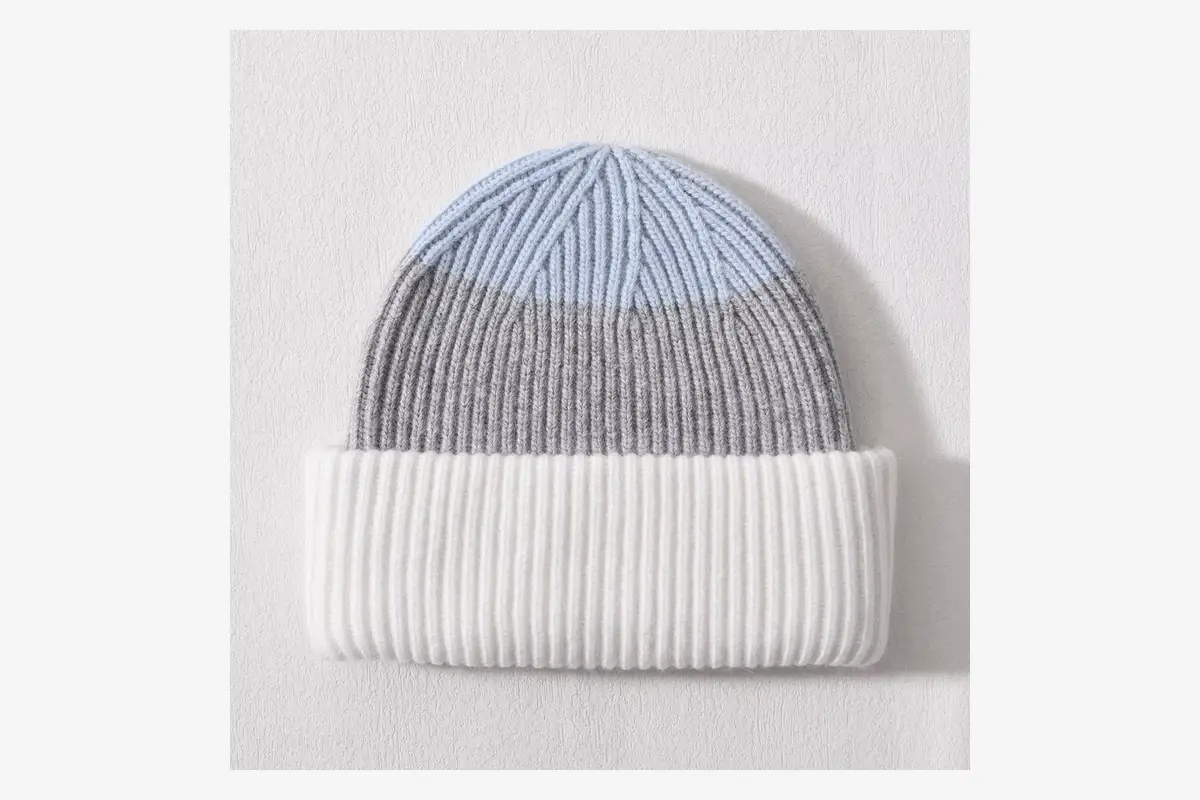
A correction visible in artwork may sometimes be reviewed as an artwork change, but a change affecting fit, feel, construction or how components sit together may need a replacement physical sample. Agree with the factory whether each correction needs artwork, photographs or another physical sample.
When the replacement arrives, check the requested correction and the features it may affect. A new cuff height, for example, also requires another look at the finished silhouette and logo placement. Keep the old sample labeled as superseded so it is not sent back to production as the controlling reference.
Keep one unchanged approved reference where practical. If you use a sample for a wear or care review, identify it separately and record the procedure. You need to know whether a later difference is a production discrepancy or a change caused by your own review process.
Put the approval in writing
When you're ready to approve, state the sample version and final specification revision. Write out any remaining conditions instead of leaving them buried in earlier messages. Under the WiseBeanie production process, bulk work follows order acceptance, written approval of the sample and final specifications, and receipt of the required deposit.
Related Guides and Factory Options
Send the current reference, measurements and design requirements. We will agree on the sample scope and the details to check before production.
Discuss a Beanie Sample