
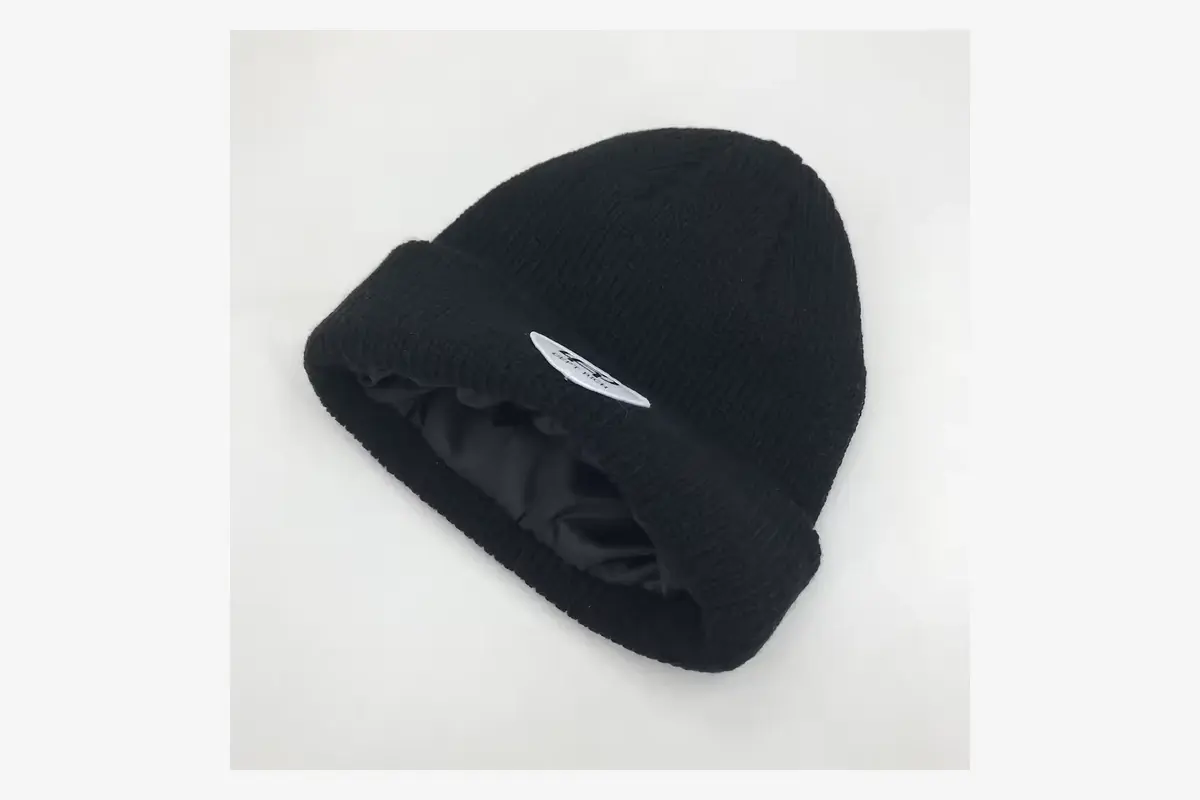
Agree on the inspection scope and the handling of discrepancies before the goods are ready to ship. Give the inspector the sample version, specification revision, color references, artwork, label text, quantity breakdown and packing instructions. Include any exceptions agreed during development.
Make the approved sample or a properly agreed alternative available to the inspector before inspection begins.
What should be checked?
| Area | Examples |
|---|---|
| Quantity and assortment | Pieces by style, color and size against the order |
| Measurements | Agreed points, methods and tolerances |
| Appearance | Knit consistency, stains, holes, joins and crown shape |
| Branding | Artwork version, dimensions, direction and placement |
| Components | Labels, pom poms, patches and agreed attachment checks |
| Packaging | Packs, identification, carton contents and packing list |
Look inside the hat too. A seam or label can affect comfort even when the front view looks correct.
WiseBeanie's process includes incoming, in-process and final checks, with support for agreed third-party pre-shipment inspection. The factory information describes those stages. Send your inspection requirements with the initial brief so they can be considered before production.
Be specific about sampling
Will all pieces be reviewed, or a sample of the lot? Who selects the pieces, and how will colors and sizes be represented? If using a formal sampling standard, name the standard, plan and acceptance criteria. “AQL inspection” on its own leaves those decisions open.
Sampling doesn't prove that every item is defect-free. Report results in terms of the agreed plan and the checks actually performed.
Define an issue in terms of the approved requirement
An inspection record should separate the requirement, observation and decision. For example, compare the measured position on an identified piece with the approved placement drawing. Acceptance depends on the agreed tolerance and any written exception, not the inspector's personal preference.
For appearance issues, use the approved reference and agreed defect descriptions where available. If buyer and supplier have not defined a borderline cosmetic condition, agree on its classification rather than apply a new standard after production.
Some observations, such as an incorrect label version or wrong color quantity, can be checked against the order immediately. Others may need technical review or a defined test. Record each open question instead of grouping unrelated issues as a “quality problem.”
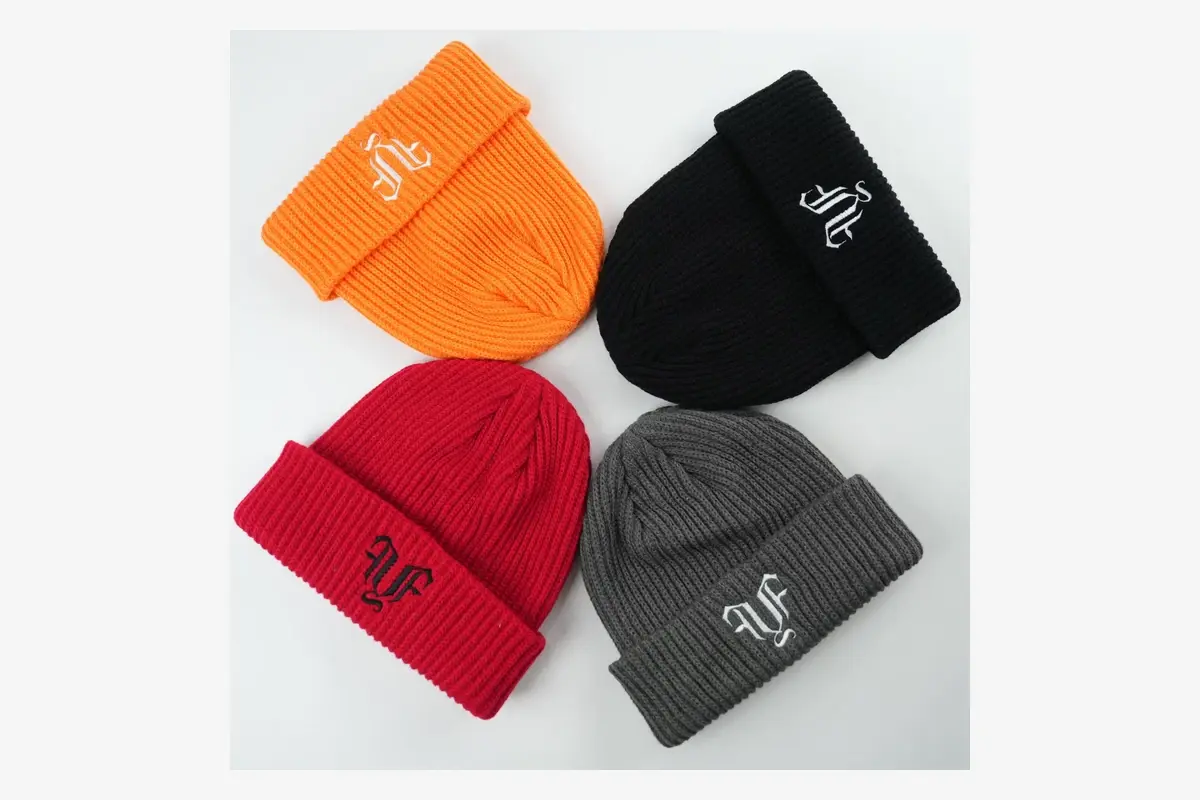
Keep the inspection tied to the actual shipment
Identify the goods that were available for inspection and whether the full order was complete. Record the relevant styles, colors, sizes and cartons. If only part of the order was presented, the report should not imply that unexamined goods were covered.
Where sampling is used, have the selection made according to the agreed plan rather than relying on a few specially prepared display pieces. Record which lot the selected pieces came from and keep the findings with the inspection report.
After correction or repacking, decide what needs rechecking. If the work can affect labels, assortment or carton contents, rechecking only the original cosmetic defect may leave the final packing unverified.
Give unresolved findings an owner
For each issue, name who will answer it, the evidence needed and the decision that controls release. A correction photo may answer an appearance question; another issue may require a physical recheck or test result. Agree on the evidence for each issue.
Keep the original finding, the proposed correction and the recheck result together. If a buyer accepts a documented exception, identify the scope of that acceptance; it should not silently become the specification for future orders.
Record whether the shipment is released, held for correction or awaiting a decision, with any remaining conditions visible.
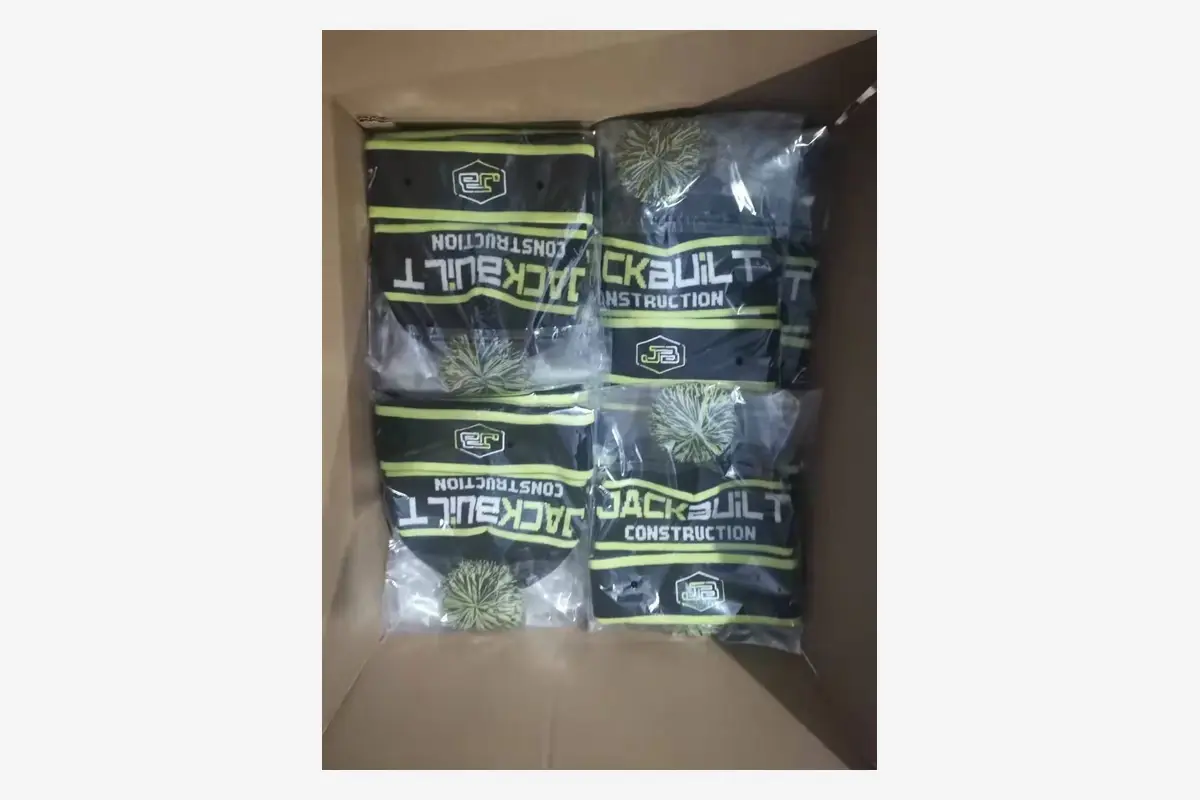
A finding needs a location and a decision
Photograph each issue with the item identified and its location clear. Add a measurement scale where relevant. State the inspected sample or quantity in which it was found, and distinguish a repeated issue from an isolated observation.
Agree on corrections, rechecks and release in writing. “Approved except for the problems discussed” is unclear unless the problems and required work are recorded.
Inspection completion is one part of shipment release. Corrections, payment conditions and dispatch arrangements also need to be settled through the order process. Record the remaining actions and who is responsible before dispatch.
Related Guides and Factory Options
- How to Approve a Custom Beanie Sample
- Review custom production options
- How Sampling and Production Work
Send your quality requirements and any third-party inspection plan with the brief. We will confirm how the approved sample and specifications guide production checks.
Discuss Your Production Requirements