
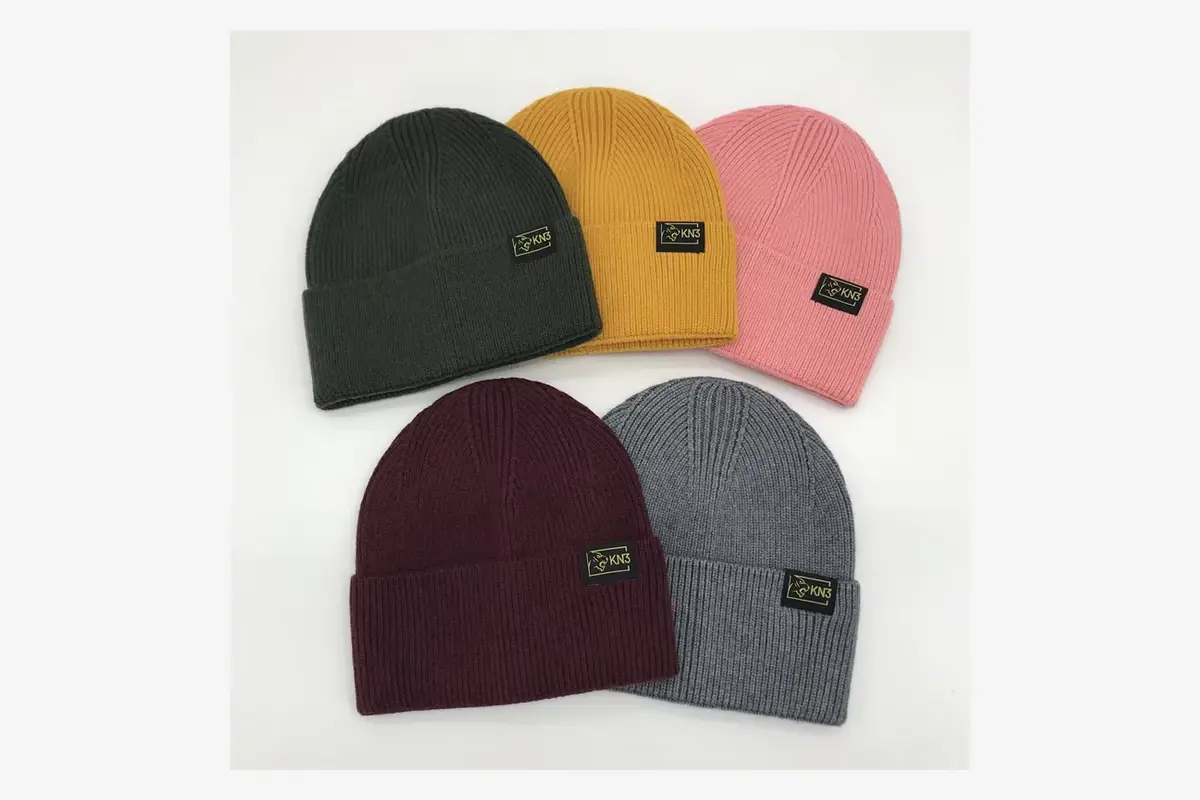
A lighter construction, a different logo method or packaging charged separately can explain the gap between two beanie quotations. Compare both quotes against the same specification before deciding which offers a better deal.
Give suppliers the same starting point
Send each supplier the same drawing, quantity breakdown and artwork, and name the document revision. Ask them to flag substitutions instead of pricing a different specification without explanation.
If the yarn is undecided, request separately named options. “Wool beanie” on one quote doesn't tell you enough to compare it with a quote that gives fiber percentages and a yarn reference.
| Compare | Look for |
|---|---|
| Hat body | Composition, dimensions, knit structure and layers |
| Decoration | Method, size, colors and placement |
| Labels and packing | Included components, artwork and carton requirements |
| Quantity | Pieces by style, color and size |
| Development | Sample, setup and revision charges |
| Production | Starting conditions and estimated completion |
| Delivery | Named destination, responsibilities and exclusions |
| Payment | Deposit, balance and release conditions |
Leave a cell blank if the supplier hasn't answered; your assumption could hide a difference between quotes.
Compare the order total as well as the unit price
Separate development charges from per-piece costs where relevant. Some preparation work may be treated differently on a reorder, but don't assume the charge disappears automatically.
Normalize prices without hiding missing costs
Suppose two quotations use the same currency and claim to cover 200 hats to the same delivery point. In this illustrative calculation, Quote A lists $5.80 per hat, $80 development and $160 delivery: $1,400 in total. Quote B lists $6.20 per hat and $130 delivery, with development included: $1,370.
The higher unit price produces the lower known total in this example. These example prices are not WiseBeanie rates or market benchmarks. Compare totals only when specifications and services match. If either quote leaves a charge unresolved, mark the total as incomplete.
Use a separate column for exclusions. An item omitted from a quotation is not necessarily free, and an allowance is not the same as a confirmed charge. If the suppliers use different currencies or delivery scopes, resolve those differences before choosing a winner.
Mark confirmed items and open questions
Supplier responses fall into three categories:
- Confirmed: the quotation names the specification or service and its conditions.
- Alternative: the supplier proposes a different material, process or arrangement for you to approve.
- Unresolved: the response doesn't yet answer the question.
Keep available options separate from items included in the quoted price.
If a supplier cannot confirm the requested detail yet, ask what evidence or sample will settle it and whether the quote depends on that result. This is especially important when the material has not been selected or the artwork has not been reviewed at production size.
Make the final comparison after clarification
Return a short discrepancy list rather than a vague request to match another price. For example: “Please confirm whether the quote includes the attached woven label, individual packing and the same delivery destination.” The supplier can then correct the scope instead of reducing something you wanted to keep.
When the revised replies arrive, compare them again. Keep the accepted quotation with the order, along with your reason for choosing it: price at matching scope, a preferred sample result or another stated requirement.
Composition and dimensions don't tell you everything about the finished product. Compare feel, fit, logo execution, seams and presentation against the same expectations. Ask how the approved details will be recorded and checked during production.
Factory information should help answer questions about your order. An equipment list alone can't do that. The WiseBeanie factory page describes its production setting and inspection stages; use those details when asking how your specification will be handled.
For a WiseBeanie quote, submit the specification you're using for comparison and identify anything that needs a separate price. That keeps the quotation easier to compare and approve.
Related Guides and Factory Options
- What Affects the Cost of a Custom Beanie?
- Review custom production options
- How Sampling and Production Work
Send the specification you are using and identify any options that need separate pricing. We will confirm the scope and order conditions in the quotation.
Request a Factory Quote