
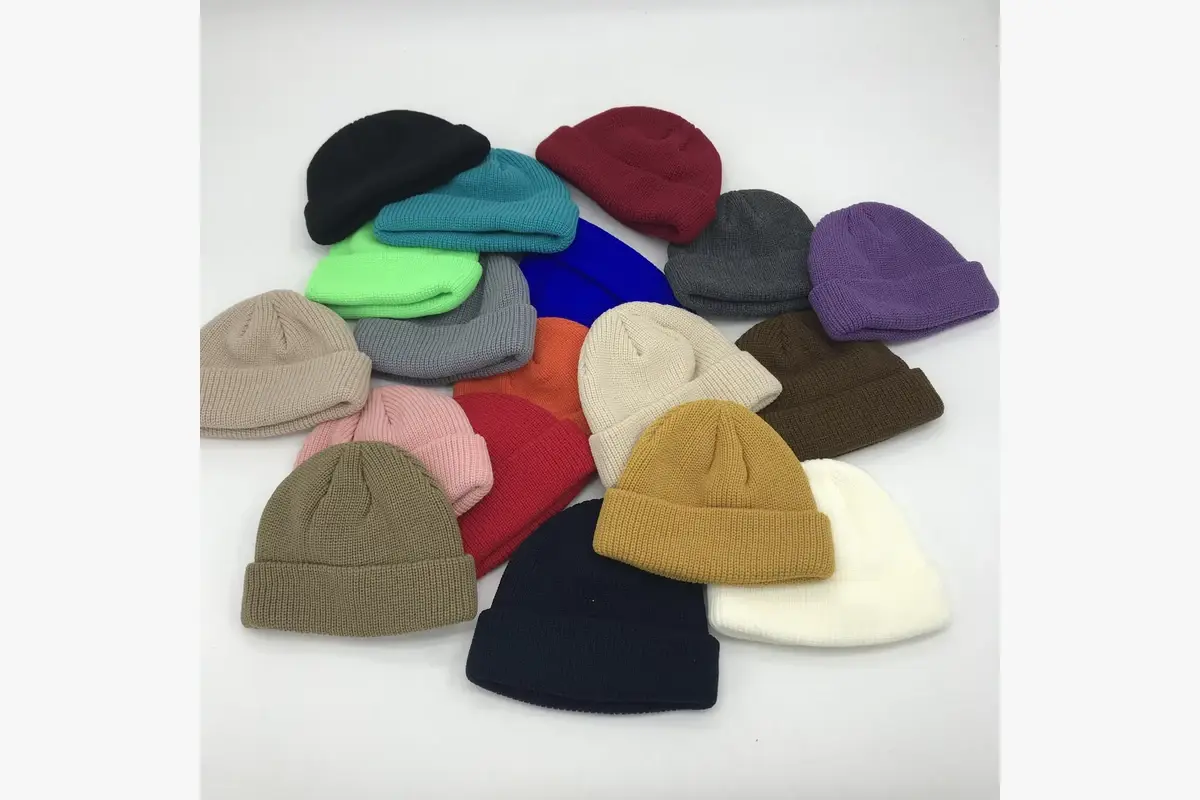
Start with the hat you want to sell. Decide which details matter most, then compare the cost of each part of its specification.
The yarn name is only part of the cost
Cost depends on both fiber composition and how much yarn the finished hat uses. Crown dimensions, cuff depth, knit structure and layers can all change material use.
A lighter sample isn't automatically an equivalent replacement for a heavier one. If a lower-cost version changes the feel, drape or coverage you liked, compare the physical samples before accepting it.
Logo preparation and application are separate questions
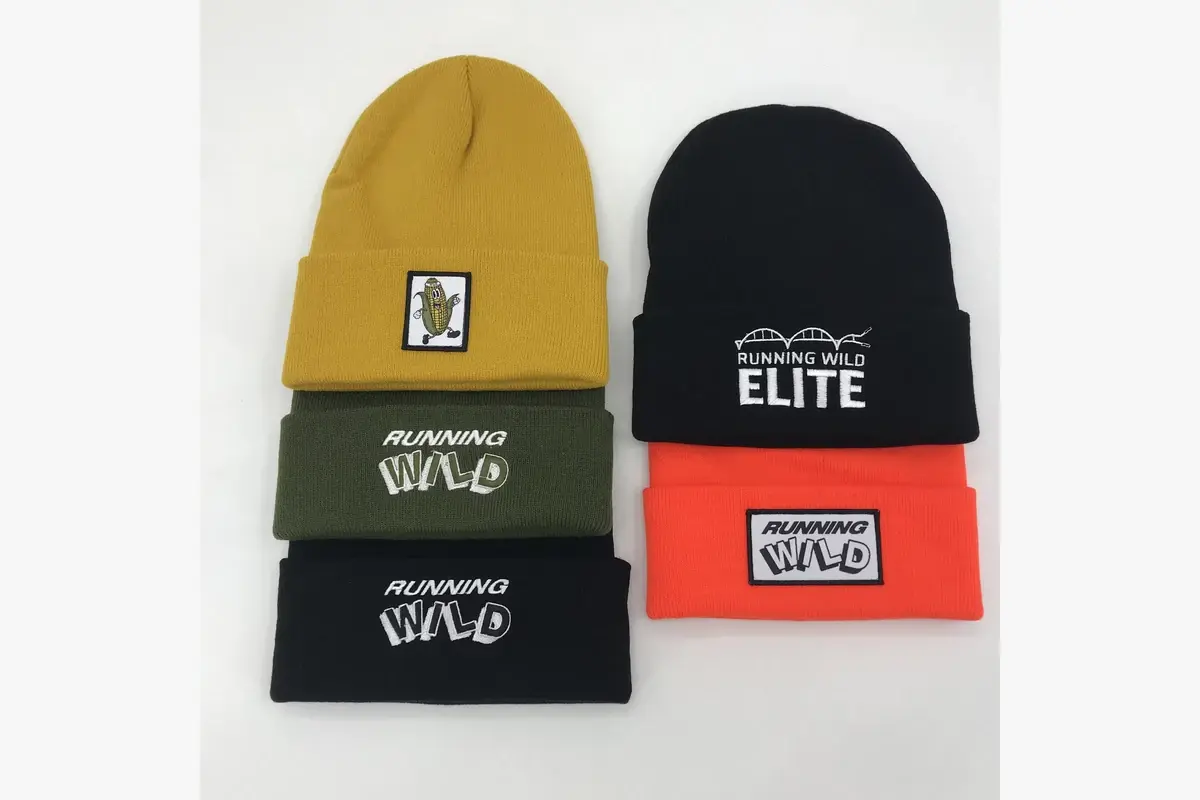
Embroidery, knitted-in artwork and patches require different preparation and production work. Logo size, detail and color arrangement matter too. Simplifying a logo may make it easier to reproduce, provided it still preserves the brand identity you need.
Ask which development or setup costs are separate from the per-piece charge.
What is included in the unit price?
WiseBeanie's customization overview describes the options to discuss alongside your design. Labels, hangtags, bags, boxes and carton requirements belong in the quote as well. A hat-only price won't tell you the cost of the finished order.
| Part of the quote | Question to ask |
|---|---|
| Yarn | Which composition and yarn reference are included? |
| Construction | Do dimensions, layers and cuff match the sample? |
| Logo | Are preparation and application both covered? |
| Packaging | What is included per hat and per carton? |
| Delivery | Where does the quoted service end? What remains payable? |
Transport, testing and other project charges may sit outside the unit price. Ask for those charges to be named so you know what the unit price excludes.
Separate the first-order bill from the cost of each hat
Use this model to compare quoted costs:
Order total within the quoted scope = quantity × per-piece price + separately charged development + separately charged packing, delivery and other agreed services.
This is a comparison tool, not a landed-cost calculation. Taxes, duties, insurance or services outside the quote must be identified separately where applicable. Don't add a charge twice if it's already included in the unit price.
For illustration only, suppose 200 hats are quoted at $6 each with $80 of separately charged development. The subtotal is $1,280, or $6.40 per hat before any other charges. These example figures are not WiseBeanie prices; the difference is the allocated development charge.
On a reorder, confirm which development charges still apply and ask for a current unit price.
Turn a vague saving request into a choice
“Make it cheaper” tells the factory little about what you value. Name the feature to protect and the alternatives you're willing to review.
For a branded staple, you might keep the approved fit and logo readability while comparing packaging options. For a texture-led style, you might protect the knit and ask whether an available yarn color would change the quote. Choose alternatives that preserve the design's main selling point.
Request the proposed change, saving and sample implications together. If a different yarn is offered, ask whether it also changes the care information, weight or appearance that customers will receive. If a smaller logo is offered, review it at the new size rather than approving the saving alone.
Watch for costs created by an incomplete decision
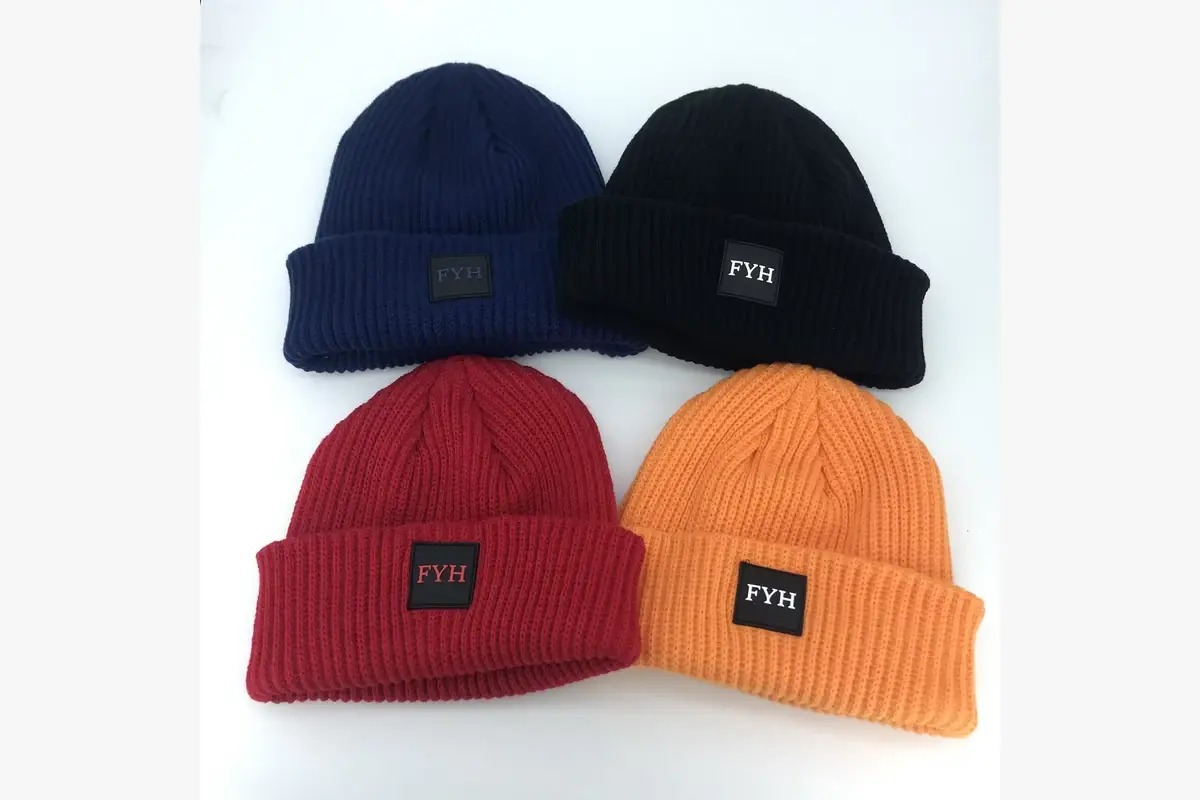
A quote may no longer match the project if the artwork or specification changes. Before commissioning the sample, identify which parts are final and which may need another round of work. Ask how a requested change would affect the charges and timing before authorizing it.
Record accepted alternatives and link each accepted price to its specification revision.
Change one thing at a time where possible. If material, dimensions, decoration and packaging all change together, it's hard to see what produced the saving or whether the result still suits your customers.
Share your reference and requirements with WiseBeanie to price those alternatives. The confirmed price will depend on the actual design, quantity and order conditions.
Related Guides and Factory Options
- How to Compare Beanie Manufacturer Quotes
- Review custom production options
- How Sampling and Production Work
Share a reference and the details you want to compare. We can quote the agreed alternatives and identify which costs are included.
Request a Custom Quote