
What to put in the first email
This example shows the level of detail that helps:
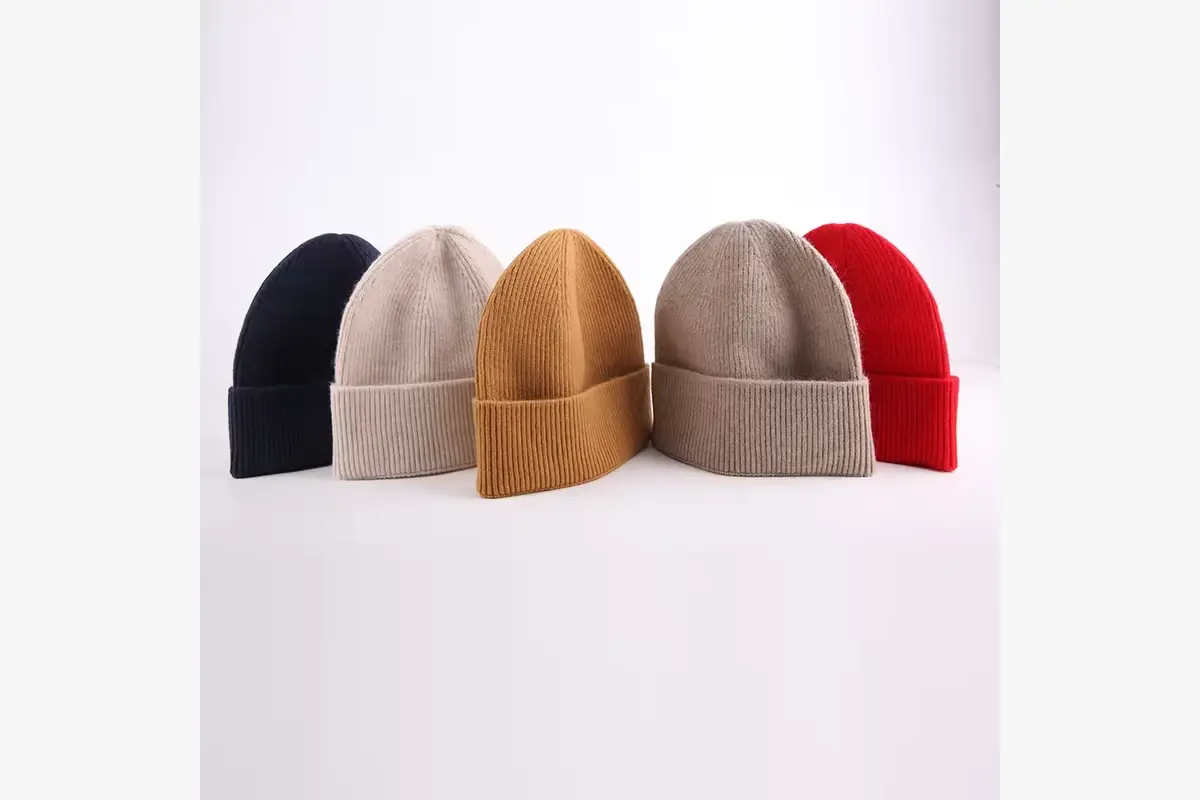
We are developing a cuffed beanie for our retail collection. Our first order is approximately 300 pieces across three colors. We've attached a style reference and our logo. We'd like help choosing the yarn and confirming the fit. We need delivery to our warehouse before our launch. What else do you need for a detailed quotation and sample?
Adapt this example with your actual destination and deadline.
Include the intended use, too. A retail collection, a staff uniform and a seasonal promotion may need different labels, packaging and delivery arrangements, even when the hats look similar. You can ask for advice before choosing every manufacturing detail.
Make the quantity easy to price
“One cuffed style, 100 each in black, navy and gray” is easier to price than “300 beanies.” List adult and child quantities separately if you need both.
WiseBeanie's standard minimum is 50 pieces per style and color. Special yarns, colors, logo methods and packaging can change the minimum and quotation, so the final breakdown still needs confirmation.
For the rest of the brief, send what you already have:
| Item | Useful information |
|---|---|
| Shape and fit | Reference images, a sample or preferred measurements |
| Material | Known composition or a description of the feel you want |
| Color | Physical reference or full color-system reference, if available |
| Branding | Logo file or image, approximate size and position |
| Labels and packaging | Existing artwork, retail requirements or a request for options |
| Delivery | Destination, required arrival date and any event deadline |
Mark anything undecided. If you want to compare two yarns, say so. Otherwise, a supplier may quote a different material, making its price look lower.
When the design is still undecided
You can ask for help without asking the factory to guess every part of the product. Separate the brief into three groups: details that must stay, options you want priced, and decisions you need advice on.
For example, you might need a folded cuff and your existing woven label, but be open to the yarn. Write that directly: “Keep the silhouette and label placement shown in the reference. Please propose two yarn options and identify their compositions. We have not approved either material.” This keeps the comparison focused on yarn while preserving the fit and branding.
If budget is a constraint, describe what it needs to include. A target for the finished hat is different from a target that includes individual packing and delivery. You don't need to invent a target price if you don't have one. Ask the supplier to identify the major cost choices instead.
Make attachments useful to the person preparing the quote
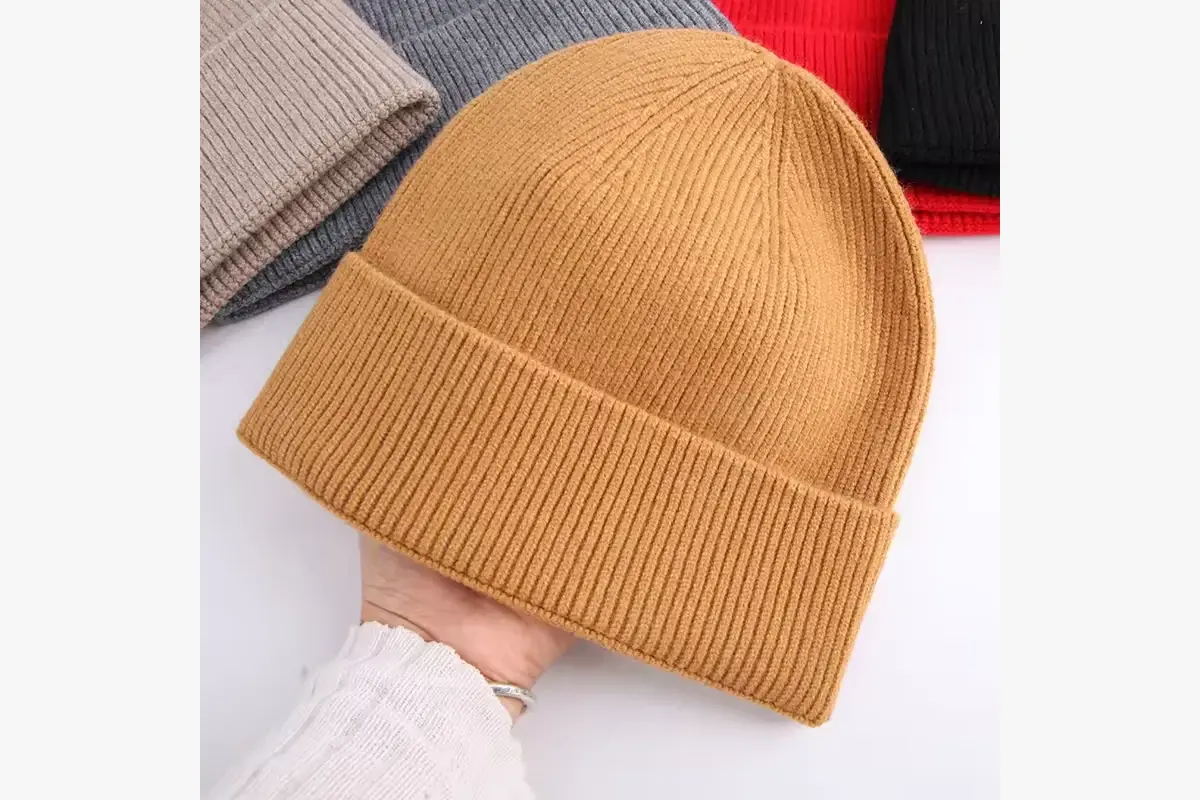
Name a reference image by its purpose, such as “shape reference” or “logo placement.” If several photographs show different hats, mark which feature to take from each. Otherwise the supplier may reasonably assume the first image controls the entire design.
A short note can clarify the references:
- The front photo shows the crown and cuff we want.
- The close-up shows our preferred texture, not the color.
- The logo file is current; the position in the photo is only a reference.
- The packaging is undecided and should be quoted separately.
Adapt the attachment notes to your own references.
What a useful first reply should clarify
The reply should show the supplier's assumptions, open questions and next steps. If the reply contains only a price, ask which material and decoration it covers. If a requested detail is undecided, explain the choice you need help making.
Keep the questions in the same message thread or brief revision. When the yarn or packaging is agreed later, request an updated quotation because the earlier price may no longer apply.
Before you pay for a sample
An initial estimate may contain assumptions. A detailed quotation should identify the material, dimensions, branding, labels and packaging it covers. Check whether sample fees, freight and other project costs are included or charged separately. Later changes may affect both price and timing.
You can send WiseBeanie the details you have and point out the gaps. Settle those decisions in writing before confirming the final quotation and sample order.
Related Guides and Factory Options
- Custom Beanie MOQ: Plan by Style and Color
- Review custom production options
- How Sampling and Production Work
Send your reference photo, logo and estimated quantity. Tell us what should stay, what should change and when the beanies need to arrive.
Discuss Your Beanie Design