
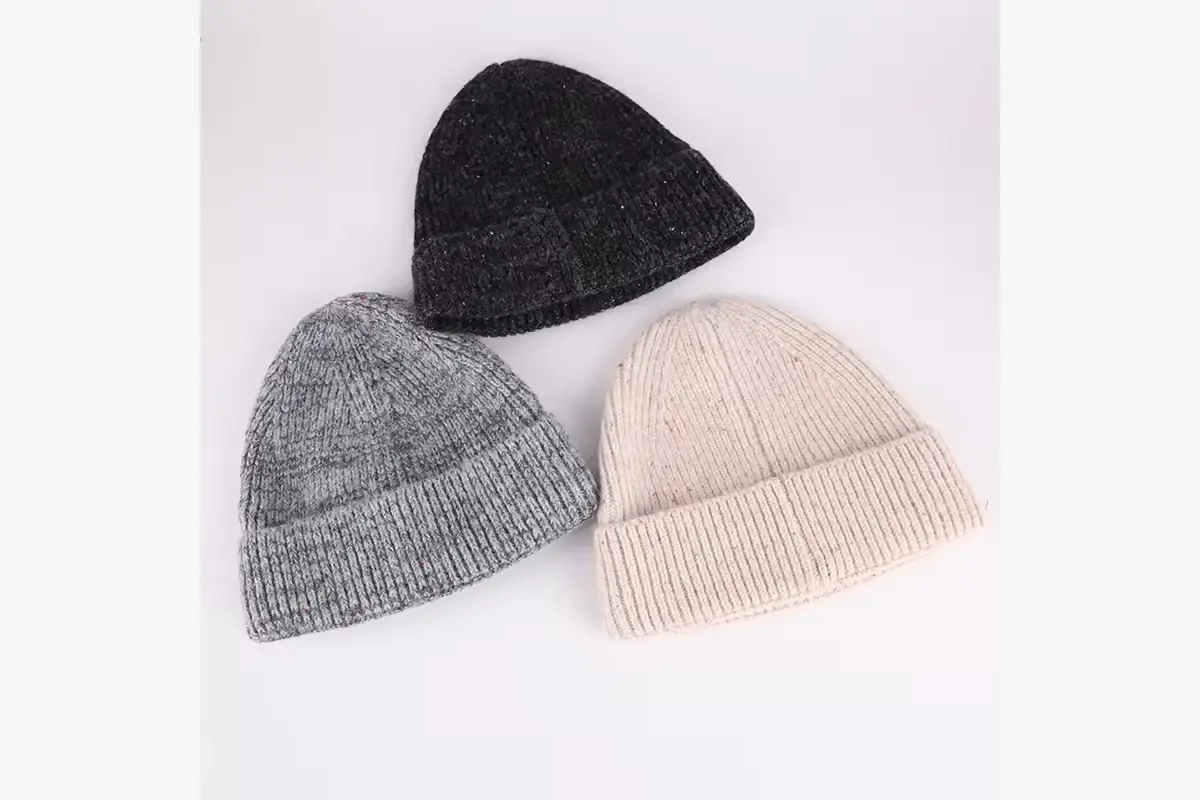
Send the previous order reference with the specification for the product actually supplied. Identify any changes so the factory can distinguish a repeat from a revision.
Find the final record
Check dimensions, composition, label text, logo position and packing arrangement against the finished order. Early artwork and sample notes may describe details that were replaced before production.
Keep a physical reference where practical, labeled with the style, order and approval information. Store it away from unnecessary handling or exposure so it remains useful for comparison.
For the new order, set out what stays and what changes:
| Item | Reorder instruction |
|---|---|
| Style and fit | Existing construction and dimensions, or a named revision |
| Material | Current yarn proposal against the previous specification |
| Color | Approved reference and method for reviewing the new batch |
| Artwork | Exact production versions, including labels and packaging |
| Quantity | Pieces by style, color and size |
| Delivery | Current destination, arrival requirement and transport scope |
Treat a new color or size as a development item. Don't bury it in an instruction to repeat everything.
Check that the same materials are still available
Ask about the previous yarn, trims and packaging. If a substitute is proposed, request the differences and decide whether you need another sample.
A similar color name or composition doesn't guarantee an identical appearance. Compare the proposed material with the agreed reference, especially if the new delivery will sit alongside existing stock.
Address any problem from the previous shipment. Describe any fit, label or packing issue with evidence and a requested change, then update the specification before release. A correction left only in an old complaint email is easy to miss. Keep details you want to retain precise; a vague description can change them.
Send a change log with the reorder
Begin the reorder brief with the previous order reference, the current specification revision and a short list of differences. Mark the details intended to remain unchanged as well as the ones being revised.
| Detail | Reorder instruction example |
|---|---|
| Hat construction | Repeat the identified approved version |
| Quantity | Use the attached new color and size breakdown |
| Label | Replace the previous artwork with the named revision |
| Packaging | Confirm whether the previous arrangement remains available |
| Open issue | Review the proposed material before production release |
Replace these examples with actual decisions and references. Mark undecided fields explicitly.
Attach the final files instead of asking the supplier to search old messages. If you are unsure which version was used, ask the supplier to identify the production reference before marking the reorder as identical.
Review continuity against the stock you will sell
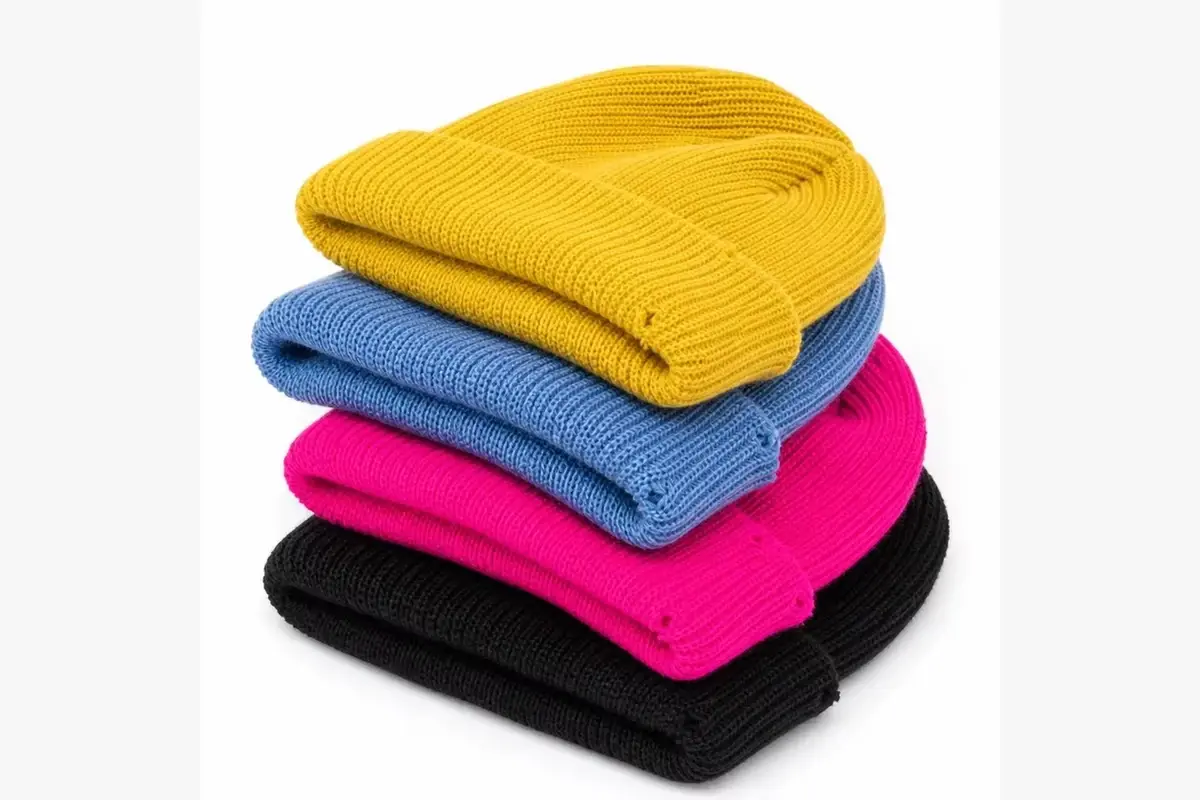
Tell the supplier if new and old stock will appear together. Compare the proposed sample or material with the retained approved reference, and distinguish that reference from a worn or washed customer return.
If the new proposal differs, record the difference before deciding whether it is acceptable. A slight change in appearance may matter to a matching range even when the new sample is otherwise satisfactory. Record any accepted difference before production.
Where the original material is unavailable, ask which product details the replacement affects. Revisit relevant composition information, care instructions, appearance and fit instead of treating the replacement as identical because its supplier description sounds similar.
Check leftover components before relying on them
If labels, patches or packaging were retained under an earlier agreement, confirm the available quantity, identity and condition. Check the artwork version against the new order. Stored components with old wording may no longer be suitable even if enough pieces remain.
Do not assume storage or reuse is included when it was never agreed. If the supplier proposes using a component balance, put the quantity and any new procurement requirement into the quotation so the cost and scope are clear.
Save the newly approved specification as a separate order version, even when only a label or material detail has changed.
Reconfirm the terms for this order
Old prices and dates are references, not automatic terms. Confirm the new quantity, material costs, development needs, payment arrangements and production schedule in writing.
WiseBeanie's order process still requires appropriate order acceptance, written sample and final-specification approval, and a deposit before bulk production. Agree what approval evidence or new sample is needed for the repeat style rather than assuming approval no longer matters.
Send the previous order number and current requirements together with those final records. Include the final artwork and component records.
Related Guides and Factory Options
Send the previous order reference, final specifications and your new quantity breakdown. List any changes so we can review availability and the approval needed for this order.
Discuss Your Repeat Order