
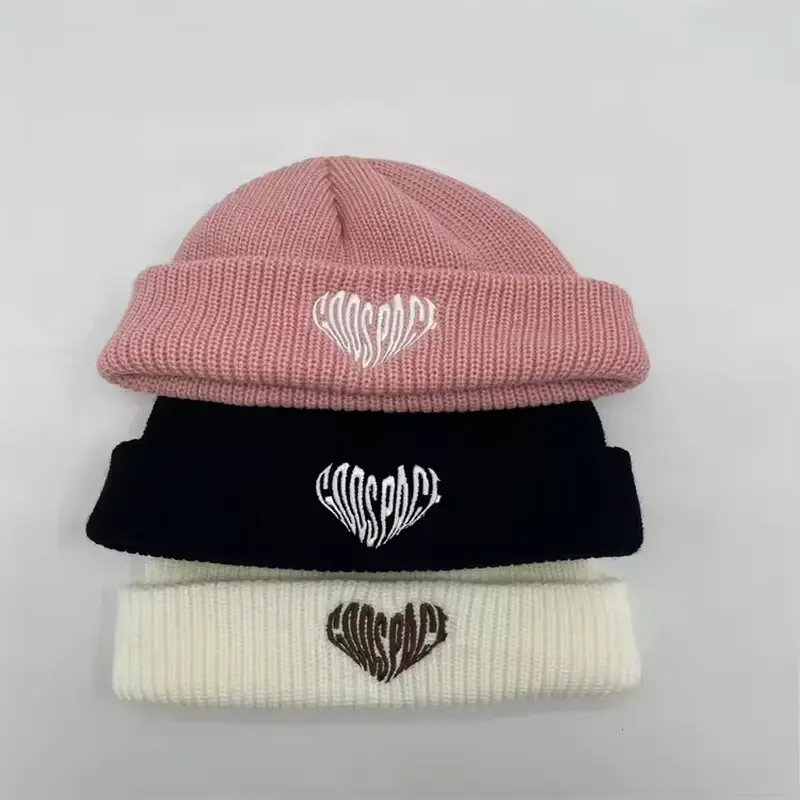
Custom Patch Fisherman Beanies
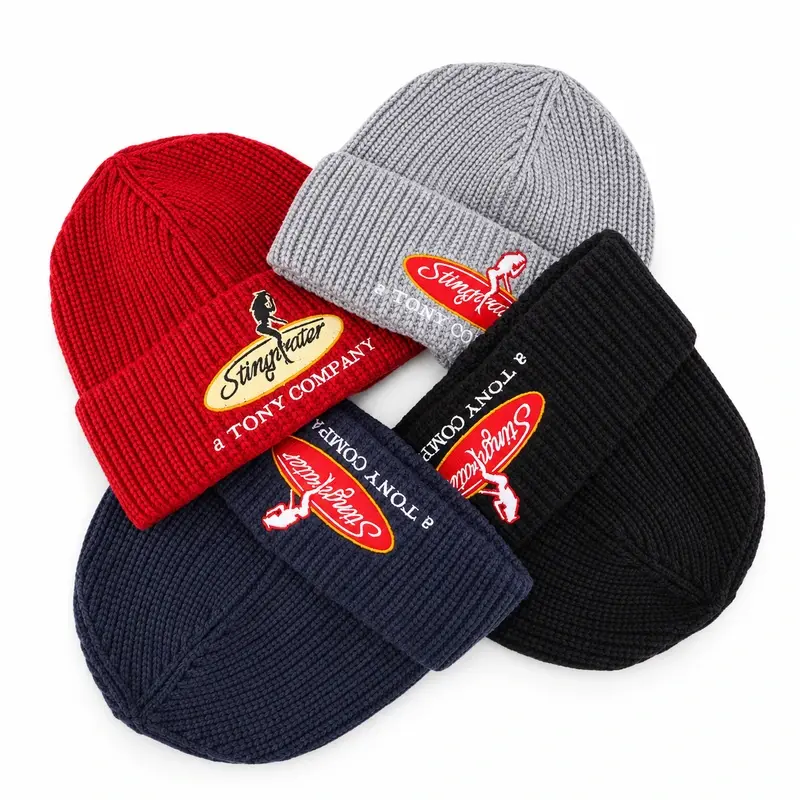
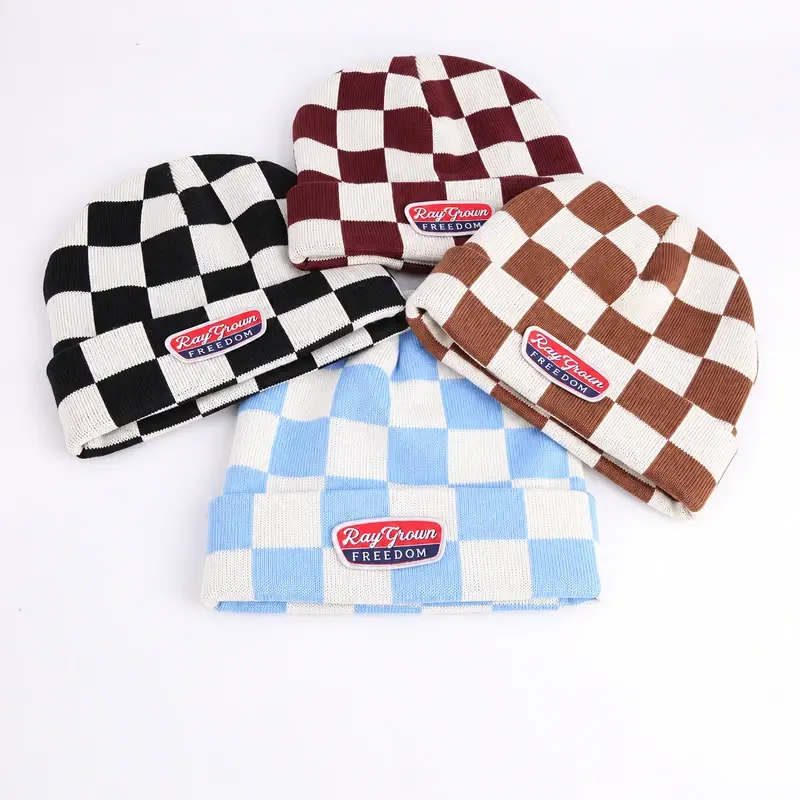
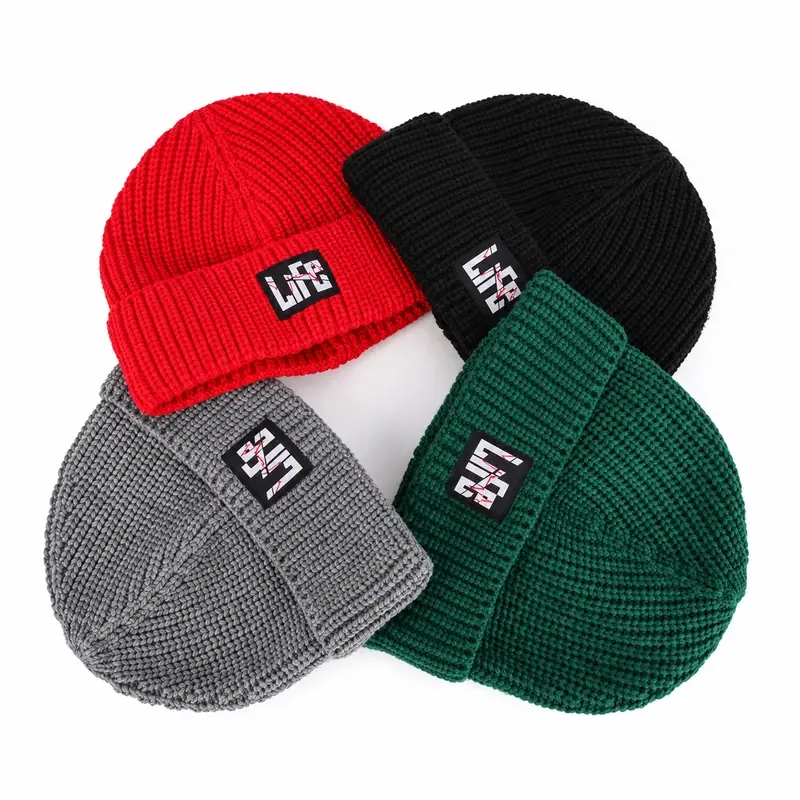
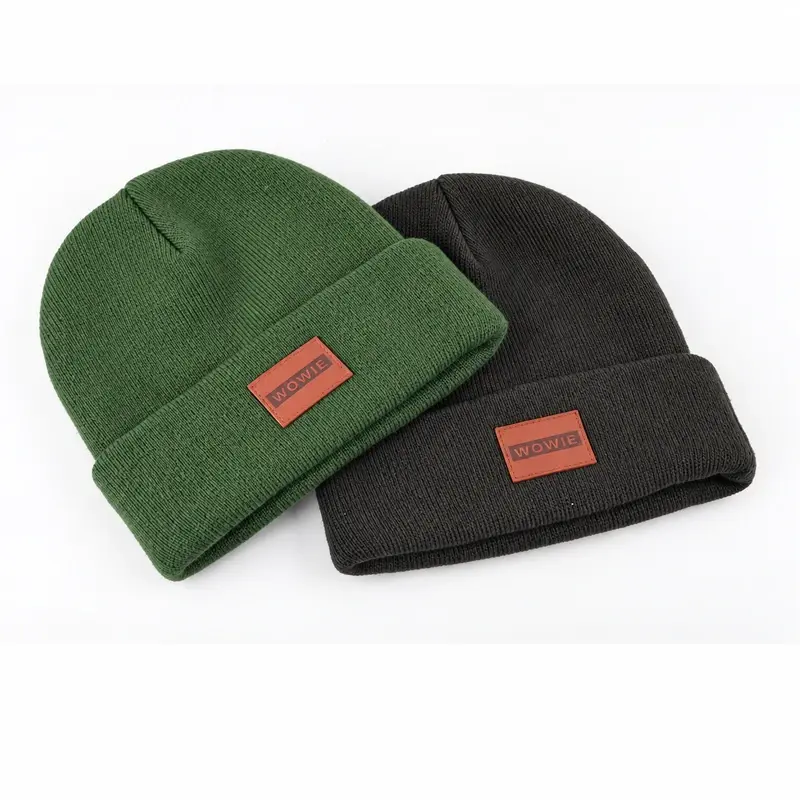
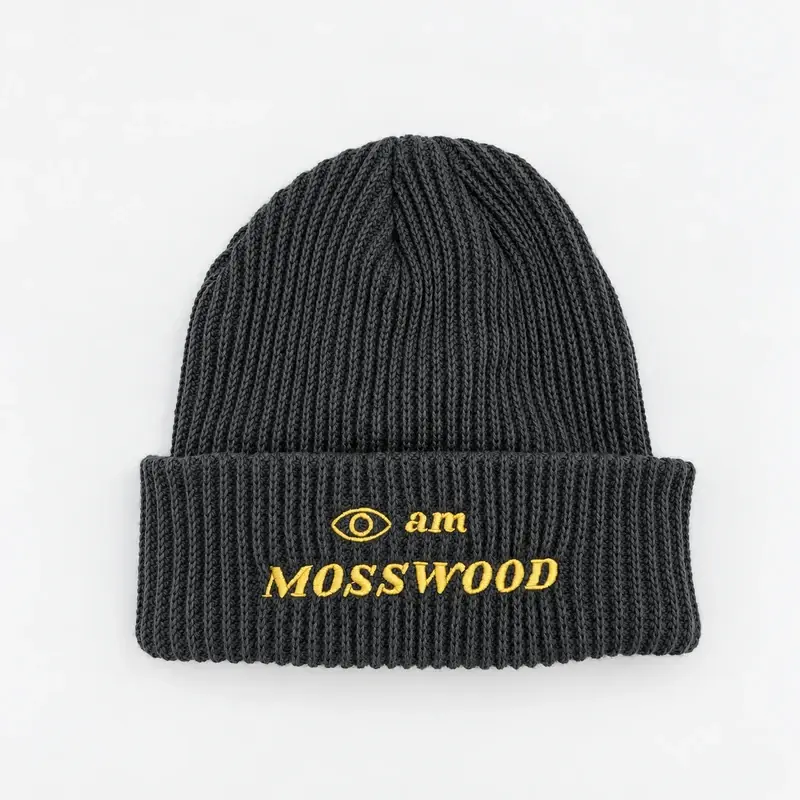
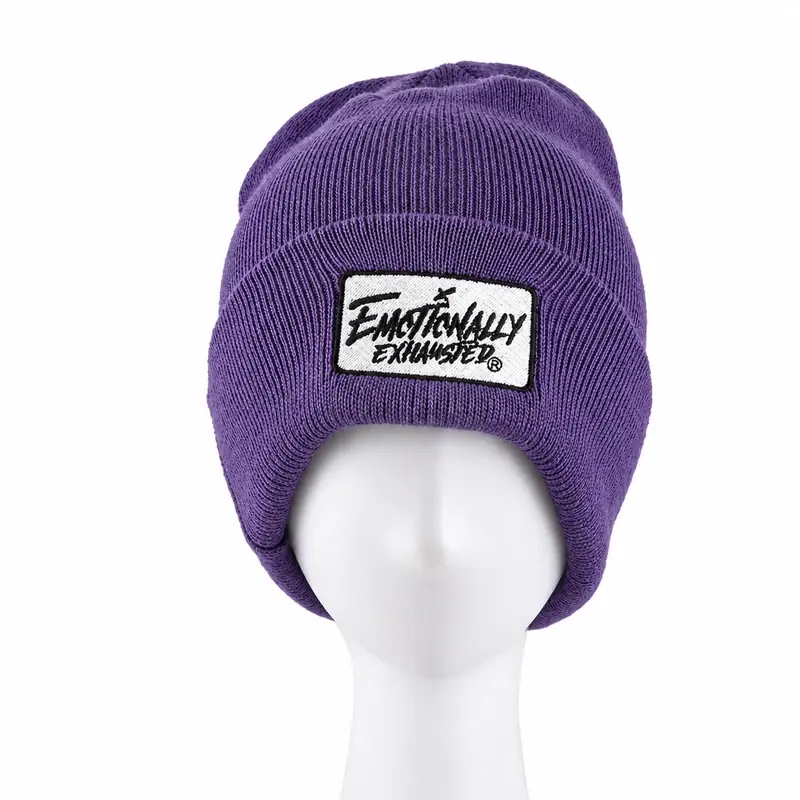
Custom fisherman beanies with a woven label or leather patch. Our factory develops the short fit, patch dimensions and attachment around your brand artwork.
- Patch: Woven label or leather patch; size, colors and position approved by sample
- Material: Acrylic, cotton, wool blend, recycled polyester, organic cotton or recycled acrylic
- Size: Adult, child, infant or custom finished measurements
- Beanie Color: Pantone reference or physical swatch; solid, stripe, color-block or jacquard layout
- Packaging: PE bag, kraft paper bag, custom box or degradable bag
MOQ and timing may change with the patch, yarn, color, quantity, revisions and production schedule.
Send Product Requirements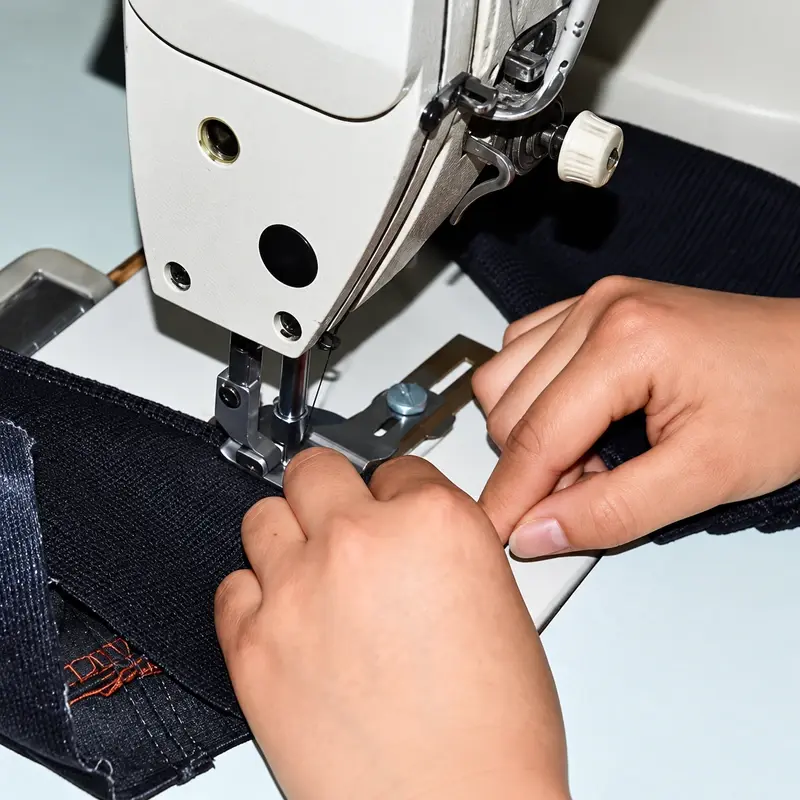
The Patch and Cuff Developed Together
We knit the short beanie and position the patch on the finished cuff. Approve patch material, artwork, size and attachment with the worn fit before bulk production.
Customize Your Patch Fisherman Beanie
Choose the patch material and size, then check its attachment on the short folded cuff.
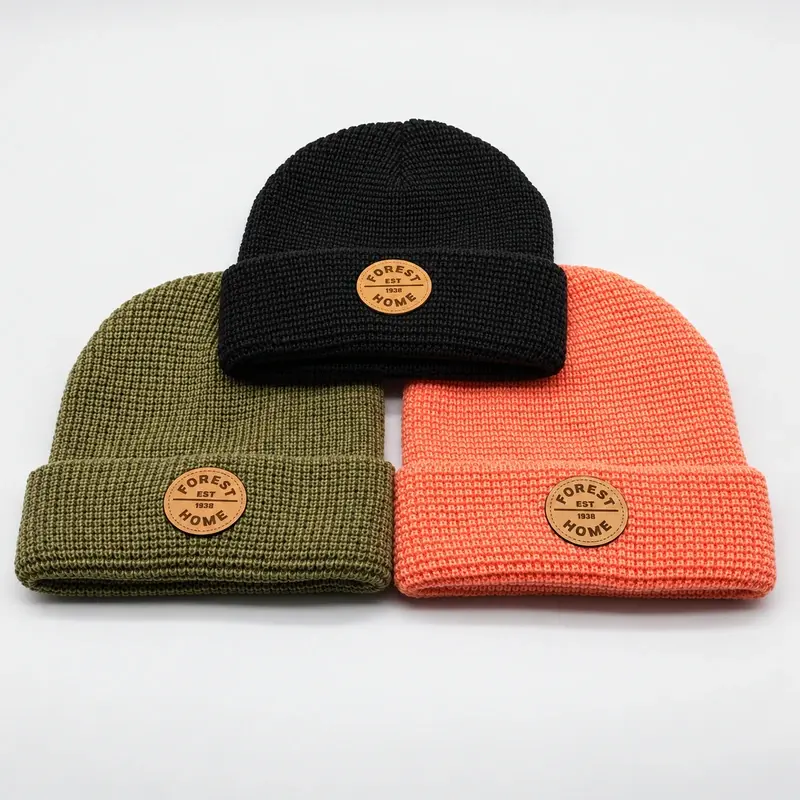
Woven Label or Leather Patch
Choose a woven label or leather patch, then define the material, dimensions, colors and artwork. Confirm the finished edges on the sample.
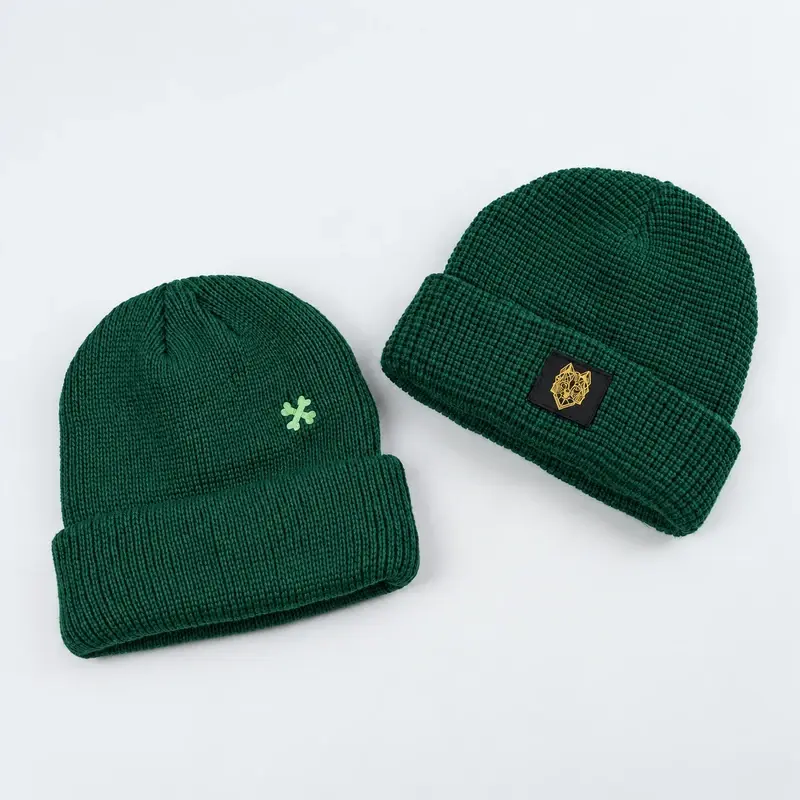
Patch Position and Attachment
Position the patch from the cuff fold and agreed reference points. Review orientation and attachment on the final knitted surface.
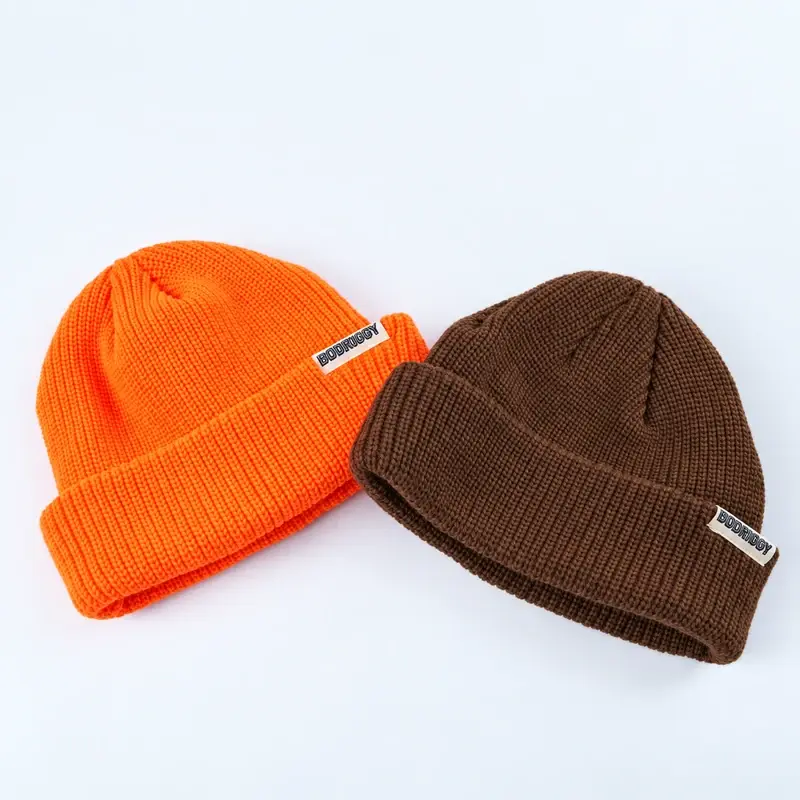
Cuff Height and Fit
Set cuff height and short-crown proportions to support the patch size. Approve the complete silhouette with the patch attached.
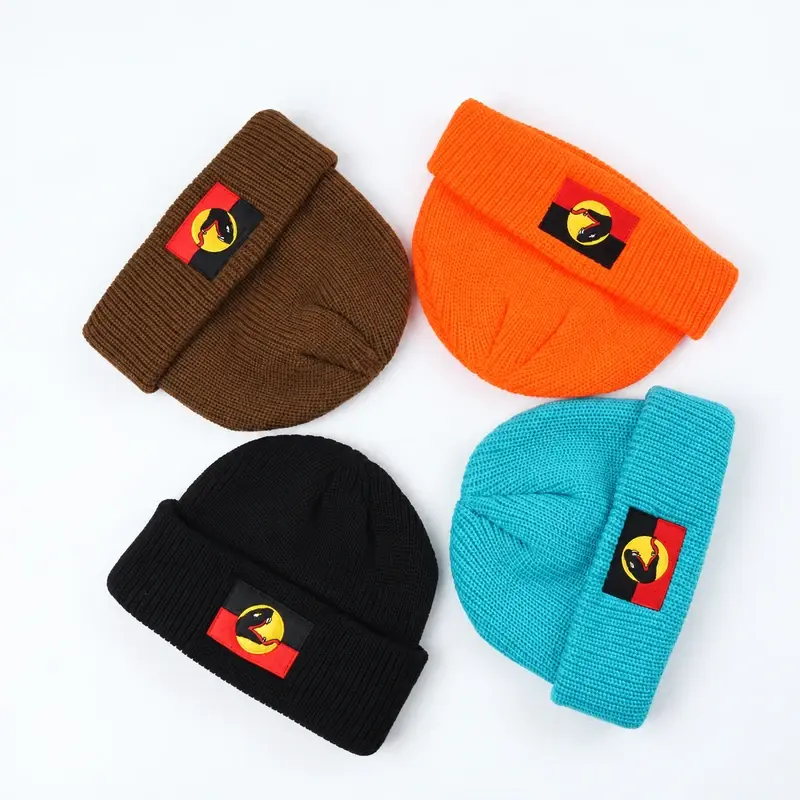
Choose the Patch Type
Choose a woven label or leather patch by the finish you need. Confirm material, artwork, size, edges, placement and attachment before production.
- Woven Label
For detailed brand marks, lettering and multicolor graphics. Confirm the finished dimensions, colors, edge, placement and attachment details through the sample. - Leather Patch
Confirm the leather patch material, artwork, color, dimensions and attachment before sampling.
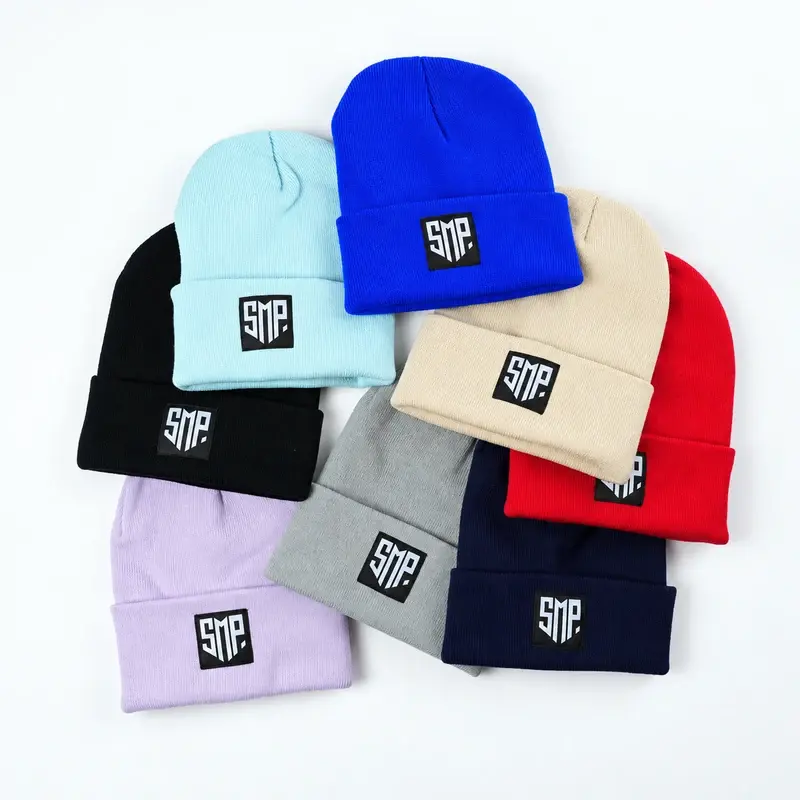
Prepare the Patch Artwork
Send source artwork with final patch dimensions and color references. Mark the top direction so it reads correctly when the cuff is folded.
- Source Artwork
Send the original vector file if available, or a raster file clear enough to assess small details. - Finished Patch Size
State the final width and height to control readability and proportion on a short cuff; do not rely on the artwork canvas or screen scale. - Patch Colors
Provide color references for each area to match the patch to the hat and brand palette. Approve the actual combination on the sample. - Reading Direction
Mark the top direction and intended viewing position on the finished beanie so artwork faces correctly when the cuff is folded.
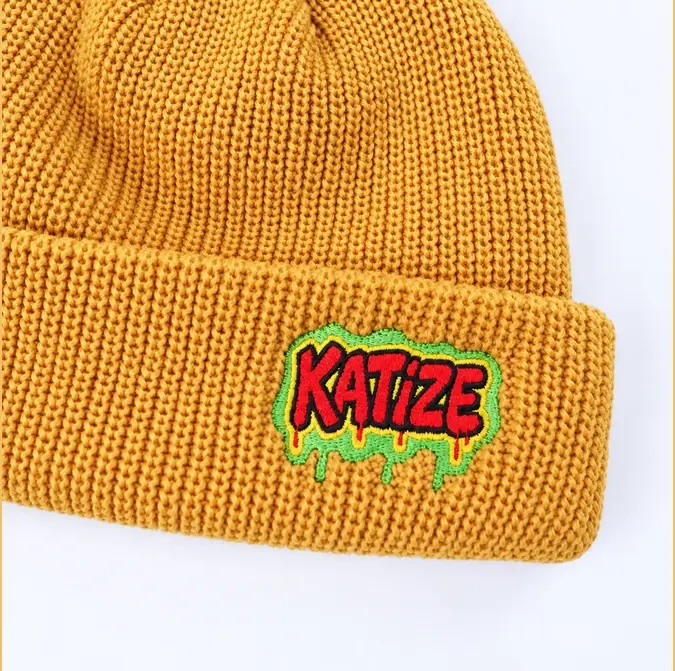
Measure Patch Position on the Cuff
Measure the patch on the finished cuff from fixed reference points. Record horizontal alignment, edge distance and worn orientation.
- Horizontal Position
To center or offset the patch across the visible cuff, measure from a clear seam, center line or approved reference and record the method. - Vertical Position
State the distance between the patch and edge on the finished folded cuff; the visible area changes with cuff height. - Cuff-Fold Reference
Confirm the folded cuff height before measuring the patch position. - Worn Orientation
Review patches that must stay level and readable on a sample with the intended fit; knit stretch can change their visual position.
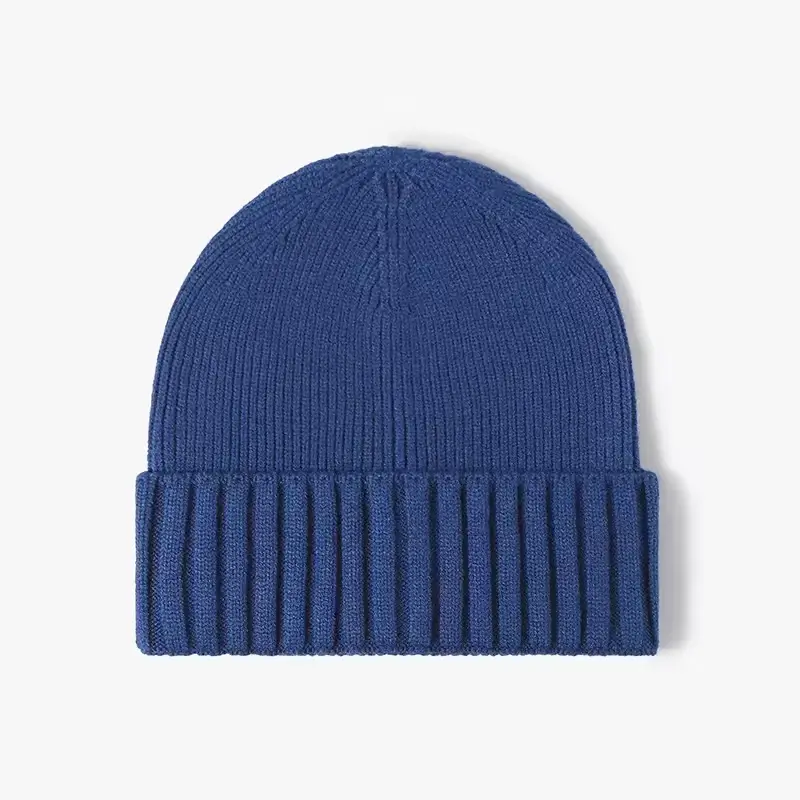
Confirm the Fisherman Fit Before Patch Approval
Confirm the crown, opening, cuff height and ear coverage before approving patch proportions. Review the fit for the actual wearer group.
- Finished Crown Height
Give the finished crown height to set the short fisherman profile above the cuff. Approve it with the selected yarn and knit structure. - Flat Opening Width
Provide the flat measurement or an approved fit sample to control head fit and stretch; confirm it on the product sample. - Finished Cuff Height
State the folded height to define the visible cuff and available patch area before approving patch size and position. - Age and Wearing Position
For adult, child or infant programs with different fit targets, identify the age group and whether the edge should sit above, on or near the ears.
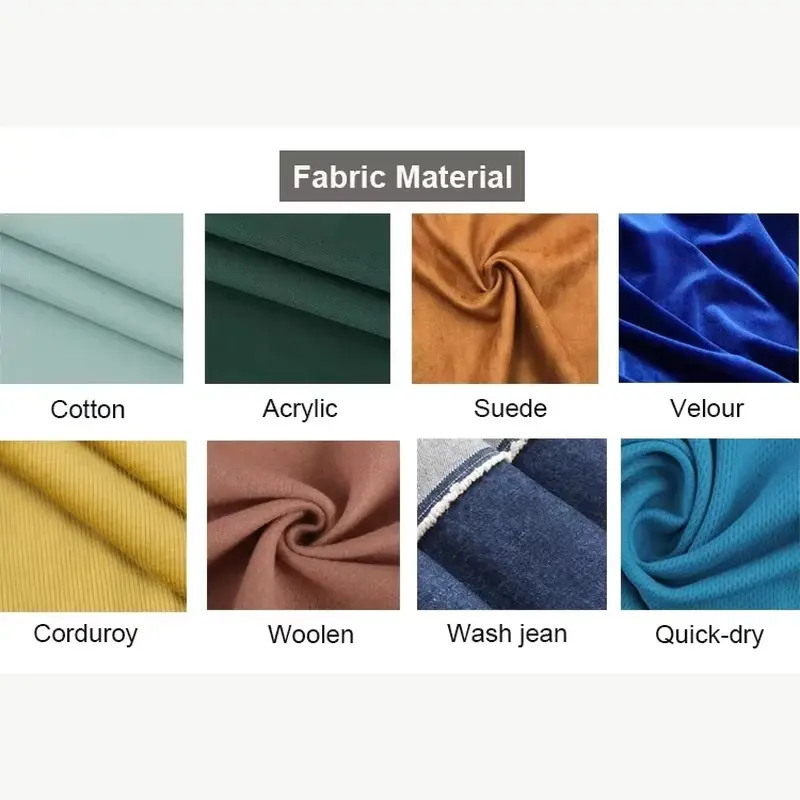
Choose Yarn Before Patch Approval
Yarn and knit affect stretch and patch position. Approve the material, beanie color, attachment and finished fit on the same beanie sample.
- Acrylic
Confirm yarn count, hat color, hand feel and patch appearance through the project sample. - Cotton
Confirm the selected cotton yarn, weight, stretch and patch result, which will differ from acrylic. - Wool Blend
Confirm the blend composition, hand feel, care information and patch result before production. - Recycled Polyester
Confirm the exact yarn, available color and supporting material documents for the order. - Organic Cotton
Confirm yarn availability, color, documents and project conditions before fixing the sample schedule. - Recycled Acrylic
Confirm yarn availability, color, documents and patch appearance before bulk production.
Compare Related Beanie Styles
For alternatives to patches, see ribbed, waffle, embroidered and standard cuffed constructions.
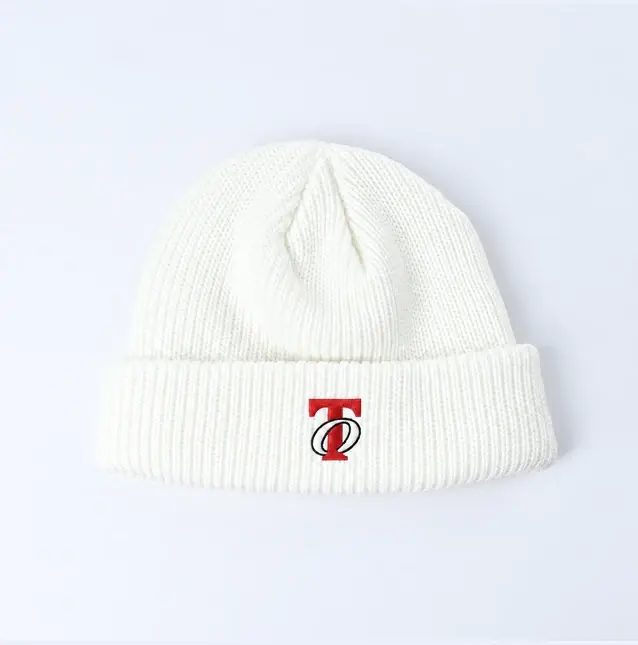
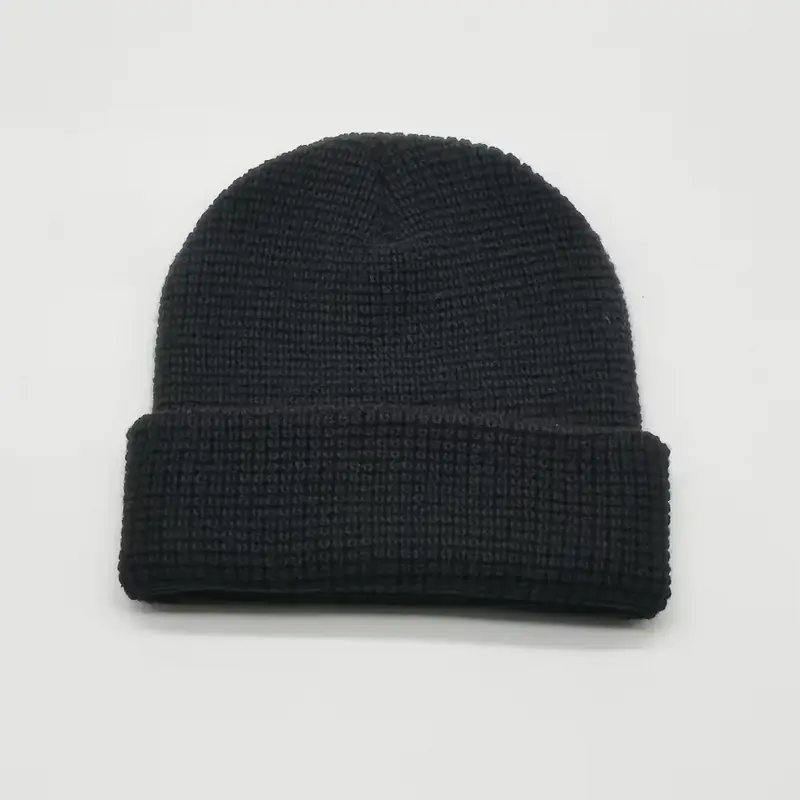
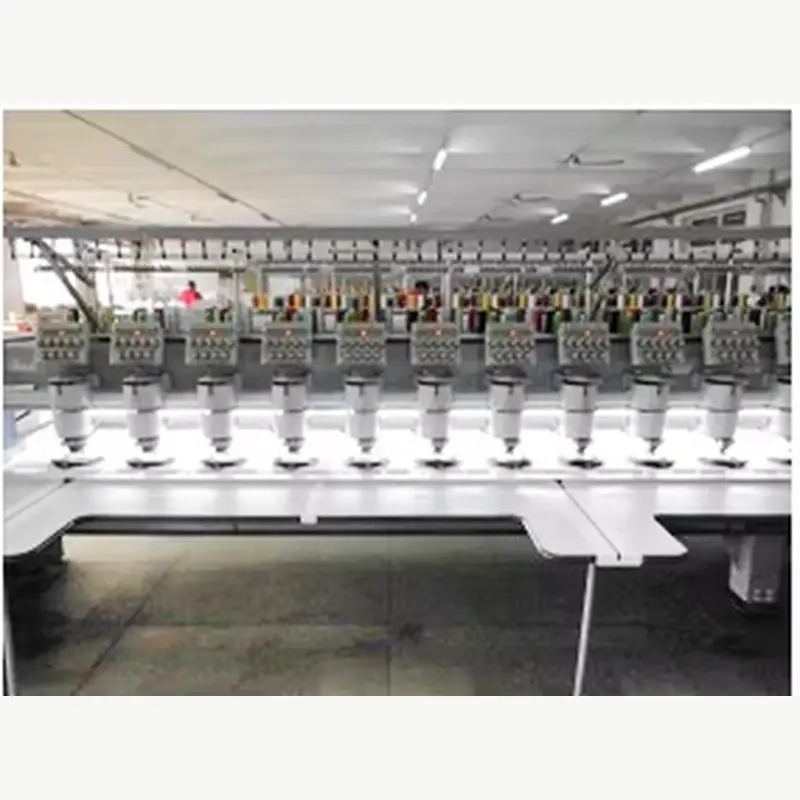
How We Make Your Patch Fisherman Beanie
Our factory knits and sews the hat, attaches the approved patch, finishes and packs the order. Material, in-process and final checks cover dimensions, cuff shape, patch artwork, orientation, attachment, labels and packaging.
Start Your Patch Fisherman Beanie Order
Send your patch artwork, material, final size, cuff placement and short-fit measurements. Include colors, quantity per style and color, labels, packaging, destination and required arrival date. We will review feasibility, sampling and the production schedule for your quote.
Discuss Your DesignPatch Fisherman Beanie FAQs
Answers about patch design, sampling and orders for this style.